
Taming the Devil’s Claw: A Guide to Propagating Proboscidea Althaeifolia
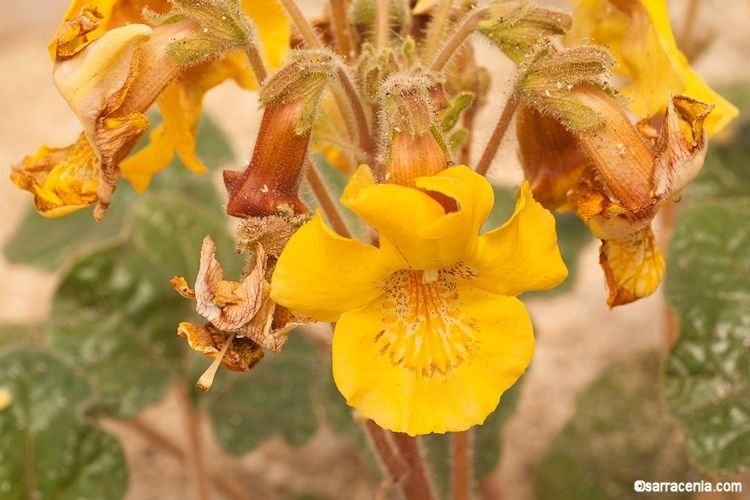
Proboscidea althaeifolia, more commonly known as the Devil’s Claw, is a fascinating plant with an intriguing name and unique seed pods. Native to the southwestern United States, this sprawling annual is admired for its large, velvety leaves, trumpet-shaped blooms, and, of course, the iconic claw-like seed pods that give it its common name. While many might shy away from its intimidating moniker, propagating Devil’s Claw is surprisingly straightforward and rewarding. So, if you’re looking to add a touch of the Southwest’s curious beauty to your garden, read on!
Understanding the Devil’s Claw Lifecycle:
Devil’s Claw is an annual plant, meaning it completes its life cycle within a single growing season. It emerges from seed in spring, flowers in summer, produces its fascinating seed pods in late summer to fall, then dies back with the first frost. Understanding this lifecycle is key to successful propagation.
Methods of Propagation:
Seeds: The most common and reliable way to propagate Devil’s Claw is through its seeds. Here’s how:
- Collection: Harvest mature seed pods in the fall. They will be brown and dry. Be careful as the pods are covered in tiny, stiff hairs that can irritate the skin.
- Extraction: Carefully break open the pods to reveal the black, winged seeds inside.
- Storage: Store the seeds in a cool, dry place until you’re ready to plant.
- Sowing: Sow seeds directly outdoors after the last frost, or start them indoors 4-6 weeks before the last frost.
- Planting Depth: Plant seeds about ½ inch deep in well-draining soil.
- Spacing: Space seedlings or thin out direct-sown plants to be 2-3 feet apart.
- Cuttings: While less common, Devil’s Claw can be propagated from stem cuttings.
- Timing: Take cuttings in late spring or early summer from healthy, non-flowering stems.
- Cutting Preparation: Cut a 4-6 inch section of stem just below a leaf node. Remove the lower leaves.
- Rooting Hormone (Optional): Dip the cut end in rooting hormone to encourage root development.
- Planting: Plant the cutting in a pot filled with a well-draining potting mix.
- Environment: Place the pot in a warm, bright location but out of direct sunlight. Keep the soil consistently moist.
- Transplanting: Once the cutting has developed a good root system (usually within 4-6 weeks), it can be transplanted into the garden.
Tips for Success:
- Well-Draining Soil: Devil’s Claw thrives in loose, well-drained soil. Amend heavy clay soils with sand or compost to improve drainage.
- Sunlight Requirements: Choose a sunny location that receives at least 6 hours of direct sunlight daily.
- Water Wisely: While drought-tolerant once established, Devil’s Claw needs regular watering until the seedlings are established. After that, water deeply but infrequently.
- Fertilizer: Devil’s Claw is not a heavy feeder. Amending the soil with compost before planting is usually sufficient.
Final Thoughts:
Propagating Devil’s Claw, whether from seed or cuttings, is a relatively easy process. With a little patience and the right conditions, you can enjoy the unique beauty of this fascinating plant in your garden. Just be sure to handle those seed pods with care – they might look menacing, but the real reward lies in the journey of growth and the satisfaction of successfully cultivating the captivating Devil’s Claw.