
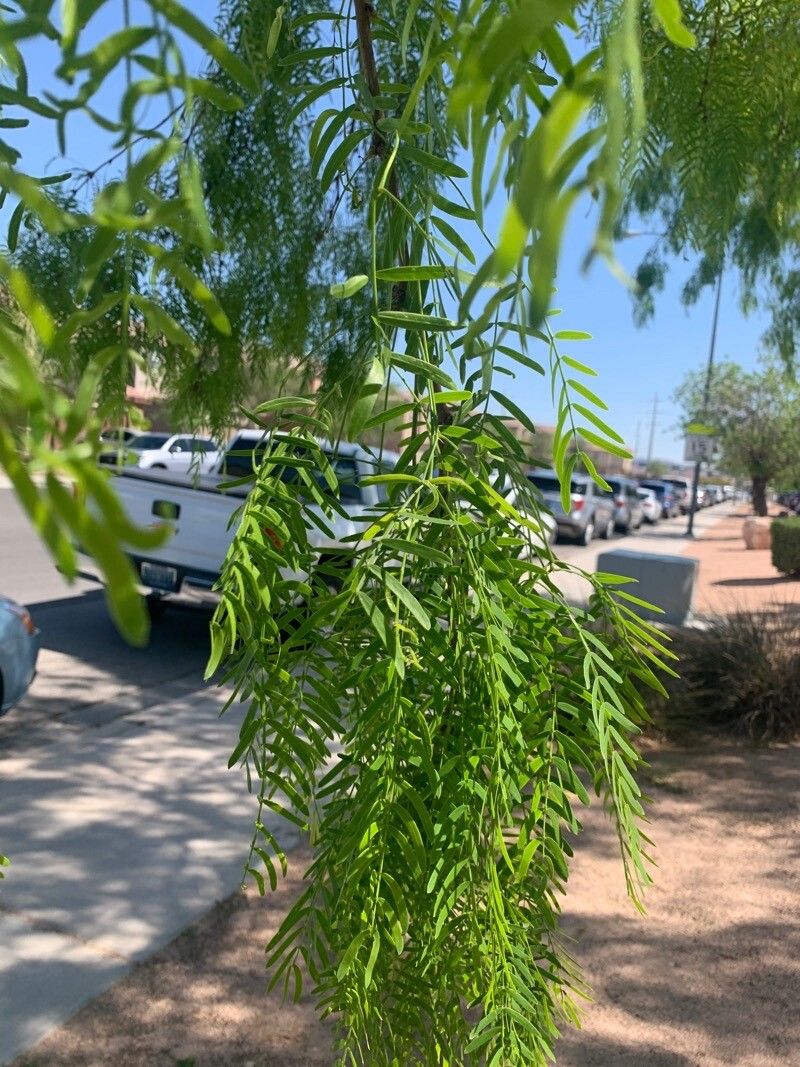
Taming the Tenacious Mesquite: A Guide to Propagating Prosopis Glandulosa
The honey mesquite, or Prosopis glandulosa, is a familiar sight in the American Southwest. With its gnarled branches, feathery leaves, and fragrant summer blooms, this tenacious tree embodies the spirit of resilience in arid landscapes. While often considered invasive, mesquite trees play a vital role in their ecosystems and offer numerous benefits – from nitrogen-fixing roots to edible seed pods.
If you’re intrigued by this desert survivor and wish to propagate your own mesquite, whether for landscaping purposes, wildlife habitat, or even to harvest the sweet pods, this guide will delve into the methods to successfully grow new trees.
Two Paths to Propagation:
The mesquite tree offers two primary methods of propagation:
Seed Propagation: This method, mirroring the natural process, is the most common and offers the satisfaction of nurturing a tree from its very beginning.
- Cutting Propagation: This technique, though less common, allows for faster establishment and ensures the genetic replica of the parent plant.
Seed Propagation: A Story of Scarification and Patience
Mesquite seeds are housed within tough, protective pods. These pods require a process called “scarification” to break their dormancy and allow for germination.
Steps for Seed Propagation:
- Seed Collection: Collect mature, brown seed pods during the late summer or fall.
- Pod Processing: Break open the pods and extract the small, brown seeds.
- Scarification: To scarify the seeds, you can:
- Nick or Sand: Use a nail clipper to nick the seed coat or gently rub it with sandpaper.
- Hot Water Treatment: Soak the seeds in hot (not boiling) water for 24 hours.
- Sowing: Plant the scarified seeds about ½ to 1 inch deep in well-draining potting mix.
- Watering: Keep the soil consistently moist, but not waterlogged.
- Patience: Germination may take several weeks to a few months.
- Transplanting: Once the seedlings are several inches tall, they can be transplanted to larger pots or directly into the ground.
Cutting Propagation: A Quicker Path to Establishment
Cutting propagation involves rooting a section of a mature, healthy mesquite tree.
Steps for Cutting Propagation:
- Timing: Take cuttings in the early morning during the spring or early summer.
- Cutting Selection: Choose a healthy, non-flowering branch that is about ¼ to ½ inch thick.
- Cutting Preparation: Make a clean cut below a node (where the leaf attaches) and remove the leaves from the lower two-thirds of the cutting.
- Rooting Hormone (Optional): Dip the cut end in rooting hormone to encourage root development.
- Planting: Plant the cutting in a well-draining potting mix, burying about one-third of its length.
- Humidity Dome: Cover the pot with a plastic bag or humidity dome to create a warm, moist environment.
- Rooting: Rooting can take several weeks. Once roots have developed, the cutting can be gradually acclimated to outdoor conditions and eventually transplanted.
A Final Thought:
Propagating your own mesquite tree, whether from seed or cutting, connects you to the resilient cycle of nature. With patience and care, you can cultivate a piece of the desert landscape and enjoy the beauty and benefits of this remarkable tree.