
Unlocking the Secrets to Propagating the Prismatic Beauty: Prosthechea prismatocarpa
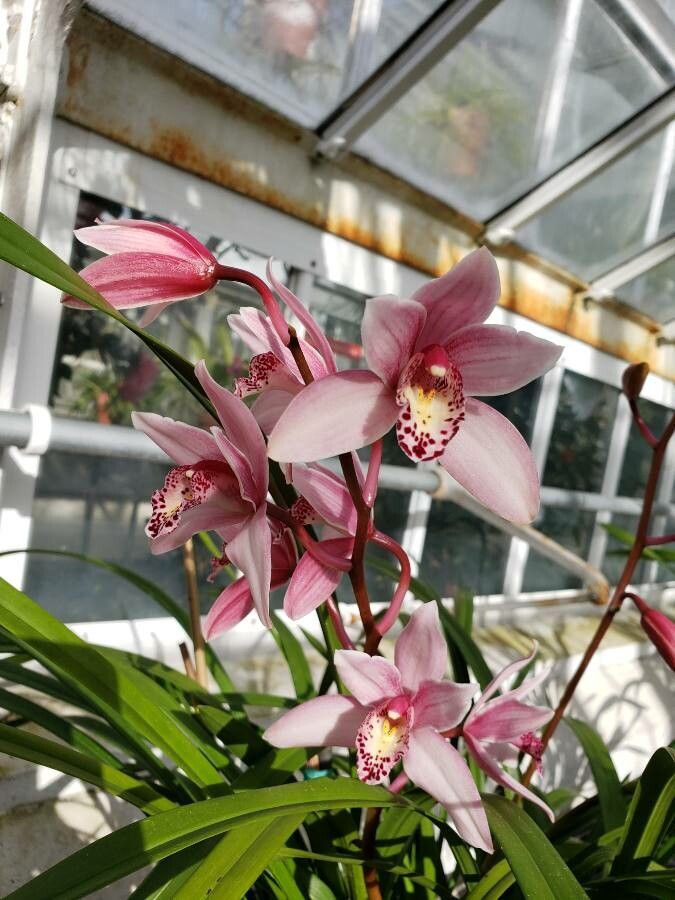
The Prosthechea prismatocarpa, with its vibrant, almost glowing flowers, is a showstopper in any orchid enthusiast’s collection. But did you know that propagating this beauty isn’t as daunting as it might seem? With a little patience and the right techniques, you can multiply your Prismatic delight and even share it with friends. Let’s delve into the world of Prosthechea prismatocarpa propagation!
Understanding the Basics:
Before we jump into the methods, it’s essential to understand how this orchid naturally reproduces. Prosthechea prismatocarpa can propagate through two primary ways:
- Division: This method involves carefully separating a mature plant with multiple growths (pseudobulbs) into smaller divisions, each capable of independent growth.
- Seed Propagation: While possible, growing orchids from seed is a lengthy and complex process often reserved for experienced growers or those with specialized equipment.
Division: The Beginner-Friendly Approach
For most hobbyists, division is the easiest and most successful way to propagate Prosthechea prismatocarpa. Here’s how to do it right:
1. Timing is Key: The optimal time for division is during the plant’s active growing season, typically in spring or early summer. Look for signs of new growth emerging.
2. The Right Tools: You’ll need a sterilized, sharp cutting tool (pruning shears or a knife), a pot with good drainage, and a suitable orchid potting mix (bark chips, perlite, and sphagnum moss are common components).
3. Dividing with Care:
- Carefully remove the plant from its pot and gently remove excess potting mix from the roots.
- Identify sections with at least 3-4 healthy pseudobulbs connected by a rhizome (the horizontal stem).
- Using your sterilized tool, make clean cuts to separate the divisions.
- Treat any cut surfaces with cinnamon or a fungicide to prevent infection.
4. Potting Your Divisions:
- Plant each division in a separate pot, ensuring the base of the pseudobulbs is level with the potting mix.
- Water sparingly until you see new growth, indicating the roots are establishing.
Seed Propagation: A Challenge for the Dedicated
Propagating Prosthechea prismatocarpa from seed requires specific knowledge and sterile conditions. Orchid seeds are incredibly tiny and lack the endosperm (food reserve) found in most other seeds. They require a symbiotic relationship with a specific fungus to germinate and grow.
While challenging, successful seed propagation offers the reward of potentially new and exciting variations in the offspring. This method is best undertaken by experienced growers with access to sterile environments, appropriate fungal cultures, and specialized knowledge.
Nurturing Your New Propagations:
Regardless of the method chosen, newly propagated Prosthechea prismatocarpa will need special care:
- Bright, Indirect Light: Mimic the dappled light conditions of their natural habitat.
- Humidity: Aim for 50-70% humidity, which can be achieved by using a humidity tray or grouping plants together.
- Watering: Avoid overwatering! Water thoroughly when the potting mix approaches dryness.
- Fertilizer: Use a balanced, diluted orchid fertilizer during periods of active growth.
A Rewarding Endeavor:
Propagating your Prosthechea prismatocarpa is a fulfilling experience. While division offers a straightforward approach for most, even attempting seed propagation can deepen your understanding of orchid life cycles. With patience and care, you can enjoy these vibrant blooms for years to come and even share the joy of orchids with friends and fellow enthusiasts.