
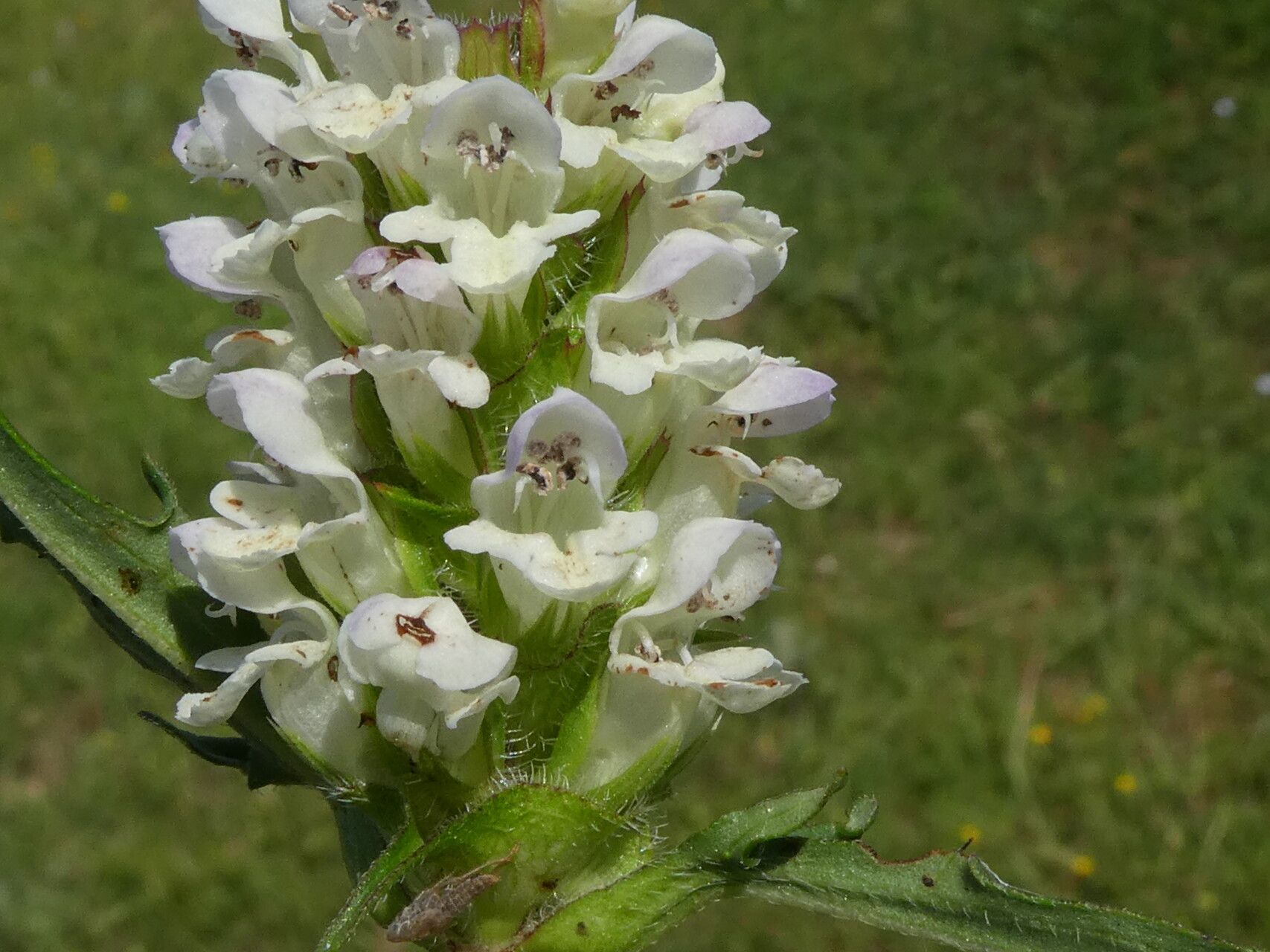
Unlocking the Secrets of Propagation: How to Multiply Your Cutleaf Selfheal (Prunella laciniata)
Cutleaf Selfheal, with its charmingly tousled white blooms and understated foliage, possesses a delicate beauty that belies its hardy nature. This adaptable perennial, also known by its scientific name Prunella laciniata, is a favorite among gardeners seeking low-maintenance groundcovers and pollinator attractors. But did you know that coaxing new Cutleaf Selfheal plants from existing ones is a surprisingly simple process?
That’s right! You don’t need a green thumb or fancy equipment to propagate this versatile beauty. Let’s delve into the two most effective methods for multiplying your Cutleaf Selfheal collection:
1. Division: The Power of Separation
Just like dividing a clump of chives results in multiple thriving plants, Cutleaf Selfheal readily multiplies through division. This method is best performed in early spring or fall when the plant is not actively flowering.
Here’s what you need to do:
- Choose a healthy, mature plant: Look for clumps that are well-established and show vigorous growth.
- Gently dig it up: Use a garden fork or shovel to carefully lift the entire clump from the ground, ensuring you get as much of the root system as possible.
- Divide the clump: You can either tease apart the roots with your fingers or use a sharp, clean knife to separate the clump into smaller sections. Each section should have a good amount of roots and shoots attached.
- Replant the divisions: Choose a location with well-drained soil and either full sun or partial shade. Dig holes slightly larger than the root balls of your divisions and plant them at the same depth they were originally growing.
- Water thoroughly: Give your new plantings a good soak to encourage root establishment.
2. Stem Cuttings: Cloning for More Blooms
For a truly rewarding propagation experience, try your hand at taking stem cuttings. This method utilizes the plant’s natural ability to regenerate from stem sections, essentially cloning your favorite Cutleaf Selfheal.
Here’s how it’s done:
- Choose healthy stems: In the late spring or early summer, select non-flowering stems that appear healthy and vigorous.
- Make the cut: Using clean, sharp pruning shears, take cuttings that are about 3-4 inches long. Cut just below a leaf node (the point where leaves emerge).
- Prepare the cuttings: Remove the lower leaves from the cutting, leaving 2-3 leaves at the top.
- Encourage rooting: Dip the cut end of the stem in rooting hormone (optional, but helpful). Then, plant the cutting in a pot filled with a well-draining seed starting mix or a mixture of perlite and vermiculite.
- Provide humidity: Cover the pot with a plastic bag or place it in a propagator to maintain high humidity.
- Keep it consistently moist: Water regularly, ensuring the soil stays consistently damp but not soggy.
- Wait for roots: After several weeks, gently tug on the cuttings. If you feel resistance, roots have likely formed!
- Transplant: Once the cuttings develop a robust root system (about 6-8 weeks), transplant them to individual pots or directly into the garden.
Enjoy the Fruits (or Flowers) of Your Labor!
Propagating Cutleaf Selfheal is a rewarding experience that allows you to expand your garden with minimal effort. Whether you choose division or stem cuttings, remember to provide your new plants with proper care and watch them thrive. Soon, you’ll be enjoying a flurry of delicate white blooms and the satisfaction of having multiplied your Cutleaf Selfheal collection with your own two hands.