
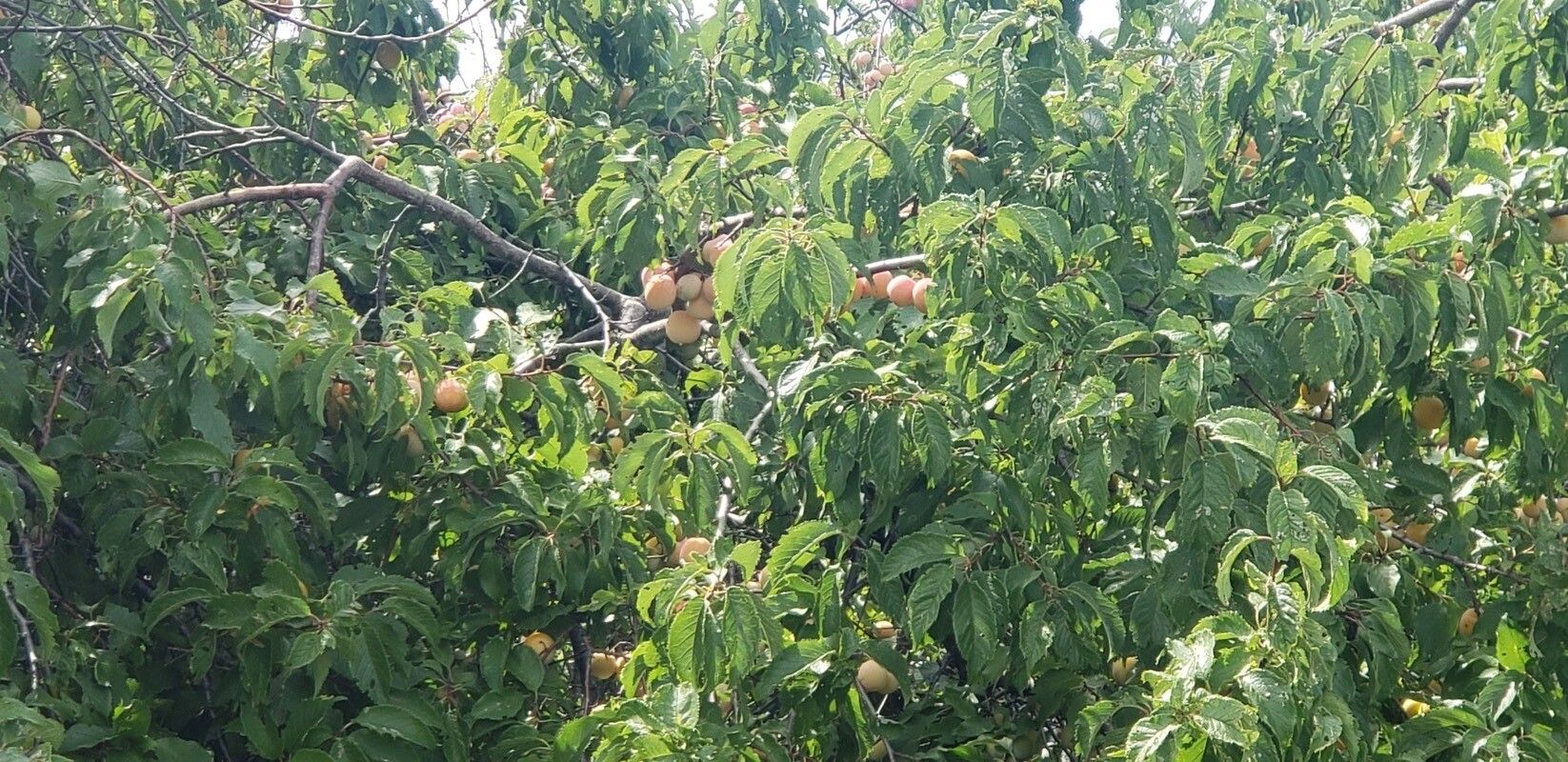
Beyond the Pie: Propagating Your Own American Plum Trees
The American plum tree (Prunus americana) is a sight to behold in the springtime, adorned with fragrant white blossoms that attract a flurry of pollinators. But the real treasures arrive later in the season: juicy, tart plums perfect for jams, jellies, and of course, the classic American plum pie.
While you can easily find American plum trees at nurseries, propagating your own offers a rewarding experience and a chance to multiply your harvest at a fraction of the cost. Let’s delve into the different methods you can use to bring forth a new generation of these fruitful trees.
Method 1: Seed Propagation – Embracing the Wild Side
Propagating American plums from seed is an adventure, yielding unpredictable but potentially unique fruit. Here’s how:
Seed Collection: Gather ripe plums in late summer or early fall. Extract the seeds (pits) and clean off any remaining fruit flesh.
Stratification: American plum seeds need a period of cold treatment to germinate. Mix the seeds with moist sand or peat moss and store them in a refrigerator (around 40°F) for 10-12 weeks.
Sowing: In spring, sow the stratified seeds about 1-2 inches deep in a well-drained seed starting mix.
- Patience is Key: Germination can be erratic, taking anywhere from a few weeks to a year. Keep the soil consistently moist but not waterlogged.
Method 2: Softwood Cuttings – Cloning Your Favorites
Want a replica of a specific plum tree with delicious fruit? Softwood cuttings are your best bet. Here’s the process:
Timing is Everything: Take cuttings from new growth in late spring or early summer, when the stems are flexible but not too tender.
Cut and Prepare: Make a clean cut below a leaf node, about 4-6 inches long. Remove lower leaves and wound the base of the cutting slightly to encourage rooting.
Rooting Hormone Power: Dip the wounded end in rooting hormone powder to boost success rates.
Create a Humid Environment: Plant the cuttings in a moist, well-draining rooting mix and enclose the pot in a plastic bag or humidity dome to maintain moisture.
- Transplant Time: After about 6-8 weeks, gently tug on the cuttings to see if they have rooted. Once rooted, transplant them to larger pots or your desired location.
Method 3: Suckering – Letting Nature Lend a Hand
American plum trees naturally produce suckers, those small shoots emerging from the base. Turn these into free trees!
Identify and Separate: Choose healthy suckers with established root systems. Carefully dig around the sucker, severing the connection to the parent tree.
- Pot or Plant: Pot the separated sucker in well-draining soil or plant it directly in its desired location.
Important Considerations for Success:
- Location, Location, Location: Plant your American plum trees in well-drained soil and a sunny location for optimal growth and fruit production.
- Water Wisely: Keep young trees consistently watered, especially during dry periods.
- Pest and Disease Watch: Keep an eye out for common plum pests and diseases and treat accordingly.
Propagating your own American plum trees is a labor of love, but the rewards of fresh, homegrown plums make it all worthwhile. So, roll up your sleeves, get your hands dirty, and enjoy the journey from pit to pie!