
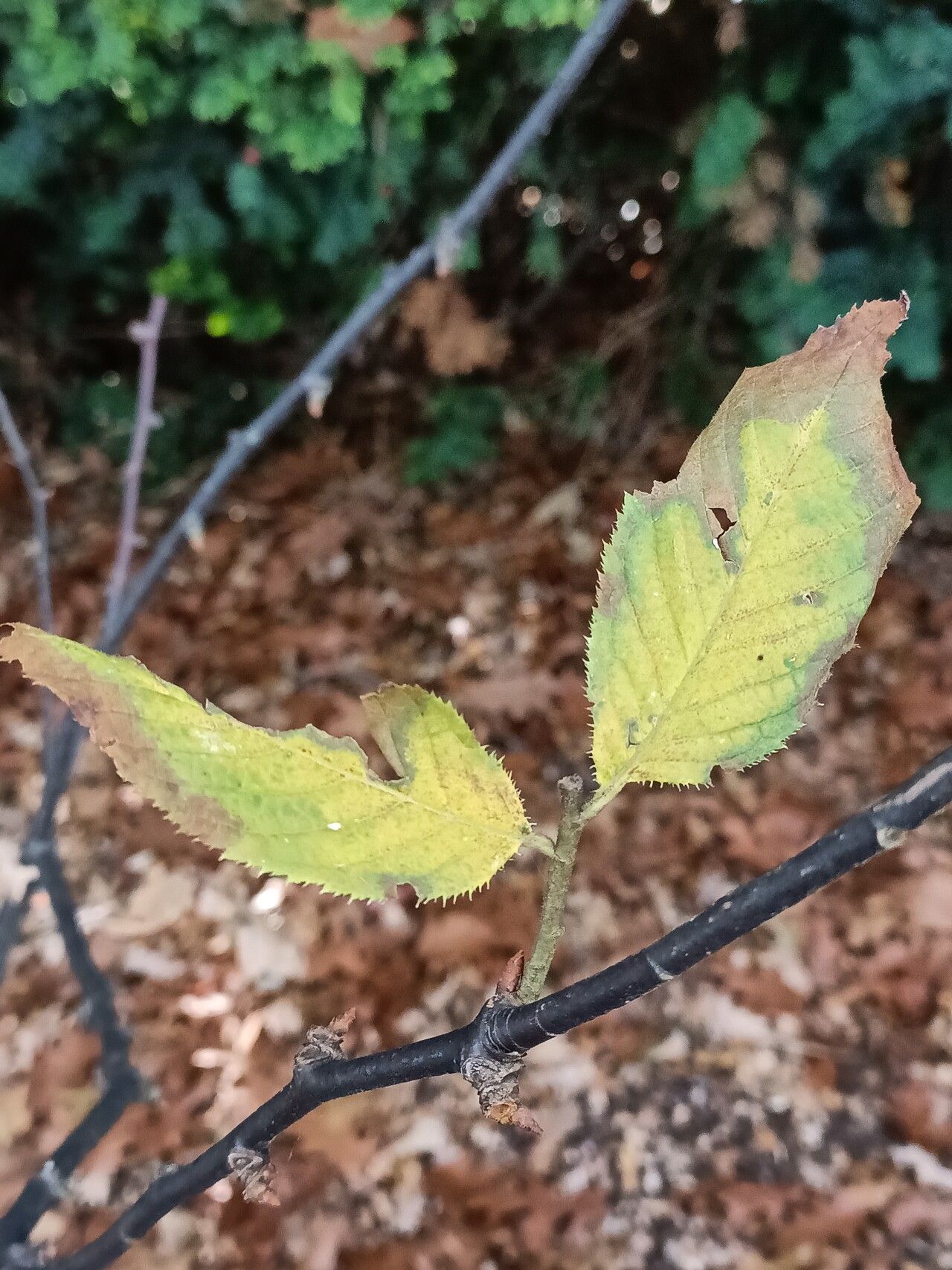
From One to Many: Propagating the Himalayan Cherry
The Himalayan Cherry (Prunus himalayana) is a stunning sight, especially during its spring bloom. Its cascading branches adorned with fragrant white blossoms create an ethereal image, making it a popular choice for gardens and landscapes worldwide. But these beautiful trees can be expensive to purchase. So, what if you could create your own Himalayan Cherry trees from one single source? That’s where propagation comes in!
Propagation allows you to create new plants from a parent plant, creating a clone of the original. This is especially advantageous for the Himalayan Cherry, as it can be challenging to grow from seeds. Here’s a breakdown of the two most common methods for propagating this striking tree:
This method utilizes the succulent new growth of the current year. Here’s how:
- Timing: Late spring or early summer, when the new growth is firm but still pliable.
- Process: Take a cutting about 4-6 inches long, just below a node (where leaves emerge). Remove any leaves below the soil line. Use a sharp knife or pruning shears to make a clean cut. Dip the cut end in rooting hormone to stimulate root growth.
- Planting: Pot the cutting in a well-draining potting mix, keeping it moist but not soggy. Place it in a bright location with indirect sunlight. You can use a clear plastic bag or humidity dome to create a mini-greenhouse, maximizing humidity and warmth.
- Patience: Softwood cuttings can take a few weeks to a few months to root. Keep the potting mix consistently moist and monitor for new growth, indicating successful rooting.
2. Hardwood Cuttings:
This method uses dormant wood from the previous year’s growth. Here’s the process:
- Timing: Late fall or winter, after the tree has lost its leaves.
- Process: Select a healthy branch from last year’s growth and cut it into 6-8 inch sections. Each section should have a single node at the top. Use a sharp knife or pruning shears to make clean cuts.
- Preparation: You can store the cut sections in a cool, dark place until spring, or plant them directly in a well-draining potting mix.
- Planting: Dip the cut ends in rooting hormone and plant in a pot or directly in the ground. Maintain consistent moisture and provide indirect sunlight.
- Timeframe: Hardwood cuttings require a longer rooting period, potentially taking several months or even a year. Patience is key!
Key Considerations:
- Hygiene: Always use clean tools and sterilized potting mix to minimize the risk of disease.
- Location: Choose a spot for your cuttings with sufficient light and ventilation.
- Moisture: Keep the cuttings consistently moist but not waterlogged, ensuring drainage is adequate.
- Temperature: Consistency is key. Avoid sudden temperature fluctuations that can stress the cuttings.
Pro-Tips:
- Using a rooting hormone can significantly improve the success rate.
- Consider using a heating mat to boost root development, especially during colder months.
- Once your new Himalayan Cherry trees have established roots, gradually acclimate them to outdoor conditions.
With these methods, you can successfully propagate the Himalayan Cherry. Witnessing the journey from a single cutting to a fully-grown tree is not only a rewarding experience but also a wonderful way to expand your garden collection and share the beauty of this magnificent species.