
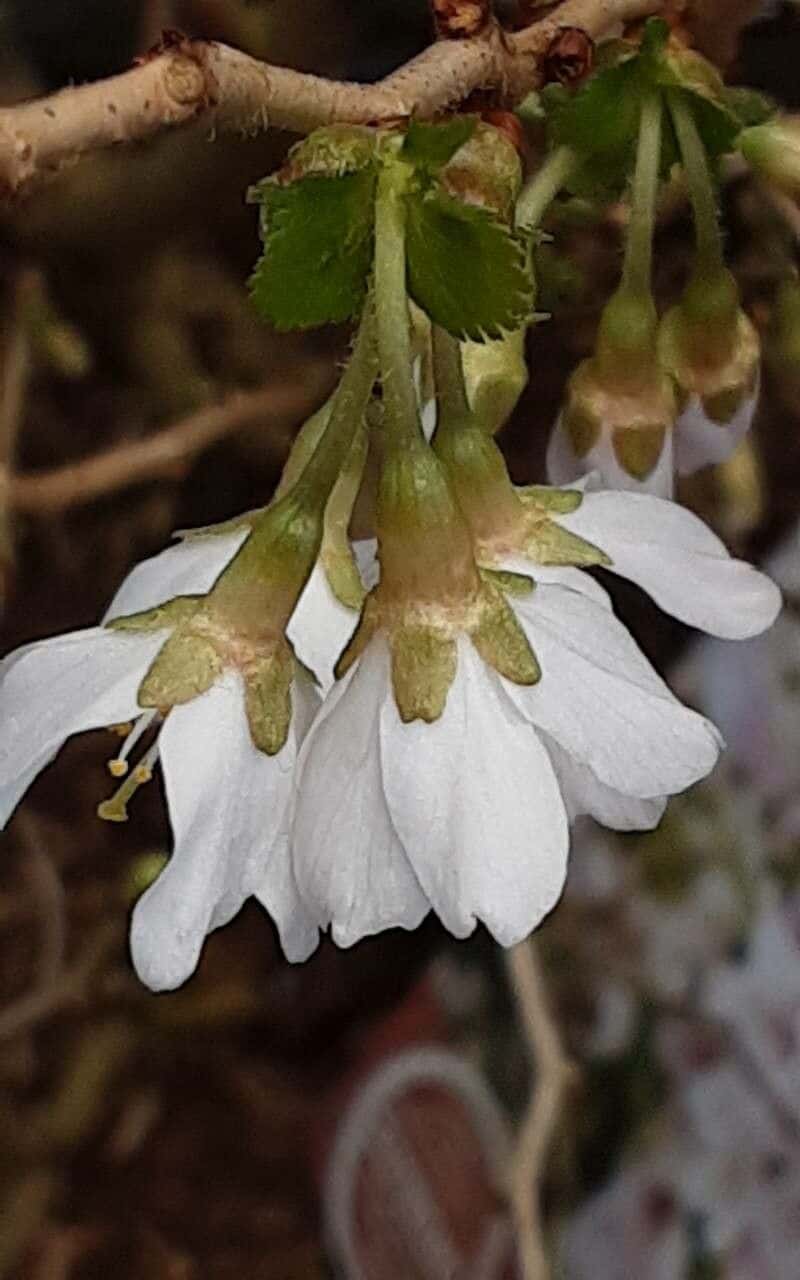
More Than Just Pretty Petals: Propagating Your Very Own Prunus Incisa
The Prunus incisa, more fondly known as the Fuji cherry or the weeping Fuji cherry, is a sight to behold. Its delicate, cascading branches, covered in a froth of white or pink blossoms in early spring, are enough to stop anyone in their tracks. But did you know you can easily multiply this delicate beauty? Propagating a Prunus incisa is a rewarding endeavor, allowing you to welcome more of these stunning trees into your life or share your love for them with friends and family.
This guide will delve into the two most common methods for propagating Prunus incisa:
1. Taking Cuttings:
This method, while requiring a bit more finesse, offers quicker results and ensures the new plant will be genetically identical to the parent tree. Here’s a step-by-step approach:
- Timing is Key: Late spring or early summer, when the new growth is semi-hardened, is ideal for taking cuttings.
- Selecting the Cuttings: Look for healthy, vigorous shoots that are about 4-6 inches long.
- Preparing the Cuttings: Using a sharp, sterilized knife or pruning shears, make a clean cut just below a leaf node (the point where a leaf emerges from the stem). Remove the leaves from the lower two-thirds of the cutting.
- Encouraging Root Development: Dip the cut end in rooting hormone powder, gently tapping off any excess.
- Planting the Cuttings: Fill a small pot with a well-draining potting mix. Make a hole with a pencil and gently insert the cutting, ensuring at least two leaf nodes are buried.
- Creating a Humid Environment: Place the pot in a propagator or cover it with a clear plastic bag, ensuring good air circulation to prevent fungal diseases.
- Patience is a Virtue: Place the cutting in a bright location, but out of direct sunlight. Mist regularly to keep the soil consistently moist, not soggy. Rooting can take several weeks to a couple of months.
2. Growing from Seed:
Propagating Prunus incisa from seed is an adventure in patience, but it offers a fulfilling experience and can sometimes lead to unique variations in the offspring. Here’s how it’s done:
- Collecting the Seeds: After the blossoms fade, the Prunus incisa will develop small, cherry-like fruits. Allow these to fully ripen on the tree before collecting.
- Cleaning and Stratifying: Extract the seeds from the fruit and clean off any remaining pulp. For successful germination, the seeds need a period of cold stratification, which mimics the natural winter conditions. Place the seeds in a moist medium like vermiculite or sand inside a sealed plastic bag, and store them in the refrigerator for 10-12 weeks.
- Sowing the Seeds: In spring, fill seed trays or small pots with a well-draining seed starting mix. Sow the seeds about an inch deep and lightly cover them with soil.
- Providing Optimal Conditions: Water gently and keep the soil consistently moist. Place the trays in a bright location, out of direct sunlight.
- Germination and Beyond: Germination can be erratic and may take several weeks or even months. Once the seedlings have developed a couple of sets of true leaves, they can be carefully transplanted into individual pots.
A Note on Patience:
Propagating Prunus incisa, regardless of the method, requires patience and dedication. Don’t be discouraged if you don’t see results immediately. With proper care and attention, you’ll soon be rewarded with new additions of this enchanting tree, ready to grace your garden with their delicate beauty.