
Unveiling the Secrets of Psephellus dealbatus: A Propagation Guide for Beginners
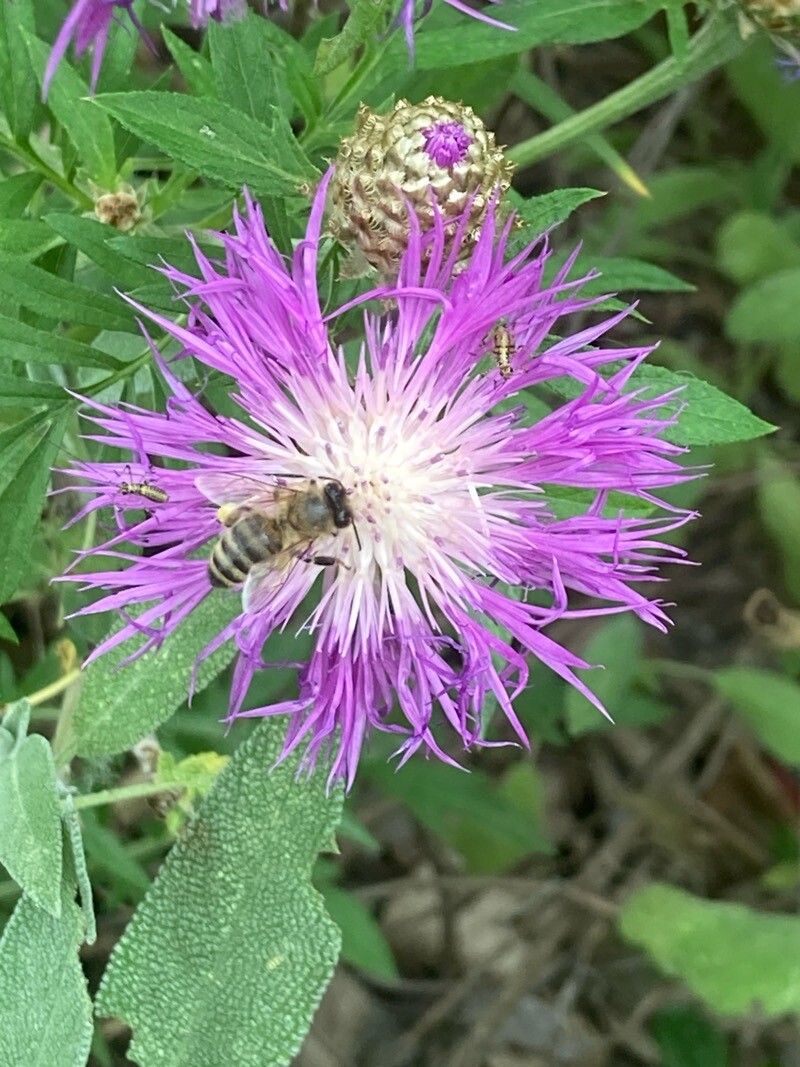
Psephellus dealbatus, also known as the Persian Cornflower, is a captivating perennial with its silvery foliage and vibrant thistle-like blooms. This hardy plant, native to the Caucasus region, adds a touch of exotic beauty and effortless charm to any garden. But did you know that propagating this stunning flower is an achievable feat even for beginner gardeners? Let’s unlock the secrets to successfully growing more of these beauties!
Two Routes to Propagation Success
Psephellus dealbatus can be propagated through two primary methods:
Seed Sowing: Embark on the rewarding journey of starting from scratch!
- Timing is Key: Sow seeds in early spring, directly outdoors after the last frost, or indoors 6-8 weeks before the projected last frost date.
- Sowing Know-How: Choose a well-drained seed starting mix and lightly press the seeds onto the surface, barely covering them.
- Patience is a Virtue: Germination typically takes 2-3 weeks. Maintain consistent moisture and provide ample light, either from a sunny window or grow lights.
Division: For established plants, division offers a quicker path to multiplication.
- When Spring Has Sprung: Divide plants in early spring, just as new growth emerges.
- Division Protocol: Carefully dig up the entire plant, ensuring you lift a good portion of the root system.
- Separation Anxiety (for the Plant): Gently tease apart the roots and separate the plant into smaller sections, each containing healthy roots and shoots.
- New Beginnings: Replant the divisions at the same depth they were originally growing, ensuring adequate spacing between them.
Unlocking Optimal Growing Conditions
Whether you’re starting from seed or division, providing the right environment is crucial for success:
- Sun-Kissed Delight: Psephellus dealbatus flourishes in locations that receive at least 6 hours of direct sunlight per day.
- Drainage is Paramount: Well-drained soil is essential to prevent root rot. If your soil is heavy clay, consider amending it with compost or other organic matter to improve drainage.
- Watering Wisdom: Water deeply but infrequently, allowing the soil to dry out slightly between waterings. Once established, this species exhibits drought tolerance.
- Feeding Frenzy (in Moderation): While not heavy feeders, a light fertilization in spring with a balanced fertilizer can be beneficial.
Troubleshooting Tips
- Slugs and Snails, Beware! These pests can be a nuisance. Employ preventative measures like diatomaceous earth or copper tape to protect your precious plants.
- Powdery Mildew Woes: In humid conditions, powdery mildew may develop. Ensure adequate air circulation and consider applying a preventative fungicide.
Rewards of Patience
Propagating Psephellus dealbatus is a rewarding endeavor for gardeners of all levels. By following these guidelines, you’ll be well on your way to cultivating a flourishing display of these enchanting flowers. So, embrace the journey, and prepare to be mesmerized by the captivating allure of the Persian Cornflower in your own garden!