
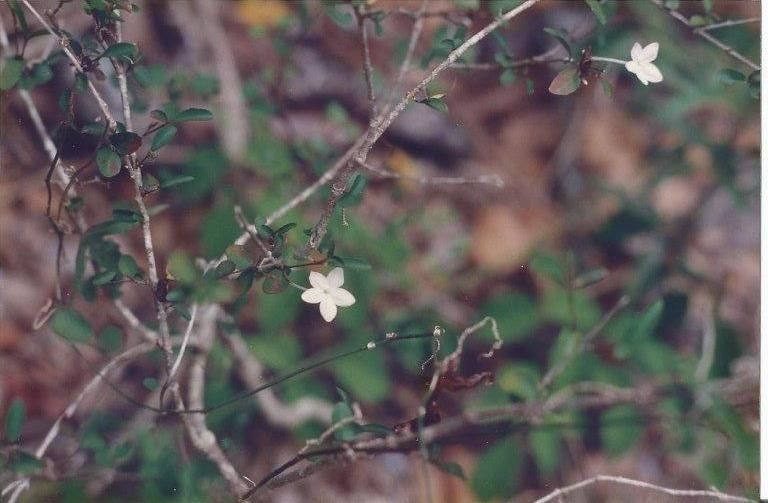
Paint Your Garden with Purple: Easy Propagation Techniques for Pseuderanthemum Incisum
The Pseuderanthemum incisum, known for its vibrant purple foliage and delicate white flowers, is a showstopper in any garden. This tropical shrub, sometimes called the “Purple False Eranthemum,” thrives in warm, humid climates, adding a splash of color to borders, containers, and even hanging baskets.
If you’re looking to multiply this beauty and paint your garden with even more purple, you’re in luck! Pseuderanthemum incisum is surprisingly easy to propagate, making it a joy to share with friends or simply expand your collection. Let’s explore two common methods:
1. Stem Cuttings: A Tried and True Technique
Stem cuttings are the most popular way to propagate Pseuderanthemum incisum, and for good reason – it’s simple and boasts a high success rate. Here’s a step-by-step guide:
- Timing is key: The best time for propagation is during the plant’s active growing season, typically spring or early summer.
- Choose your cuttings: Select healthy, non-flowering stems about 4-6 inches long. Look for stems with at least 2-3 nodes (the bumps where leaves emerge).
- Prepare the cutting: Using clean, sharp shears or a knife, make a cut just below a node. Remove the leaves from the bottom inch or two of the stem.
- Encourage rooting: Dipping the cut end in rooting hormone powder (optional but recommended) can encourage faster root development.
- Plant your cutting: Insert the prepared cutting into a well-draining potting mix, burying the bottom nodes.
- Create a humid environment: Cover the pot with a clear plastic bag or use a propagation dome to maintain humidity and warmth.
- Be patient: Place the pot in a bright location, out of direct sunlight. Keep the soil consistently moist but not soggy.
- Signs of success: In a few weeks, you should see new growth, indicating successful rooting. At this point, you can gradually acclimate your new plant to the outdoors before transplanting it to its final location.
2. Layering: Letting Nature Lend a Hand
Layering is another propagation method that takes advantage of the plant’s natural ability to form roots.
- Select a branch: Choose a flexible, low-growing stem that can reach the ground.
- Prepare the stem: Gently wound or scrape the underside of the stem about 6-8 inches from the tip. You can apply rooting hormone to the wound.
- Bury the stem: Bend the stem carefully and bury the wounded portion in the soil, holding it in place with a landscape staple or rock.
- Maintain moisture: Keep the soil around the buried stem consistently moist.
- Patience is key: In a few months, roots should have formed at the wounded site. You can then sever the newly rooted plant from the parent and transplant it.
Tips for Success:
- Sterilize your tools: Clean your cutting tools with rubbing alcohol before and after each use to prevent the spread of diseases.
- Use a well-draining potting mix: A mix formulated for cuttings or seedlings is ideal.
- Avoid overwatering: Keep the soil moist but avoid waterlogging, which can lead to root rot.
- Be patient: Propagation takes time, so don’t be discouraged if you don’t see results immediately.
With these simple techniques and a little patience, you can readily multiply your Pseuderanthemum incisum and enjoy its colorful foliage for seasons to come. Happy propagating!