
Multiply Your Desert Charm: Propagating the Showy Pseudobaccharis spartioides
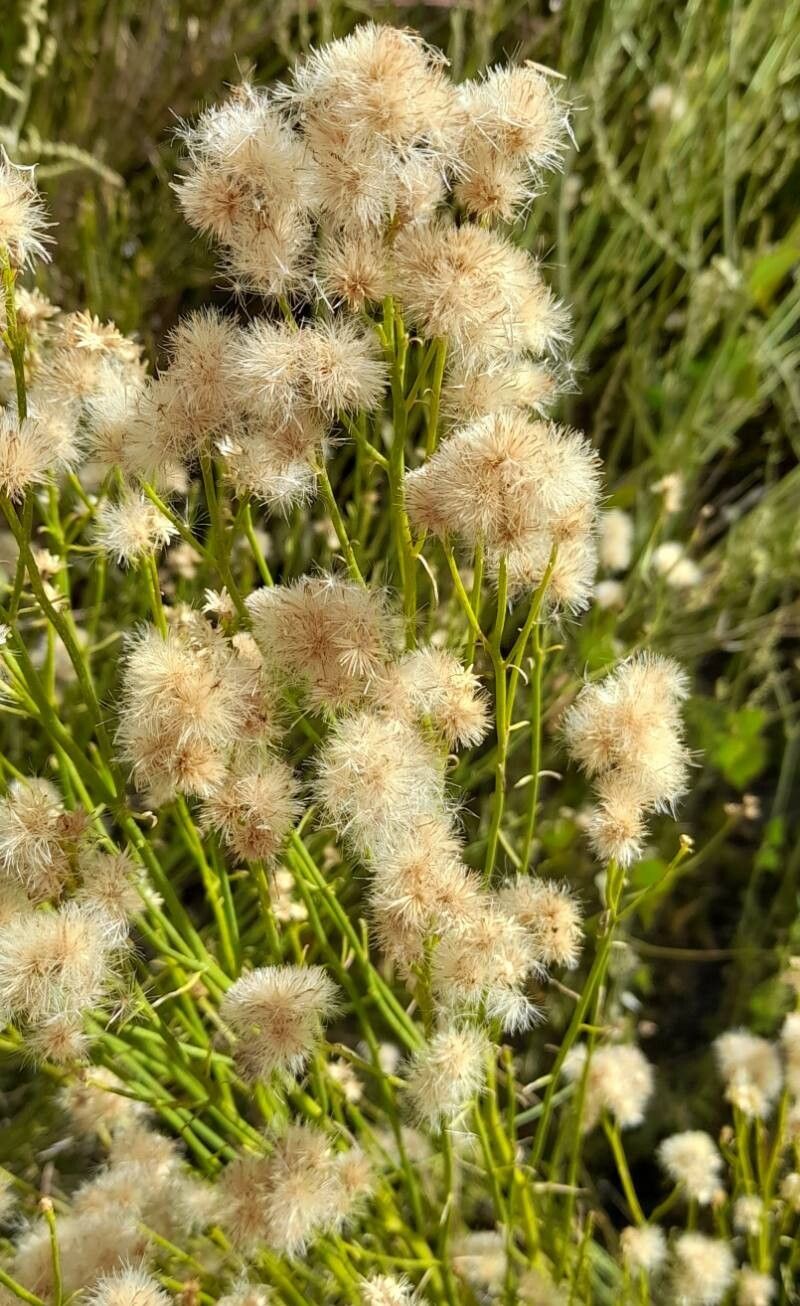
The Pseudobaccharis spartioides, with its cascading branches adorned with bright yellow flowers, is a captivating sight in any arid landscape. This drought-tolerant shrub, often called the “bushy baccharis” or “desert broom,” adds a splash of sunshine and a distinct texture to your garden. But beyond its beauty lies a secret: it’s remarkably easy to propagate, allowing you to expand your collection or share the joy with fellow plant enthusiasts.
Methods for Propagation:
There are two primary methods for propagating your Pseudobaccharis spartioides:
1. Seed Propagation:
- Timing: Sow seeds in the spring when temperatures are consistently warm.
- Preparation: Start with a seed tray filled with well-draining seed starting mix. Lightly press seeds onto the surface, and cover them with a thin layer of the mix.
- Moisture: Maintain consistent moisture but avoid overwatering. Mist the surface regularly to prevent the soil from drying out completely.
- Sunlight: Provide bright, indirect sunlight or a sunny windowsill. Seedlings will emerge within 2-3 weeks.
- Transplanting: Once seedlings have developed a few true leaves, they can be transplanted into individual pots.
- Hardening Off: Gradually acclimate the seedlings to outdoor conditions by placing them in a protected area for a week or two before planting them in the ground.
2. Cuttings Propagation:
- Timing: Take cuttings in the spring or early summer when the plant is actively growing.
- Selection: Choose healthy, non-flowering stems with new growth. Cut stems about 4-6 inches long, just below a leaf node.
- Preparation: Remove leaves from the lower portion of the stem, leaving 2-3 leaves at the top. Dip the cut end in rooting hormone for optimal results.
- Planting: Place cuttings in a pot filled with a mix of potting soil and perlite for drainage. Ensure the cut end is buried 1-2 inches deep.
- Maintenance: Keep the soil moist but not soggy. Cover the pot with a plastic bag or dome to create a humid environment for the cutting to root.
- Rooting: Within a few weeks, you should notice new growth, indicating successful rooting.
- Transplanting: Once the roots are well-established, you can transplant your cuttings into their permanent location.
Tips for Success:
- Moisture: Pseudobaccharis spartioides are drought-tolerant once established, but during propagation, they need consistently moist soil.
- Drainage: Choose a potting mix that drains well to prevent root rot.
- Sunlight: Provide bright, indirect sunlight for both seedlings and cuttings.
- Patience: Propagation can take some time, but with proper care, you’ll be rewarded with a beautiful, new plant.
Benefits of Propagation:
Beyond the joy of creating new life, propagating Pseudobaccharis spartioides offers several benefits:
- Cost-effective: Expand your garden without breaking the bank.
- Customization: Choose specific plants you like and propagate them to create a personalized landscape.
- Sharing: Share the beauty of this desert gem with friends and family.
Let your garden bloom with vibrant yellow flowers all year round. Embrace the rewarding journey of propagation, and watch your Pseudobaccharis spartioides flourish. With dedication and a little TLC, you’ll create a stunning display of desert beauty that will bring joy to your heart and brighten up your landscape.