
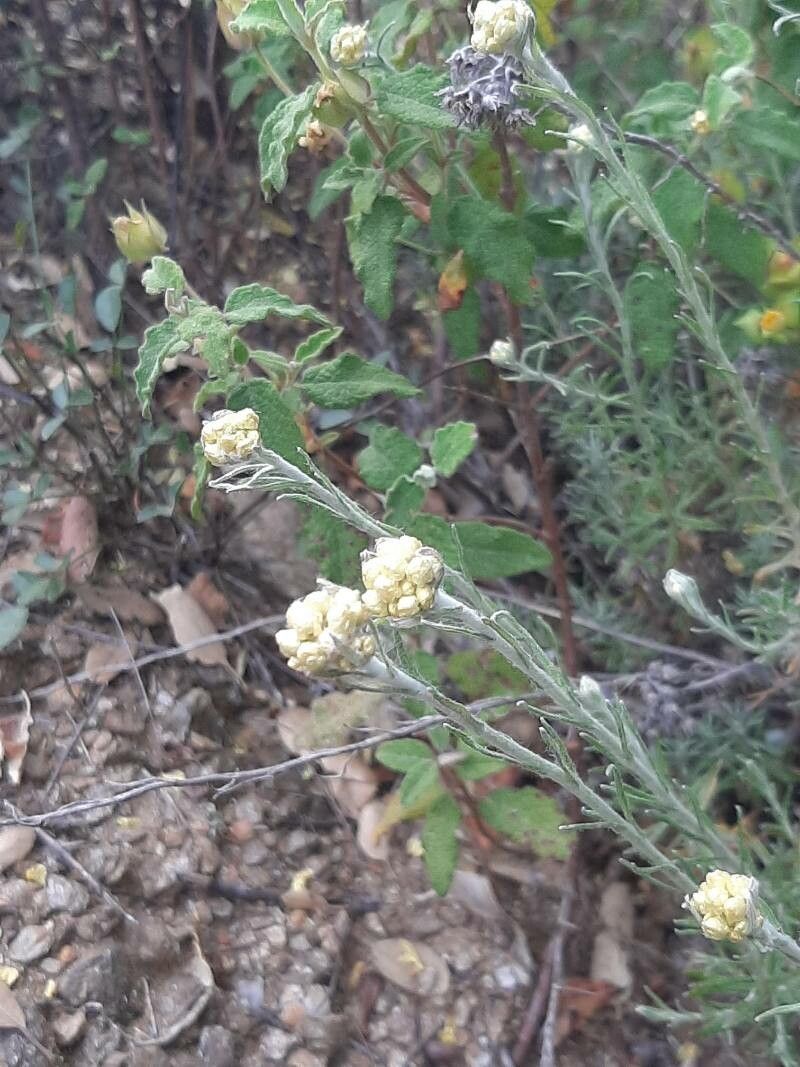
Unveiling the Secrets: Propagating the Everlasting Beauty of Pseudognaphalium biolettii
If you’re a plant enthusiast, chances are you’re always on the lookout for unique and captivating additions to your collection. Enter Pseudognaphalium biolettii, commonly known as the Cottonbatting Plant. This Californian native charms with its velvety silver foliage and delicate clusters of yellow flowers. And the best part? Propagating this beauty is easier than you might think! Let’s delve into the world of Pseudognaphalium biolettii propagation and uncover the secrets to its successful multiplication.
Two Paths to Propagation:
Pseudognaphalium biolettii generously offers two primary methods of propagation:
1. Seed Propagation: A Journey From Tiny Specks to Silver Wonders
- Timing is Key: Spring is the ideal time to embark on your seed-starting adventure.
- Sowing the Seeds: Choose a well-draining seed starting mix and sprinkle the tiny seeds on the surface. Gently press them in – light is essential for germination.
- Patience is a Virtue: Keep the soil consistently moist but not waterlogged. Germination can take anywhere from a few weeks to a month.
- Towards the Sunlight: Once the seedlings emerge, provide them with ample sunlight to fuel their growth.
- Transplanting Time: When your seedlings have developed a strong root system and several sets of true leaves, they are ready to be transplanted into individual pots or your garden bed.
2. Cuttings: Cloning Your Silver Delight
- The Right Time: Late spring or early summer, when the plant is actively growing, is the perfect time to take cuttings.
- Selecting Your Cuttings: Choose healthy stems that are about 4-6 inches long. Make a clean cut just below a leaf node (where the leaf attaches to the stem).
- Hormone Boost (Optional): While not strictly necessary, dipping the cut end in rooting hormone can encourage faster and more successful rooting.
- Planting the Cuttings: Plant the cuttings in a well-draining potting mix, burying at least one leaf node.
- Creating a Humid Environment: Cover the pot with a plastic bag or use a humidity dome to retain moisture and encourage rooting.
- New Growth Emerges: In a few weeks, you should see signs of new growth, indicating successful rooting. Once established, you can gradually acclimate your new plants to their permanent homes.
Nurturing Your New Progeny
Regardless of the propagation method you choose, providing the right care is crucial for your new Pseudognaphalium biolettii plants to thrive:
- Sunlight: These sun-loving plants thrive in 6-8 hours of direct sunlight.
- Watering: Water deeply but allow the soil to dry out slightly between waterings. Overwatering can lead to root rot.
- Soil: Well-draining soil is essential. Amending the soil with perlite or sand can improve drainage.
A Legacy of Beauty
Propagating your Pseudognaphalium biolettii is not only a rewarding experience but also a way to ensure that the delicate allure of this Californian native continues to grace gardens for generations to come. So, why not embark on your propagation journey today and share the joy of this remarkable plant with fellow enthusiasts?