
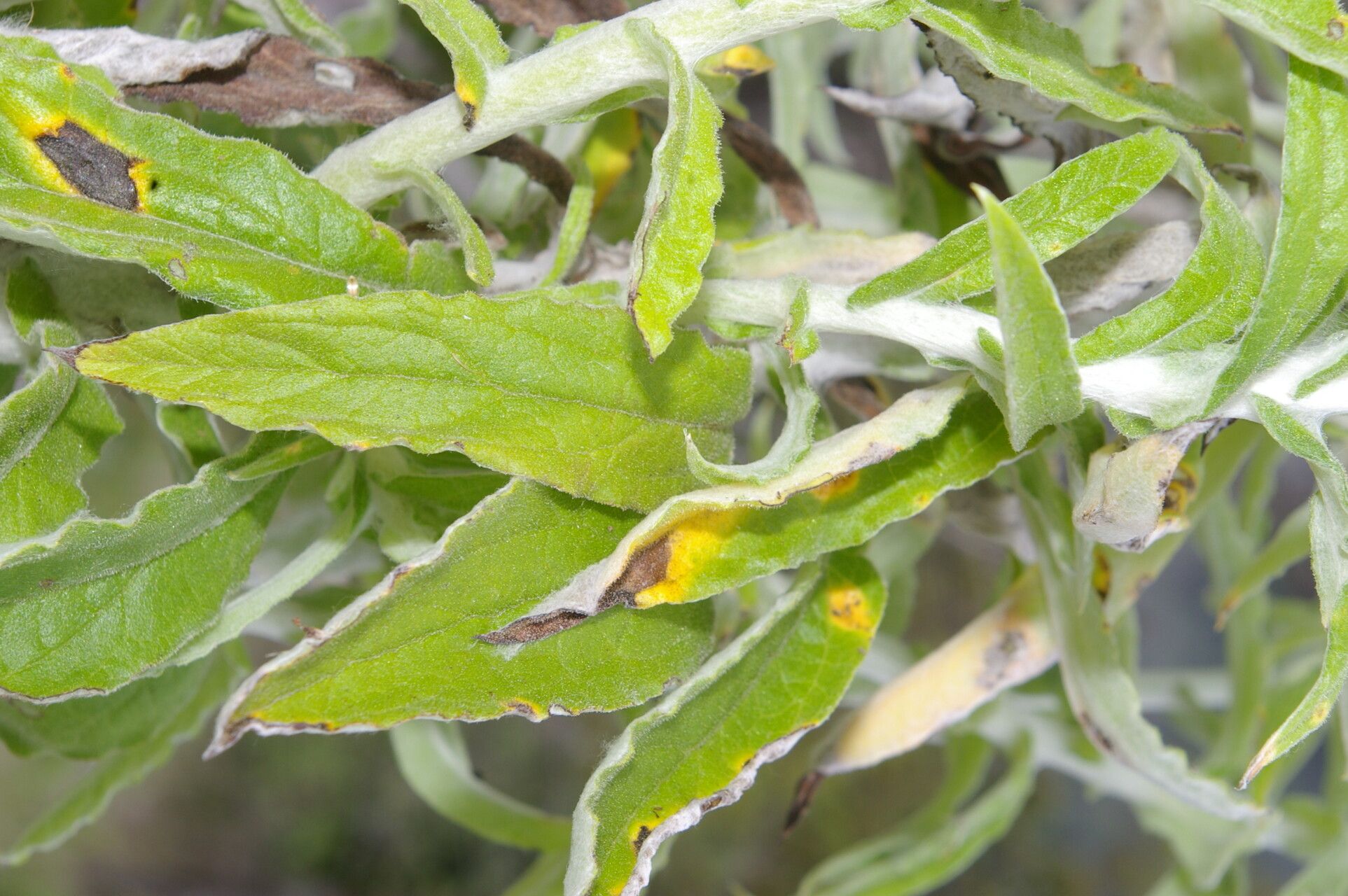
Unveiling the Secrets: How to Propagate the Elegant Cudweed (Pseudognaphalium elegans)
The Elegant Cudweed (Pseudognaphalium elegans), with its silvery foliage and charming, button-like flowers, offers a unique textural element to any garden. But did you know that this captivating plant, often found gracing coastal dunes and dry landscapes, is also surprisingly easy to propagate? Whether you’re a seasoned gardener or just starting your green journey, mastering the art of multiplying your Pseudognaphalium elegans is a rewarding endeavor. Let’s delve into the secrets of propagating this resilient beauty.
Two Paths to Propagation:
The Pseudognaphalium elegans offers two primary methods of propagation:
Seed Propagation: This method allows you to grow a large number of plants.
- Cuttings: This method offers a quicker way to generate new plants that are genetically identical to the parent plant.
1. Seed Starting: Witnessing Life’s First Sprout
Pseudognaphalium elegans readily produces seeds, making this method an excellent choice for abundant propagation. Here’s how to sow the seeds of success:
- Timing is key: The ideal time for sowing is late winter or early spring.
- Prepare the seedbed: Utilize a well-draining seed starting mix and lightly moisten it.
- Sow with care: Scatter the tiny seeds across the surface, barely pressing them into the mix. Remember, light aids germination.
- Patience is a virtue: Germination can take anywhere between 1-3 weeks. Maintain a consistent moisture level and provide warmth.
- Transplanting Triumph: Once the seedlings develop a couple of true leaves, carefully transplant them into individual pots or your garden bed.
2. Cuttings: Replicating Elegance with Ease
Propagation through cuttings offers a higher success rate and allows you to bypass the germination stage. Here’s your guide to success:
- Choosing the Right Moment: Spring or early summer is the prime time for taking cuttings.
- Selecting Healthy Stems: Choose healthy, non-flowering stems, approximately 3-4 inches long.
- Prepare the Cuttings: Remove the lower leaves, leaving only a couple at the top.
- Rooting Hormone (Optional): While not strictly necessary, dipping the cut end in rooting hormone can encourage faster root development.
- Planting the Cuttings: Plant them in a well-draining potting mix, burying the node (where the leaves were removed) just below the soil surface.
- Create a Humid Environment: Cover the pot with a plastic bag or use a propagation dome to maintain humidity, which is crucial for root development.
- Patience, Once More: In a few weeks, gently tug on the cutting to check for resistance, which indicates successful rooting.
Nurturing Your New Propagations:
Regardless of your chosen propagation method, providing the right care for your new Pseudognaphalium elegans is essential:
- Sunlight: This plant flourishes in full sun to partial shade.
- Soil: Well-drained soil is key to prevent root rot.
- Watering: Water deeply but infrequently, allowing the soil to dry out slightly between waterings.
- Fertilizer: These plants are not heavy feeders. A light application of balanced fertilizer in spring is usually sufficient.
Propagating your own Pseudognaphalium elegans is an immensely satisfying experience. By following these simple guidelines, you’ll be well on your way to expanding your garden with this captivating, low-maintenance plant. So, roll up your sleeves, embrace the joy of propagation, and let your garden become a haven of elegant cudweed beauty!