
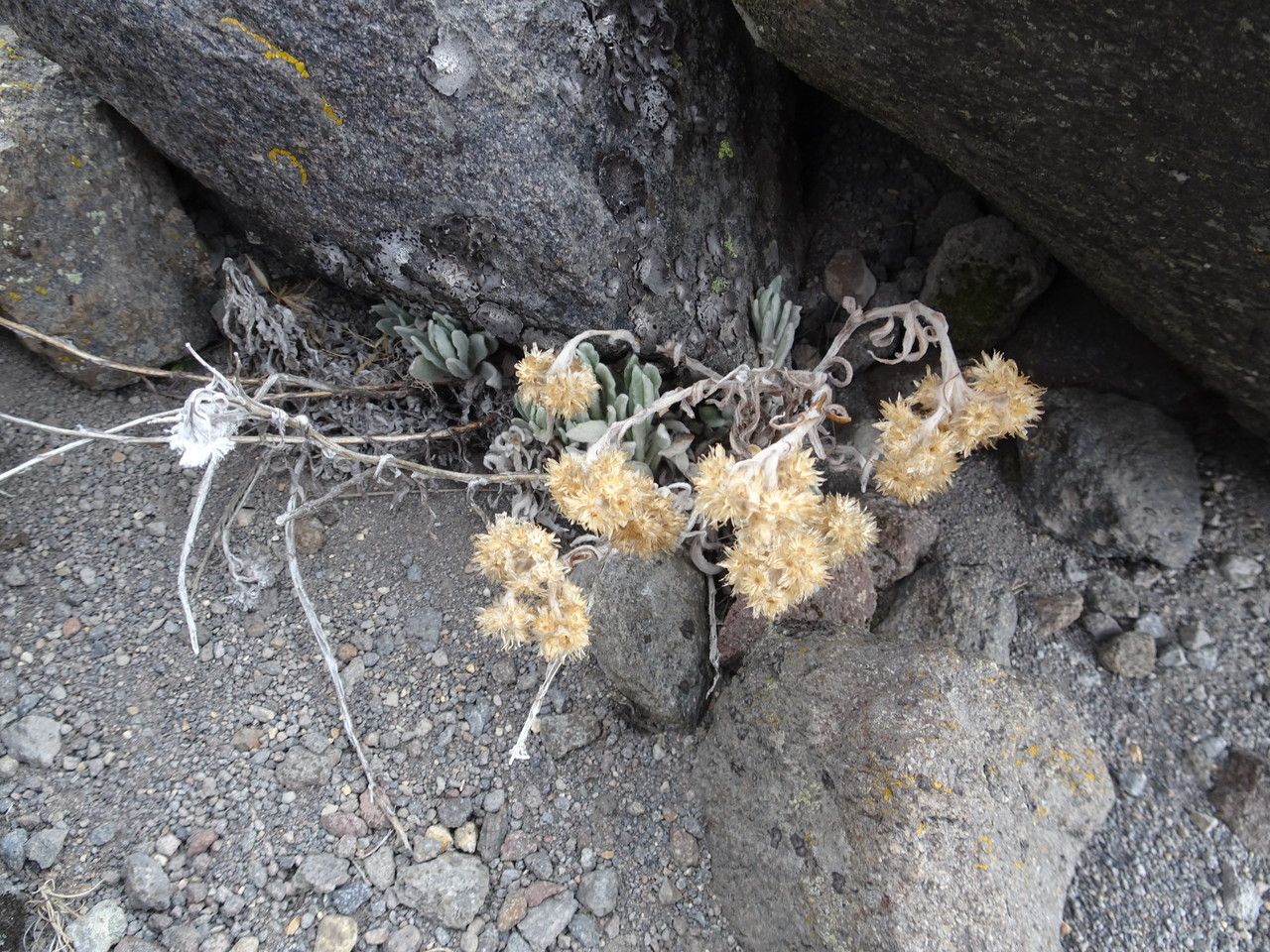
From Seed to Bloom: The Joy of Propagating Pseudognaphalium liebmannii
If you’re seeking a unique and captivating plant to add to your garden, look no further than Pseudognaphalium liebmannii. This beautiful, silver-leaved beauty is native to Mexico and boasts fuzzy foliage and charming, bright yellow flowers. But did you know that you can easily grow your own Pseudognaphalium liebmannii from seed or cuttings?
Propagating this amazing plant is a rewarding experience that allows you to enjoy the process of bringing life to your garden. Whether you’re a seasoned gardener or just starting out, this guide will equip you with the knowledge and tools to successfully propagate Pseudognaphalium liebmannii and watch it thrive in your own space.
Let’s Get Started with Seeds:
Timing is Key: Spring is the ideal time to start your Pseudognaphalium liebmannii seeds. While they can be sown indoors or outdoors, starting them indoors gives you more control over the growing environment.
Choose the Right Medium: Seed starting mix provides the perfect balance of drainage and moisture retention, ensuring your seeds have the best chance at germination.
Sow and Cover Lightly: Fill seed trays or pots with the starting mix and gently press a seed into each cell. Cover the seeds with a thin layer of compost and water gently.
Keep it Warm and Moist: Maintain a temperature between 65-75°F (18-24°C) and keep the soil moist. Seed germination typically takes 14-21 days, but be patient, as some seeds may take a bit longer.
- Thinning and Transplanting: Once your seedlings develop their first true leaves, it’s time to thin them out, leaving the strongest ones to grow. After a few weeks, you can transplant them to larger pots or directly into your garden.
Vegetative Propagation with Cuttings:
Choose Your Stems: Take cuttings from healthy, non-flowering stems. Cut just below a node (the point where a leaf grows) using a sharp knife or scissors.
Remove Lower Leaves: Strip away the leaves from the bottom inch or two of the cutting to encourage root growth.
Dip in Rooting Hormone (Optional): While not essential, rooting hormone can increase the success rate of your cuttings.
Prepare the Medium: Use a sterile potting mix or a mixture of perlite and vermiculite. Place your cuttings in a pot or tray.
Maintain Humidity: Cover the cuttings with a plastic dome or bag to create a humid environment that encourages root development.
Light and Temperature: Keep the cuttings in bright, indirect light and maintain a temperature of around 65-70°F (18-21°C).
- Patience is a Virtue: Rooting can take several weeks, so be patient and resist the urge to pull on the cuttings too early.
Tips for Success:
- Good Drainage is Key: Ensure your chosen pot has drainage holes and avoid overwatering.
- Plenty of Sunlight: Pseudognaphalium liebmannii thrives in full sun to partial shade.
- Organic Fertilizer: Feed your plants with a balanced organic fertilizer once a month during the growing season.
With a little knowledge and care, propagating Pseudognaphalium liebmannii is an enjoyable and rewarding process. From seed to bloom, watching your plants grow will provide you with a deep sense of satisfaction and a stunning addition to your garden. So, give it a try and experience the joy of cultivating your own unique specimens of this silver-leaved beauty.