
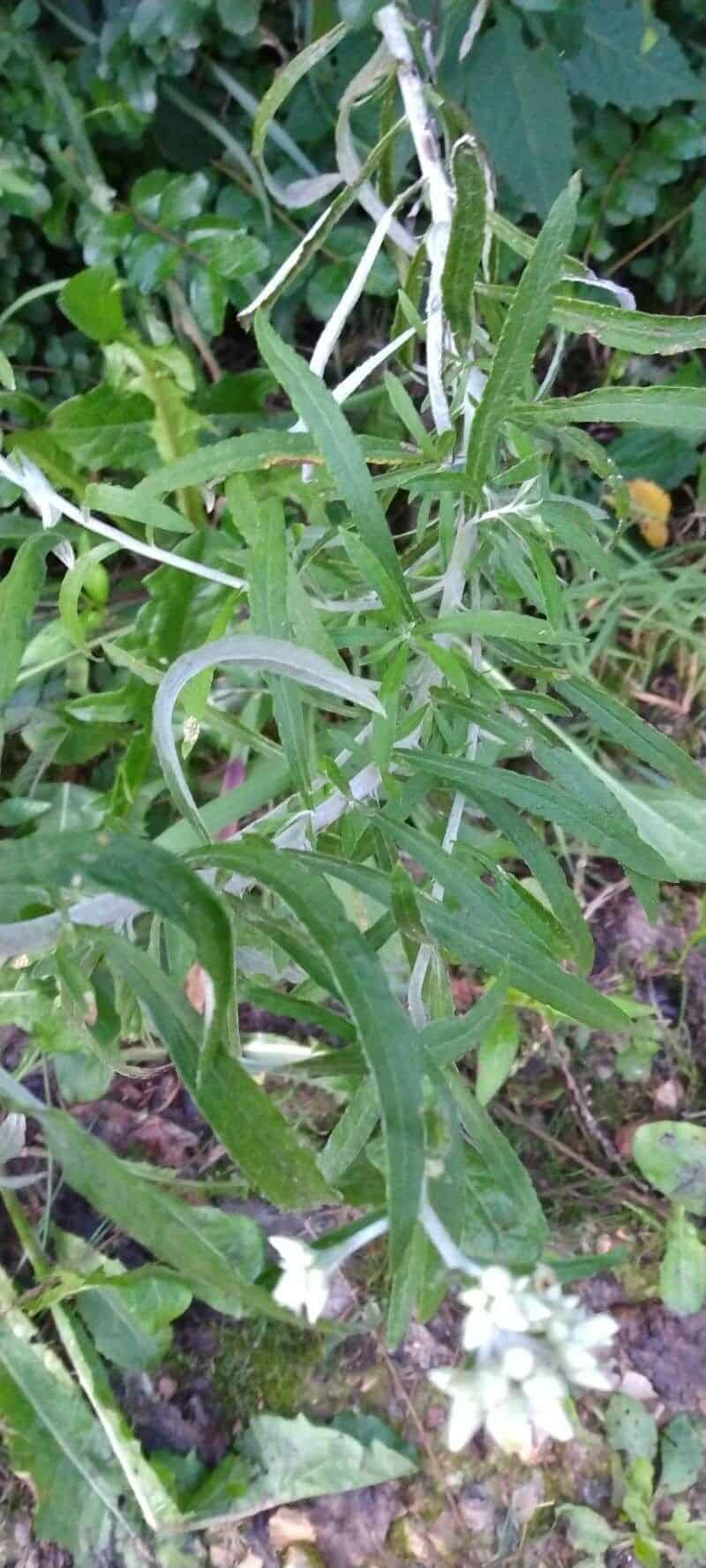
Sharing the Sweet Everlasting: Propagating Pseudognaphalium obtusifolium
Pseudognaphalium obtusifolium, more affectionately known as rabbit tobacco or sweet everlasting, is a charming wildflower native to North America. Beyond its delicate appearance and sweet, earthy aroma, it boasts a rich history of medicinal and spiritual uses. If you’re interested in inviting this fascinating plant into your garden, propagation is surprisingly easy! This guide will walk you through the steps to successfully grow new plants from seed and cuttings.
Method 1: Seed Starting
Starting sweet everlasting from seed is a fulfilling and cost-effective method. Here’s what you need to do:
- Collecting Seeds: The optimal time to gather seeds is in the fall when the plant’s fluffy, white seed heads mature. Gently rub the seed heads between your fingers to release the tiny, brown seeds.
- Preparing for Sowing: Sweet everlasting seeds benefit from cold stratification, mimicking their natural winter dormancy. You can either sow seeds directly outdoors in late fall or early winter, or cold stratify them indoors:
- Outdoor Sowing: Scatter seeds on the surface of prepared soil and lightly rake them in.
- Indoor Stratification: Mix seeds with a bit of damp sand or vermiculite, seal them in a plastic bag, and place them in the refrigerator for 4-6 weeks before sowing.
- Sowing Seeds: Whether you’re sowing directly outdoors or starting indoors, choose a well-drained seed starting mix. Sprinkle seeds on the surface, as they require light to germinate. Mist the soil gently and keep it consistently moist.
- Providing Optimal Conditions: Place your seed trays or pots in a bright location, out of direct sunlight. The ideal germination temperature is around 70°F (21°C).
- Transplanting Seedlings: Once seedlings develop a few sets of true leaves and the danger of frost has passed, harden them off gradually. Transplant them into the garden, spacing them about 12 inches apart.
Method 2: Propagating from Cuttings
While seed starting is a rewarding process, propagating from cuttings offers a faster route to mature plants.
- Taking Cuttings: The best time to take cuttings is in the spring or early summer from new growth. Using clean, sharp shears, cut a 4-6 inch section of stem just below a leaf node. Remove the lower leaves, leaving 2-3 pairs at the top.
- Rooting Hormone (Optional): While not mandatory, dipping the cut end in rooting hormone can encourage faster and more successful rooting.
- Planting the Cuttings: Fill small pots with a well-draining potting mix. Make a small hole in the soil with your finger or a pencil and gently insert the cut end of the stem. Water thoroughly.
- Encouraging Root Development: Cover the pots with a plastic bag or humidity dome to trap moisture. Keep the cuttings in a warm, bright location out of direct sunlight.
- Transplanting Rooted Cuttings: After 4-6 weeks, cuttings should have developed roots. Gently tug on the stem; if you feel resistance, it’s ready for transplanting. Harden off the cuttings gradually before planting them in their permanent location.
Caring for Your New Plants:
Sweet everlasting thrives in full sun to partial shade and well-drained soil. Water regularly until established, then allow the soil to dry out slightly between waterings. Deadhead spent flowers to encourage more blooms and prevent self-seeding.
Enjoy the Sweet Rewards:
Whether you choose to propagate Pseudognaphalium obtusifolium from seed or cuttings, you’ll be rewarded with beautiful, fragrant plants that attract pollinators and provide visual interest to your garden. Embrace the journey of propagation and discover the joy of sharing this unique and fascinating wildflower.