
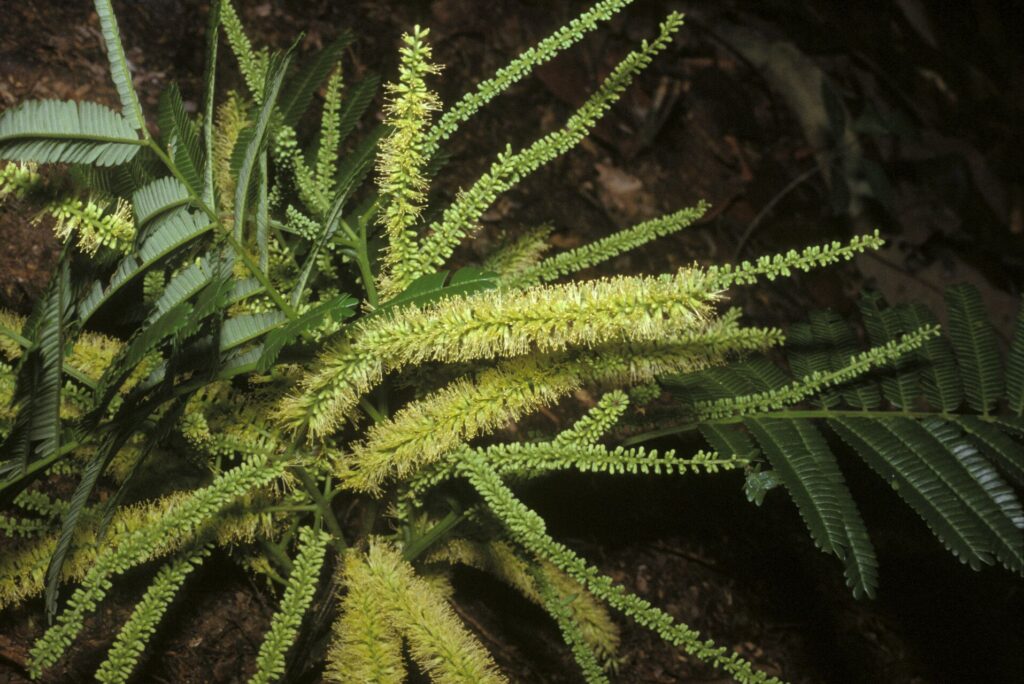
Unlocking the Secrets of Pseudopiptadenia suaveolens Propagation: A Guide for Enthusiasts
The world of plants is full of hidden gems, and Pseudopiptadenia suaveolens is undoubtedly one of them. This South American native, known for its striking appearance and fragrant flowers, can be a captivating addition to your garden. However, finding commercially available plants can be challenging, leading many enthusiasts to the rewarding path of propagation.
This guide will unlock the secrets of successfully propagating Pseudopiptadenia suaveolens using two primary methods:
1. Seed Propagation:
This is the most common method and offers a greater sense of accomplishment as you nurture a plant from its very beginning.
- Seed Collection: Source viable seeds from reputable suppliers or, if you’re lucky enough to have access to a mature tree, collect ripe pods directly. These pods usually appear in late summer or fall and contain small, brown seeds.
- Seed Treatment: Pseudopiptadenia suaveolens seeds have a hard outer coating that can hinder germination. To overcome this, you can use two methods:
- Scarification: Gently rub the seed coat with sandpaper or a file, creating a small opening for water absorption.
- Hot Water Treatment: Soak the seeds in hot (not boiling) water for 24 hours. This softens the seed coat, encouraging germination.
- Sowing: Plant the treated seeds in a well-draining seed-starting mix, burying them about 1 cm deep. Water lightly and maintain a consistently moist environment.
- Germination: Be patient! Germination can take anywhere from a few weeks to a couple of months. Providing bottom heat using a seedling heat mat can help expedite the process.
- Transplanting: Once seedlings develop a few sets of true leaves, transplant them individually into larger pots or directly into the ground if the climate allows.
2. Cutting Propagation:
This method involves encouraging root development from a section of the parent plant. While it can be slightly trickier than seed propagation, it offers the advantage of faster growth and preserves the parent plant’s characteristics.
- Cutting Selection: In late spring or early summer, select healthy, semi-hardwood cuttings from the current year’s growth. Ideal cuttings are about 10-15 cm long with several nodes.
- Preparing the Cuttings: Remove the leaves from the lower half of the cutting. To enhance rooting success, dip the cut end in rooting hormone powder, following the manufacturer’s instructions.
- Planting the Cuttings: Insert the cuttings into a well-draining potting mix, ensuring at least one or two nodes are buried. Water thoroughly.
- Creating a Humid Environment: Cover the pot with a plastic bag or use a propagation dome to maintain high humidity around the cuttings. This encourages root development.
- Transplanting: After about 6-8 weeks, gently tug on the cuttings to check for root development. Once the roots are established, you can transplant the cuttings into larger pots or the ground.
Caring for Your Newly Propagated Pseudopiptadenia suaveolens:
- Sunlight: These plants thrive in full sun to partial shade. Aim for at least 6 hours of direct sunlight daily.
- Watering: Water regularly, especially during the first year, ensuring the soil remains consistently moist but not waterlogged.
- Soil: Well-draining soil is crucial to prevent root rot. Amend heavy clay soils with organic matter to improve drainage.
- Fertilizer: Feed your plants with a balanced fertilizer during the growing season to support healthy growth.
Propagating your own Pseudopiptadenia suaveolens is a rewarding endeavor that brings you closer to the wonders of nature. While it requires patience and care, the joy of witnessing a new plant flourish from a seed or cutting is an experience like no other. So, roll up your sleeves, put your gardening gloves on, and embark on this fulfilling journey!