
From Seed to Giant: Propagating Your Own Douglas Fir
Want to add a touch of the majestic Pacific Northwest to your backyard? Planting a Douglas Fir (Pseudotsuga menziesii) is a beautiful way to do just that. These towering evergreens are known for their handsome foliage, impressive size, and unique aroma. But, did you know you can actually grow your own Douglas Fir from seed? It’s a rewarding journey that lets you witness the entire life cycle of this remarkable species.
Collecting Seeds:
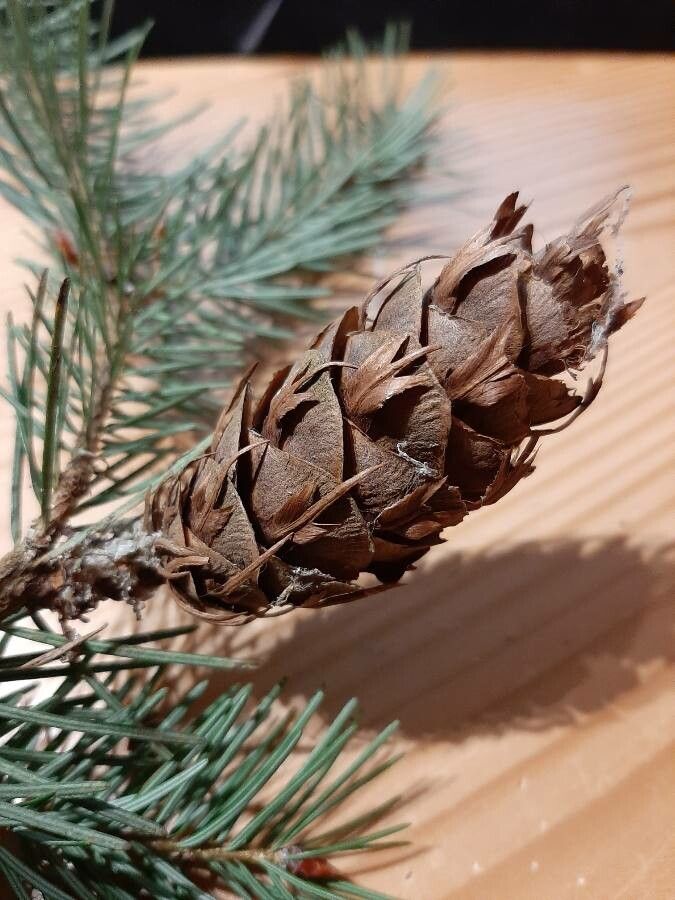
The first step is to collect your seeds. This is best done in the fall after cones mature. Look for brown cones that are slightly open, releasing the small, winged seeds. You can collect the cones directly from the tree or find them on the ground. Once collected, spread the cones out to dry in a warm, dry place. Gently shake the cones after a few days to release the seeds.
Seed Preparation:
Douglas Fir seeds require a period of cold stratification before they will germinate. This mimics the natural winter conditions they experience in the wild. Place the seeds in a container with moistened peat moss or vermiculite, and refrigerate them for 60-90 days at a temperature between 32-40 degrees Fahrenheit.
Planting the Seeds:
After stratification, your seeds are ready to be planted. Choose a location with well-drained soil and a consistent moisture level. You can sow the seeds directly outside in early spring, or start them indoors in seed trays filled with a seed starting mix. Scatter the seeds thinly on the surface and cover them with a light layer of soil. Keep the soil consistently moist, but not soggy.
The Growing Process:
Seeds require a few weeks to germinate. Once seedlings emerge, provide them with plenty of sunlight. Douglas Firs are relatively fast-growing, reaching about a foot in height in their first year. Keep the soil consistently moist, and fertilize every few weeks with a general-purpose plant food. Thin out the seedlings if they are growing too close together.
Transplanting:
When the seedlings have reached a height of 6-12 inches, they can be transplanted to their permanent location. Dig a hole twice as wide as the root ball and the same depth. Gently remove the seedling from its container and place it in the hole, ensuring the root ball is level with the ground. Backfill the hole with soil, and water thoroughly.
Maintenance:
Once established, Douglas Firs are relatively low-maintenance. They prefer well-drained soil and adequate water, especially during the first few years after planting. You can prune your Douglas Fir to shape it or control its height. Be sure to fertilize your tree annually with a balanced fertilizer in the early spring.
Enjoy the Journey:
Growing a Douglas Fir from seed is a rewarding experience. It allows you to connect with nature and witness the journey of a tree from its humble beginnings to its towering majesty. As your tree grows, it will provide shade, habitat for wildlife, and a beautiful addition to your landscape.
Extra Tips:
- Choose a variety of Douglas Fir that is appropriate for your climate and soil conditions.
- Protect your seedlings from insects and diseases.
- Be patient and enjoy the process of watching your Douglas Fir grow over the years.
Whether you’re looking for a new outdoor project or just want to add a touch of the Pacific Northwest to your home, propagating your own Douglas Fir is a rewarding and fulfilling experience. So grab some seeds and start growing your own tree today!