
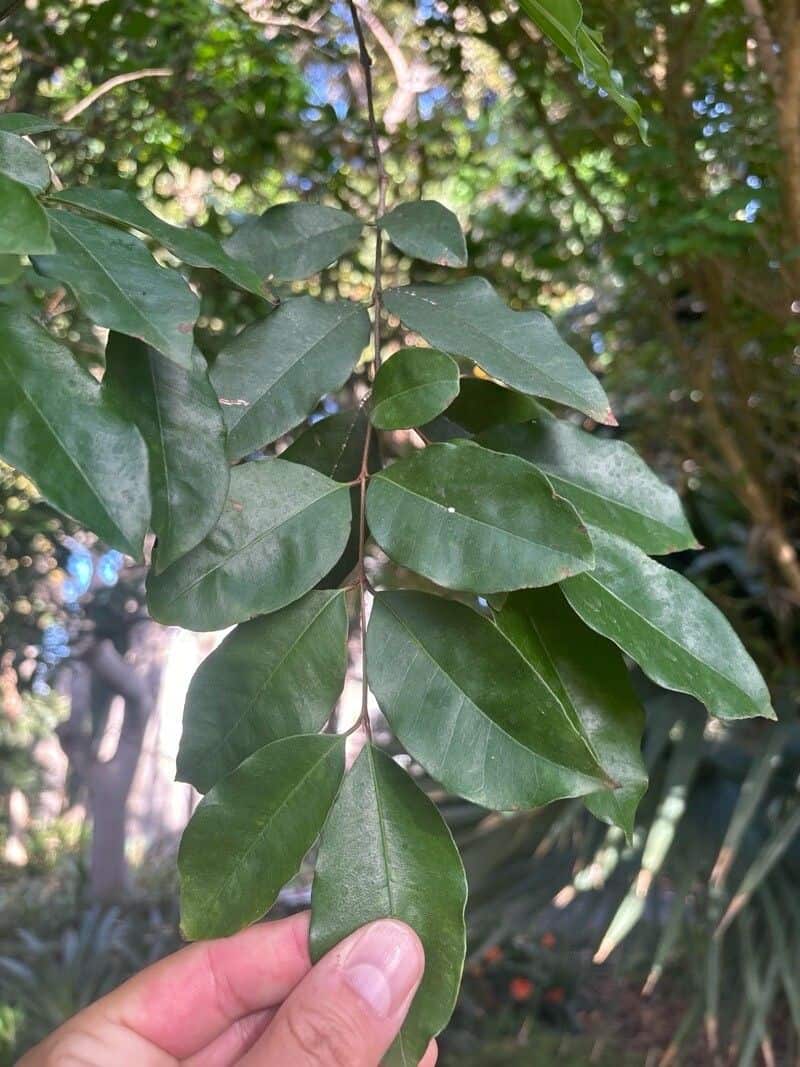
Unlocking the Secrets of Costa Rican Guava: A Guide to Propagating Psidium friedrichsthalianum
The Costa Rican Guava, also known as Psidium friedrichsthalianum, is a tropical fruit tree prized for its tart, juicy fruits and beautiful, glossy leaves. While perhaps not as widely known as its close relative, the common guava, this unique tree offers a world of flavor and a touch of the exotic to any garden lucky enough to host it. If you’re thinking of welcoming this tropical beauty into your life, understanding propagation is key.
This guide will explore two common methods for propagating Psidium friedrichsthalianum:
1. Seed Propagation:
This method, while requiring a bit more patience, offers the reward of witnessing the entire life cycle of your Costa Rican Guava.
- Seed Collection: The adventure begins with sourcing ripe fruits. Look for plump, fragrant guavas with a slight give when gently squeezed. Extract the seeds, rinse them thoroughly to remove any pulp, and allow them to dry for a day or two.
- Sowing the Seeds: Choose a well-draining seed starting mix. Plant the seeds about half an inch deep and mist the soil gently.
- Providing the Right Environment: Warmth and humidity are vital for germination. Consider creating a mini-greenhouse effect by covering the pots with plastic wrap or using a humidity dome.
- Patience is Key: Germination can take anywhere from a few weeks to a couple of months. Be patient, and be sure to keep the soil consistently moist but not waterlogged.
2. Propagation from Cuttings:
For a faster and often more reliable method, consider propagating from cuttings.
- Choosing the Right Cuttings: Select healthy, semi-hardwood cuttings from the current year’s growth. These should be about 4-6 inches long with several nodes.
- Preparing the Cuttings: Remove the leaves from the bottom third of the cutting. You can dip the cut end in rooting hormone to encourage root development, though it’s not strictly necessary.
- Planting the Cuttings: Plant the cuttings in a well-draining potting mix, burying at least two nodes below the surface.
- Creating a Humid Environment: Similar to seed propagation, maintaining humidity is crucial for successful rooting. Cover the pot with a plastic bag or use a propagation dome.
- Monitoring Progress: In a few weeks, you should start to see new growth, a sign that your cuttings have successfully rooted.
Important Considerations for Success:
- Light: Psidium friedrichsthalianum thrives in full sun to partial shade.
- Soil: A well-draining soil is essential. Amend heavy clay soils with organic matter to improve drainage.
- Watering: While this tropical tree enjoys consistent moisture, be sure to avoid overwatering which can lead to root rot.
- Fertilizing: Feed your Costa Rican Guava with a balanced fertilizer during the growing season.
Propagating Psidium friedrichsthalianum is a rewarding endeavor, offering the satisfaction of growing your very own tropical fruit tree. Whether you choose to start from seed or cuttings, the key is to provide the right environment and a touch of patience. Soon enough, you’ll be rewarded with the sweet, tangy taste of homegrown Costa Rican Guavas. Happy growing!