
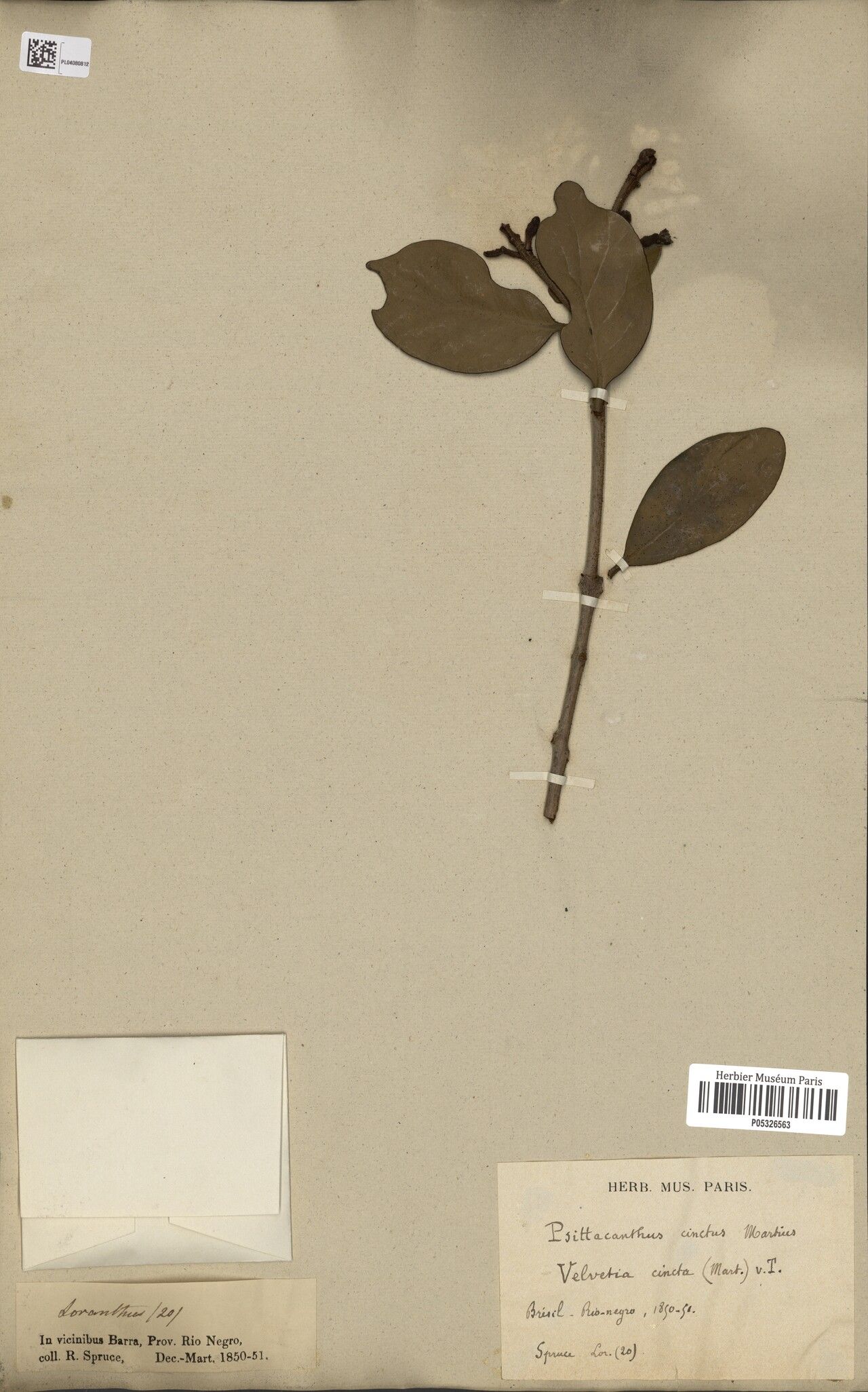
Psittacanthus cinctus: A Bird’s Eye View to Propagation
Psittacanthus cinctus, a name that might seem like a tongue twister, refers to a fascinating plant with an equally fascinating propagation method. Commonly known as the orange mistletoe, this plant isn’t your typical garden variety. It belongs to a special group of plants called mistletoes, known for their unique lifestyle. Instead of rooting in the ground, Psittacanthus cinctus grows on other plants, drawing nutrients and water from its host.
This parasitic nature makes its propagation quite a spectacle. Forget seeds sown in neat rows – we’re talking feathered friends and sticky situations!
Avian Assistants: The Key to Propagation
Like many mistletoes, Psittacanthus cinctus relies heavily on birds for its propagation. Its vibrant orange flowers produce copious amounts of nectar, a sugary treat that birds find irresistible. These avian visitors, particularly hummingbirds and flowerpiercers (birds with specially adapted beaks), act as unwitting pollinators, transferring pollen from one flower to another as they flit about, ensuring the plant’s genetic diversity.
Sticky Seeds and Strategic Placement
But the real magic happens when the flowers develop into fruit. These fleshy berries hold the key to the mistletoe’s dispersal and survival. Each berry contains a single seed encased in a sticky, glue-like substance called viscin.
As birds feast on the ripe berries, the viscin traps the seeds onto their beaks. Unable to resist the urge to clean their beaks, the birds rub them against tree branches, effectively “planting” the seeds onto a potential host.
This sticky situation is no accident. The viscin ensures that the seed adheres firmly to the branch, increasing the chances of successful germination.
From Seed to Sprout: A Parasitic Partnership
Once attached, the Psittacanthus cinctus seed begins to germinate. It sends out a specialized structure called a haustorium, which penetrates the host plant’s tissues, tapping into its water and nutrient supply.
This parasitic relationship, while seemingly harmful, doesn’t always spell doom for the host. In many cases, the host tree and the mistletoe coexist, with the mistletoe taking only what it needs. However, in large numbers or under stressful conditions, Psittacanthus cinctus can weaken its host, making it susceptible to diseases and pests.
A Delicate Balance: Propagation in the Wild
The propagation of Psittacanthus cinctus highlights the delicate balance within ecosystems. It showcases the fascinating interdependence between plants and animals, where birds play a crucial role in the survival and dispersal of this unique mistletoe species.
While Psittacanthus cinctus isn’t your typical houseplant, understanding its peculiar propagation method offers a glimpse into the remarkable adaptations and interactions that shape the natural world. It reminds us that even parasites can be fascinating, especially when they rely on sticky seeds and feathered friends for their continued existence.