
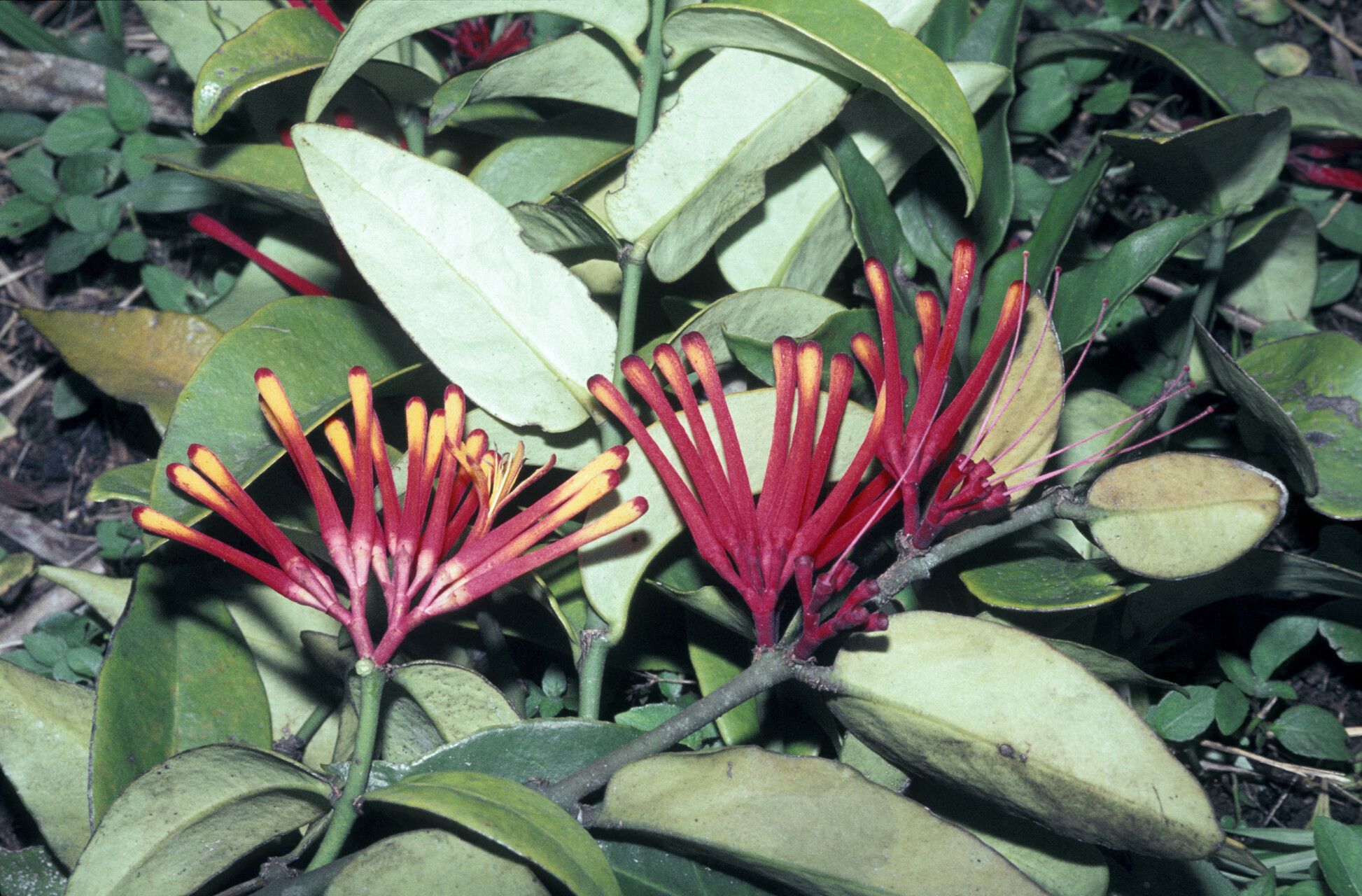
Psittacanthus grandifolius: Sharing the Love (And Seeds!) of this Spectacular Mistletoe
Psittacanthus grandifolius, with its vibrant orange blooms and lush foliage, might just be the most beautiful parasite you’ve ever encountered! This stunning member of the mistletoe family, found gracing the branches of trees in parts of South America, is a sight to behold. And while propagating most parasites isn’t exactly encouraged, understanding how to share this beauty responsibly is a journey worth taking.
Before we dive in, it’s crucial to remember that Psittacanthus grandifolius is a hemiparasite. This means it can photosynthesize and produce some of its own food but still relies on a host tree for water and nutrients. Therefore, ethical propagation ensures the well-being of both the mistletoe and its chosen host.
Spreading the Love: The Art of Seed Dispersal
In the wild, Psittacanthus grandifolius relies on feathered friends for its propagation success. Hummingbirds, drawn to the copious nectar of its large, showy flowers, play a crucial role in pollination. Once pollinated, the flowers give way to small, sticky berries. These berries hold the key to the plant’s propagation – the seeds!
But these seeds aren’t your average, wind-dispersed variety. Instead, they require a more direct approach, and this is where nature gets resourceful. Birds, particularly those with a penchant for mistletoe berries, feast on the fruit. The sticky seeds, encased within, cling to the bird’s beak. Unable to resist the urge to clean themselves, the birds rub their beaks against branches, effectively “planting” the seeds onto potential host trees.
Can You Recreate the Magic at Home?
While challenging, propagating Psittacanthus grandifolius at home is possible, albeit with a few caveats. Here’s a simplified breakdown:
Seed Source: Obtaining seeds from a reputable source is key. This ensures ethical sourcing and increases the likelihood of success.
Host Tree Selection: Choosing the right host tree is crucial. Research which species naturally host Psittacanthus grandifolius in its native habitat and try to replicate those conditions. Remember, a healthy host tree is paramount to the mistletoe’s survival.
- The “Sticky” Situation: Mimicking the bird’s role involves gently pressing ripe berries, sourced from your ethically-obtained plant, onto the branches of your chosen host tree. The sticky coating around the seeds will help them adhere. However, remember that the success rate of this method can be low due to various factors like climate and host compatibility.
A Word of Caution
Before embarking on your propagation journey, it’s crucial to consider the following:
- Legality: Check local regulations regarding mistletoe propagation, especially if dealing with a protected species.
- Environmental Impact: Introducing a new plant species, even within its native range, can have unforeseen consequences on the local ecosystem. Thoroughly research and consider potential impacts before proceeding.
- Responsible Gardening: Be a responsible plant enthusiast. Avoid introducing potentially invasive species and always prioritize the well-being of the environment.
Propagating Psittacanthus grandifolius is a testament to the intricate dance between plants and animals. While replicating this intricate process at home requires patience and careful consideration, the reward of nurturing this striking mistletoe, even if only observed in its natural habitat, makes appreciating its unique life cycle all the more worthwhile.