
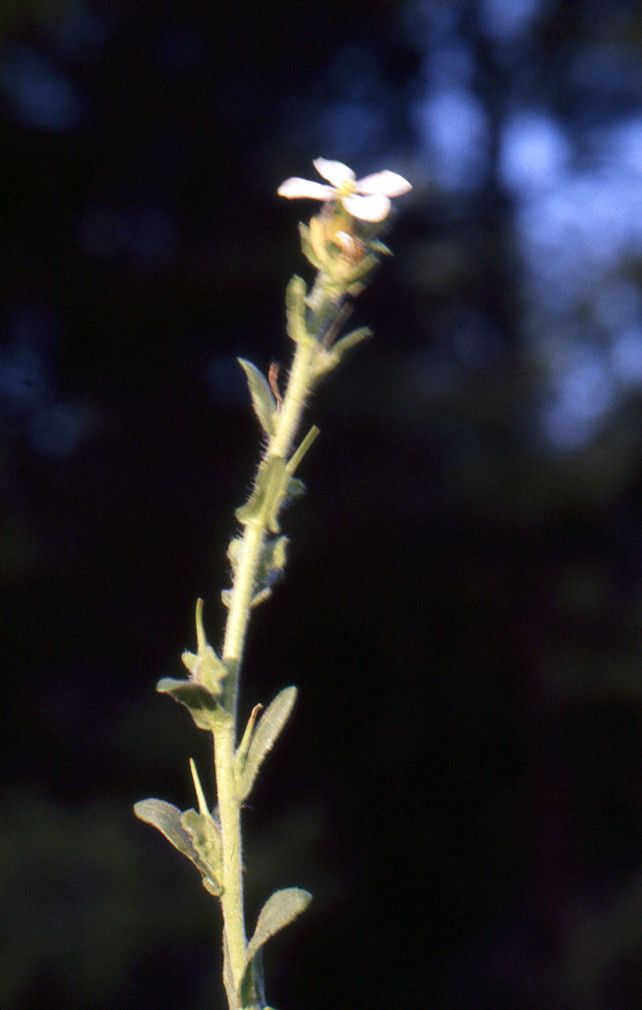
Unlocking the Secrets of the Panda Flower: A Guide to Psychine Stylosa Propagation
The Psychine stylosa, affectionately known as the Panda Flower thanks to its charming black and white blooms, is a captivating addition to any garden. This South American native, with its delicate flowers and lush foliage, is surprisingly easy to propagate, allowing enthusiasts of all levels to welcome more of these delightful plants into their lives. So, whether you’re a seasoned green thumb or just starting your plant journey, join us as we delve into the fascinating world of Psychine stylosa propagation!
Two Roads to Success: Seed vs. Cuttings
When it comes to propagating your Panda Flower, you have two primary options: seeds and cuttings. Each method offers its unique advantages and challenges:
1. Starting from Seed: A Rewarding Journey (With a Little Patience)
Propagating Psychine stylosa from seed is an incredibly rewarding experience, allowing you to witness the plant’s full life cycle. While this method requires a touch more patience, the joy of nurturing a plant from its very beginning is unparalleled.
Here’s what you need to know:
- Sourcing Seeds: Psychine stylosa seeds can be harvested from existing plants or purchased from reputable online retailers and nurseries.
- Sowing the Seeds: Sow the seeds in a well-draining seed starting mix, lightly pressing them into the surface. Keep the soil consistently moist but not waterlogged.
- Providing Optimal Conditions: Place the seed tray in a warm, bright location out of direct sunlight. A heat mat can be beneficial for maintaining consistent temperatures.
- Germination: With patience and proper care, you should see germination within 2-4 weeks.
2. Cuttings: A Faster Route to New Growth
If you’re seeking quicker results, propagating from cuttings is the way to go. This method involves taking a section of an existing healthy stem and encouraging it to develop roots.
Here’s how to propagate Psychine stylosa from cuttings:
- Choosing the Right Cutting: Select a healthy, non-flowering stem that’s around 4-6 inches long. Using clean, sharp shears, make a cut just below a leaf node.
- Preparing the Cutting: Remove the lower leaves from the cutting, leaving 2-3 leaves at the top.
- Rooting Hormone (Optional): While not strictly necessary, dipping the cut end in rooting hormone can encourage faster and stronger root development.
- Planting the Cutting: Plant the cutting in a well-draining potting mix, burying the bottom node.
- Creating a Humid Environment: Cover the pot with a clear plastic bag or use a propagation dome to maintain high humidity levels, crucial for root development.
- Patience is Key: Typically within 4-6 weeks, your cutting should develop a healthy root system, and you can then transplant it into its own pot.
Nurturing Your New Panda Flowers
Regardless of your chosen propagation method, providing your new Psychine stylosa plants with the right care is essential for their growth and well-being. Here are some tips:
- Light: Place your plants in a location with bright, indirect light.
- Water: Water regularly, allowing the soil to dry slightly between waterings. Avoid overwatering, which can lead to root rot.
- Humidity: Provide moderate to high humidity levels, especially during the rooting phase. Misting regularly or using a humidifier can help.
- Fertilizer: Feed your plants with a balanced, water-soluble fertilizer diluted to half strength every 2-4 weeks during the growing season.
Propagating Psychine stylosa is a rewarding endeavor that allows you to expand your plant collection while witnessing the magic of plant propagation firsthand. So, why not try your hand at both methods and discover the joy of nurturing these captivating Panda Flowers?