
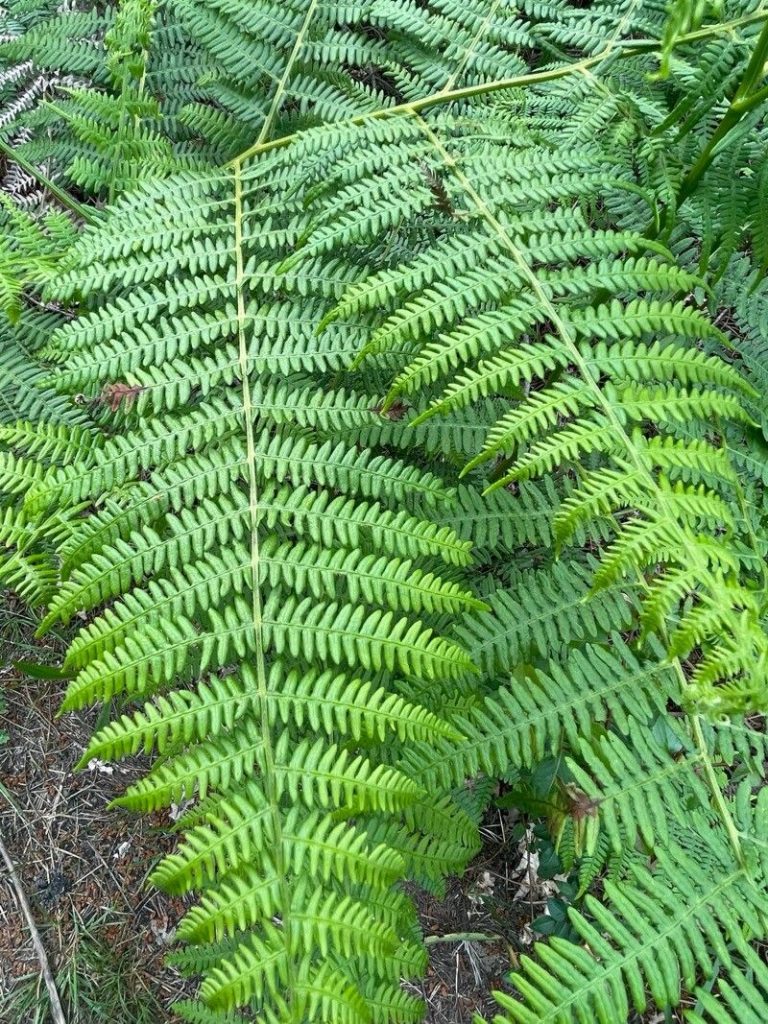
Propagating Bracken Fern (Pteridium aquilinum): A Challenging but Rewarding Endeavour
Introduction:
Pteridium aquilinum, commonly known as bracken fern, is a robust and widespread fern species recognizable by its large, triangular fronds and distinctive branching pattern. While often considered an invasive weed in many regions, bracken fern possesses a certain horticultural appeal for those seeking a hardy, dramatic foliage plant for woodland gardens or naturalistic landscapes. Its rapid growth and ability to colonize areas make it a fascinating subject for propagation, although the process presents significant challenges. While its widespread presence suggests ease of propagation, achieving reliable results requires a specialized approach.
Seed Germination:
Currently, there are no known reliable methods for seed germination propagation of Pteridium aquilinum. Bracken fern relies primarily on vegetative propagation, and successful seed germination is exceptionally rare, even under optimal conditions. Spores produced in abundance are often infertile, and even when viable, germination requirements remain largely unknown and difficult to replicate artificially.
Cuttings:
Cuttings are also not a reliable method for propagating bracken fern. While the rhizomes are exceptionally vigorous, taking cuttings from these underground stems rarely results in successful plant establishment. The cutting needs to be large enough to supply sufficient nutrients until sufficient root development has occurred. The cut surfaces are also prone to fungal infections, resulting in rotting before new growth can emerge.
Division:
Division offers the most reliable method for propagating Pteridium aquilinum. This involves carefully separating established rhizomes into smaller sections, each containing healthy buds and a portion of the root system.
Challenges: Dividing bracken rhizomes requires strong tools and a certain amount of muscle. The rhizomes are tough and deeply rooted, requiring careful excavation to avoid damaging the fragile buds.
Practical Tips: The best time for division is in early spring or late autumn. Each division should be at least 10-15cm long and contain several buds. Plant the divisions immediately in well-drained, slightly acidic soil in a partially shaded location, ensuring good soil contact around the rhizome sections.
Rewards: Division offers a relatively high success rate compared to other methods and allows for quick establishment of new plants. This method is ideal for gardeners seeking to expand their existing bracken fern patches.
Tissue Culture:
Tissue culture offers the potential for mass propagation of bracken fern, although this method is highly specialized and usually carried out in laboratory settings.
Challenges: Developing a successful tissue culture protocol for Pteridium aquilinum requires considerable expertise and specialized equipment. Sterile conditions are crucial to prevent contamination, and finding the right combination of growth hormones and nutrient media is essential for successful shoot multiplication and rooting.
Practical Tips: This method is beyond the scope of most home gardeners. It needs expertise of plant tissue culture laboratory.
Rewards: Tissue culture offers the potential for generating large numbers of genetically identical plants from a single parent plant. This is particularly useful for producing disease-resistant clones or cultivating specific varieties.
Conclusion:
Propagating Pteridium aquilinum presents significant challenges across all methods. Seed germination is effectively impossible, cuttings are unreliable, division offers the most realistic option for the home gardener, and tissue culture requires advanced techniques. Despite these difficulties, the rewards are substantial: successfully cultivating this powerful fern brings a sense of accomplishment, showcasing perseverance and horticultural prowess. The dramatic presence of bracken fern, once established, easily repays the effort. For aspiring propagators, starting with division and focusing on careful handling and proper planting techniques is the most practical approach. Don’t be discouraged by initial setbacks—the tenacity of bracken fern is reflected in its propagation; with patience and a little luck, you too can successfully cultivate this remarkable plant.