
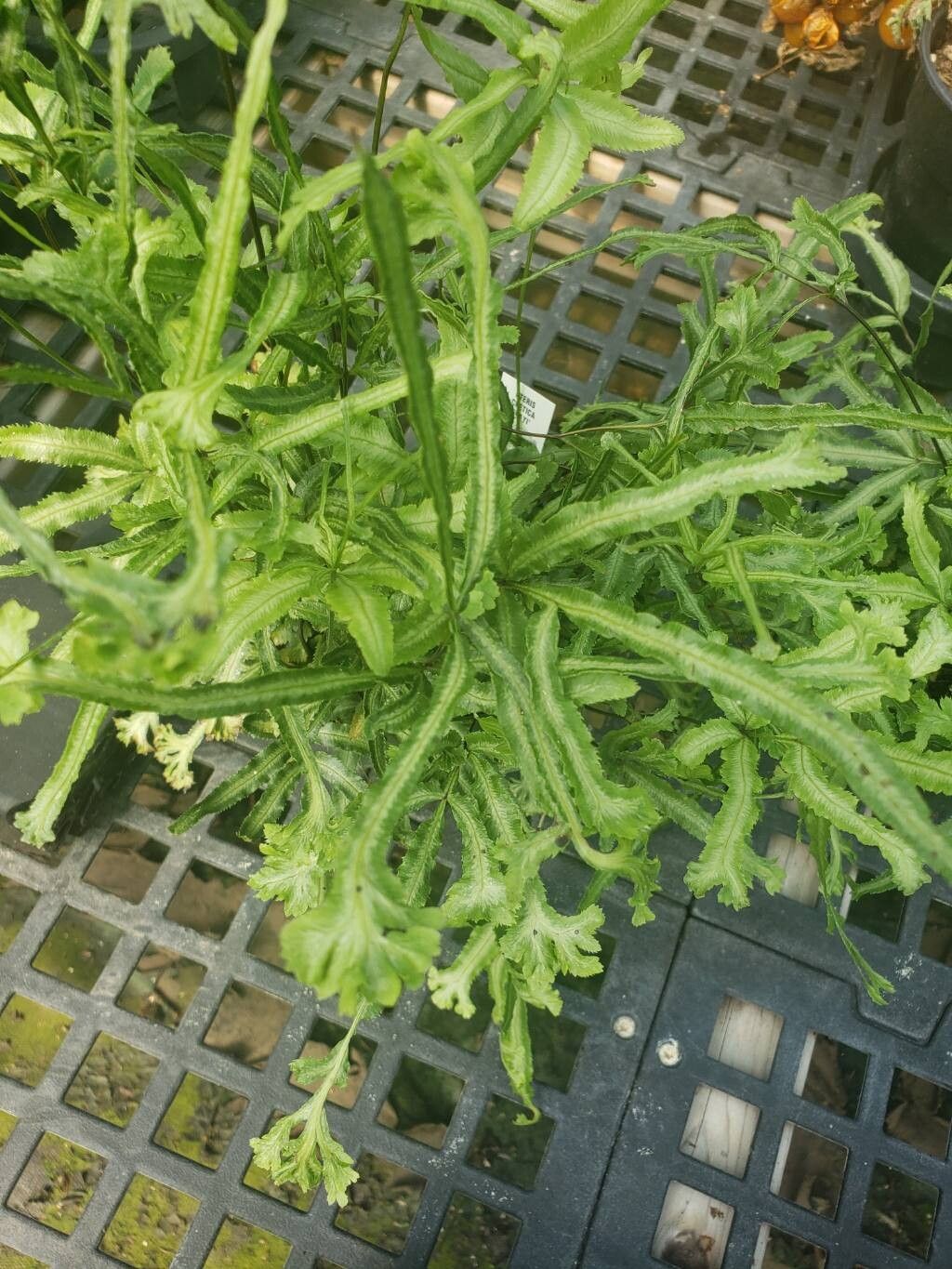
Propagating the Cretan Brake Fern (Pteris cretica): A Gardener’s Guide
Introduction:
Pteris cretica, commonly known as the Cretan brake fern, is a charming and widely popular fern prized for its elegantly divided fronds and relatively easy care. Its vibrant green foliage, often exhibiting variations in color and frond shape depending on the cultivar, makes it a sought-after addition to homes, terrariums, and shaded gardens. While relatively simple to maintain, propagation of Pteris cretica presents unique challenges and rewards, offering a satisfying experience for the dedicated home cultivator. One unique aspect is its adaptability to various propagation methods, although some are significantly more reliable than others.
Seed Germination:
Currently, there are no known reliable methods for seed germination propagation of Pteris cretica. Ferns, unlike seed-bearing plants, primarily reproduce through spores, and even then, spore germination for many species is notoriously difficult and requires exacting conditions. Successfully germinating Pteris cretica spores would necessitate highly controlled environments mimicking the fern’s natural habitat, which is rarely achievable for the average home gardener.
Cuttings:
While leaf cuttings are not a viable method for propagating Pteris cretica, stem cuttings, specifically rhizome cuttings, offer a more promising approach.
Challenges: Rhizome cuttings require careful handling to prevent desiccation and fungal infections. The success rate can be variable, depending on the health of the parent plant and the timing of the propagation.
Practical Tips: Take cuttings from healthy, actively growing rhizomes. Each cutting should ideally include at least one node and a few healthy roots. Plant the cuttings immediately in a well-draining, moist potting mix, keeping the humidity high. Using a humidity dome or plastic bag can significantly improve success rates. Maintain consistent moisture levels but avoid overwatering, which can lead to rot.
Rewards: Rhizome cuttings offer a relatively straightforward method for increasing your stock of Pteris cretica plants, with the resulting plants being genetically identical to the parent.
Division:
Division is the most common and successful propagation method for Pteris cretica.
Challenges: Careful separation of the rhizomes is crucial to avoid damaging the delicate roots. Overly aggressive division can lead to shock and the death of the divided sections.
Practical Tips: Divide the plant during the active growing season (spring or early summer). Gently separate the rhizome into several sections, ensuring each section has a healthy set of roots and fronds. Replant each section in its own pot with a well-draining potting mix. Water thoroughly to help it re-establish itself.
Rewards: Division is a straightforward and highly effective method of propagation, quickly increasing your number of plants. It also facilitates rejuvenation of older, overcrowded plants.
Tissue Culture:
Tissue culture provides a highly controlled environment for propagation.
Challenges: Tissue culture requires specialized equipment, sterile conditions, and a degree of scientific knowledge which is beyond the scope of most home gardeners. It involves manipulating plant cells in a nutrient agar medium to generate new plants.
Practical Tips: This method is best left to professional plant nurseries or research laboratories. The setup and maintenance of a tissue culture lab at home are cost-prohibitive and challenging for the average hobbyist.
Rewards: Tissue culture offers almost guaranteed propagation success and allows for mass production of identical plants.
Conclusion:
Propagating Pteris cretica presents varying levels of difficulty depending on the chosen method. While seed germination is currently unfeasible, division provides the most reliable and accessible method for the home gardener. Rhizome cuttings offer an alternative, albeit with a higher risk of failure. Tissue culture, though highly effective, is beyond the reach of most amateur cultivators. Ultimately, the satisfaction of successfully propagating Pteris cretica, whether through division or cuttings, stems not only from the expansion of your collection but also from overcoming the challenges involved in nurturing these delicate plants. The patience and attention to detail required are rewarded by the beauty and resilience of these charming ferns, making the effort truly worthwhile for any aspiring propagator.