
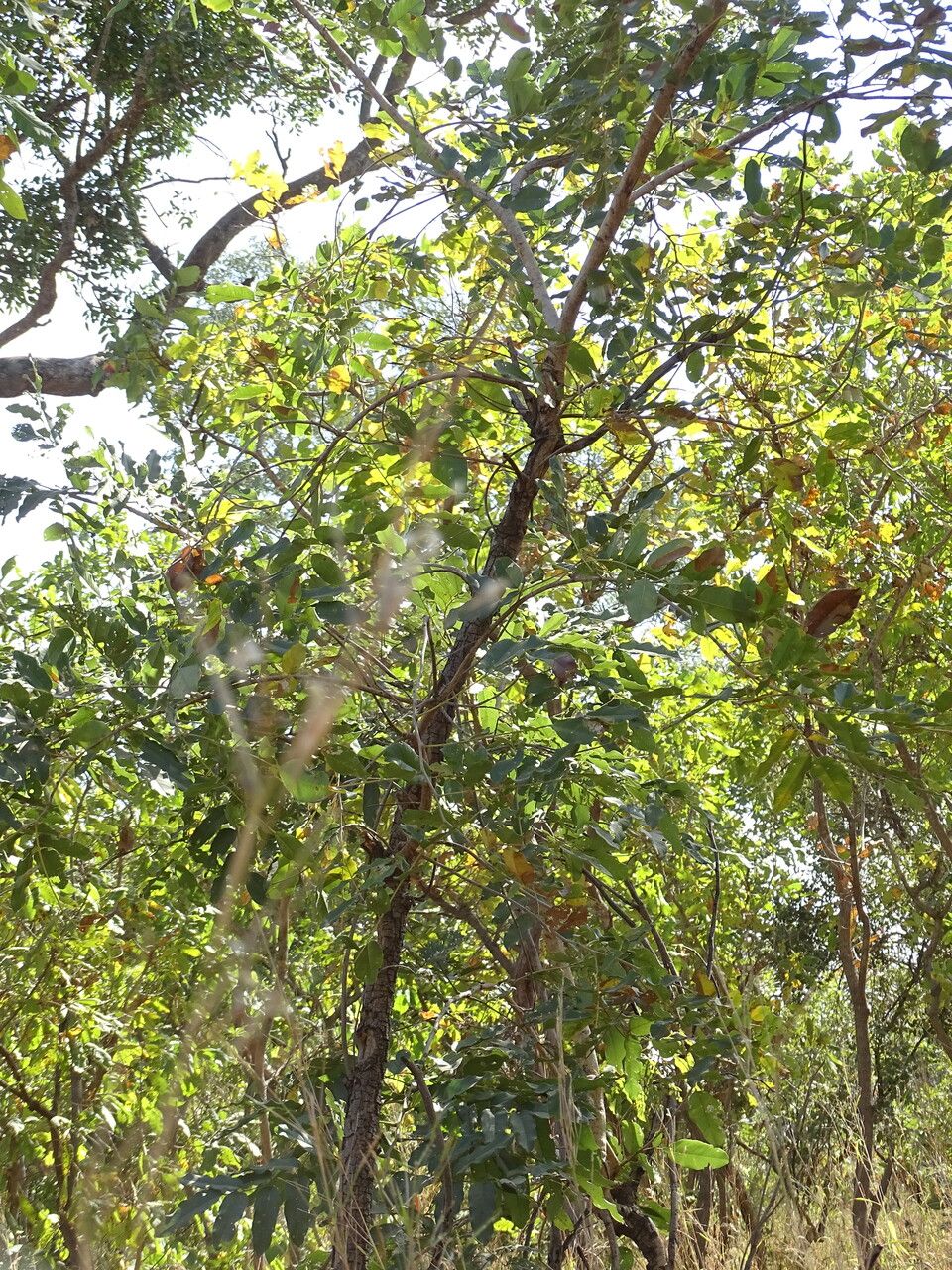
Unveiling the Secrets of the African Teak: A Guide to Propagating Pterocarpus erinaceus
The African teak, known scientifically as Pterocarpus erinaceus, stands as a symbol of strength and resilience across its native African savannas. This majestic tree, prized for its durable timber and medicinal properties, holds the potential for sustainable forestry and economic development. If you’re looking to cultivate this fascinating species, understanding its propagation is key. This guide delves into the methods of propagating Pterocarpus erinaceus, empowering you to contribute to its legacy.
Seeds: The Traditional Path to Propagation
Seed Collection: The journey begins with collecting mature pods from the African teak tree. Look for pods that have turned brown and dry on the tree, indicating seed maturity. These pods typically appear between October and December.
Seed Preparation: The seeds within the pods have a hard outer shell that requires some intervention for successful germination. You can choose between two methods:
- Scarification: This involves carefully nicking or sanding a small portion of the seed coat to allow water penetration.
- Hot Water Treatment: Briefly soaking the seeds in hot (not boiling) water for 24-48 hours can also soften the seed coat.
Sowing: Plant the treated seeds in a well-draining potting mix, about 1-2 cm deep. Maintain consistent moisture and warmth (around 25-30°C) to encourage germination.
- Patience is Key: Germination for Pterocarpus erinaceus can be slow, ranging from a few weeks to a couple of months. Don’t lose heart; continue providing optimal conditions, and you’ll be rewarded with seedlings.
Vegetative Propagation: A Faster Approach
For those seeking quicker results or desiring to maintain specific genetic traits, vegetative propagation offers a viable alternative.
Stem Cuttings: During the early growing season, take healthy stem cuttings (about 10-15 cm long) from mature branches. Remove leaves from the lower portion of the cutting and treat the cut end with a rooting hormone to stimulate root development.
Ideal Environment: Plant the cuttings in a well-draining potting mix and enclose the setup within a humidity chamber or cover it with a plastic bag to retain moisture. Maintain a warm environment and indirect sunlight.
- Rooting and Transplanting: With proper care, roots should develop within several weeks. Once the cuttings show robust root development, they can be transplanted into individual pots or directly into the ground.
Caring for Your African Teak
Regardless of the propagation method chosen, young Pterocarpus erinaceus trees require attentive care to thrive.
Sunlight and Soil: Provide your trees with ample sunlight and well-drained soil. They are adaptable to various soil types but prefer slightly acidic to neutral pH levels.
Watering: Water regularly during the first year, especially during dry periods, to establish a strong root system. However, allow the soil to dry slightly between waterings to prevent root rot.
- Pruning and Training: Regular pruning can help shape the tree and promote a strong central leader.
By embracing either seed propagation or vegetative methods, you can successfully cultivate Pterocarpus erinaceus. Whether you are driven by a desire to restore degraded areas, contribute to sustainable timber production, or simply admire this tree’s resilience and beauty, understanding the art of its propagation empowers you to play a part in ensuring its flourishing future.