
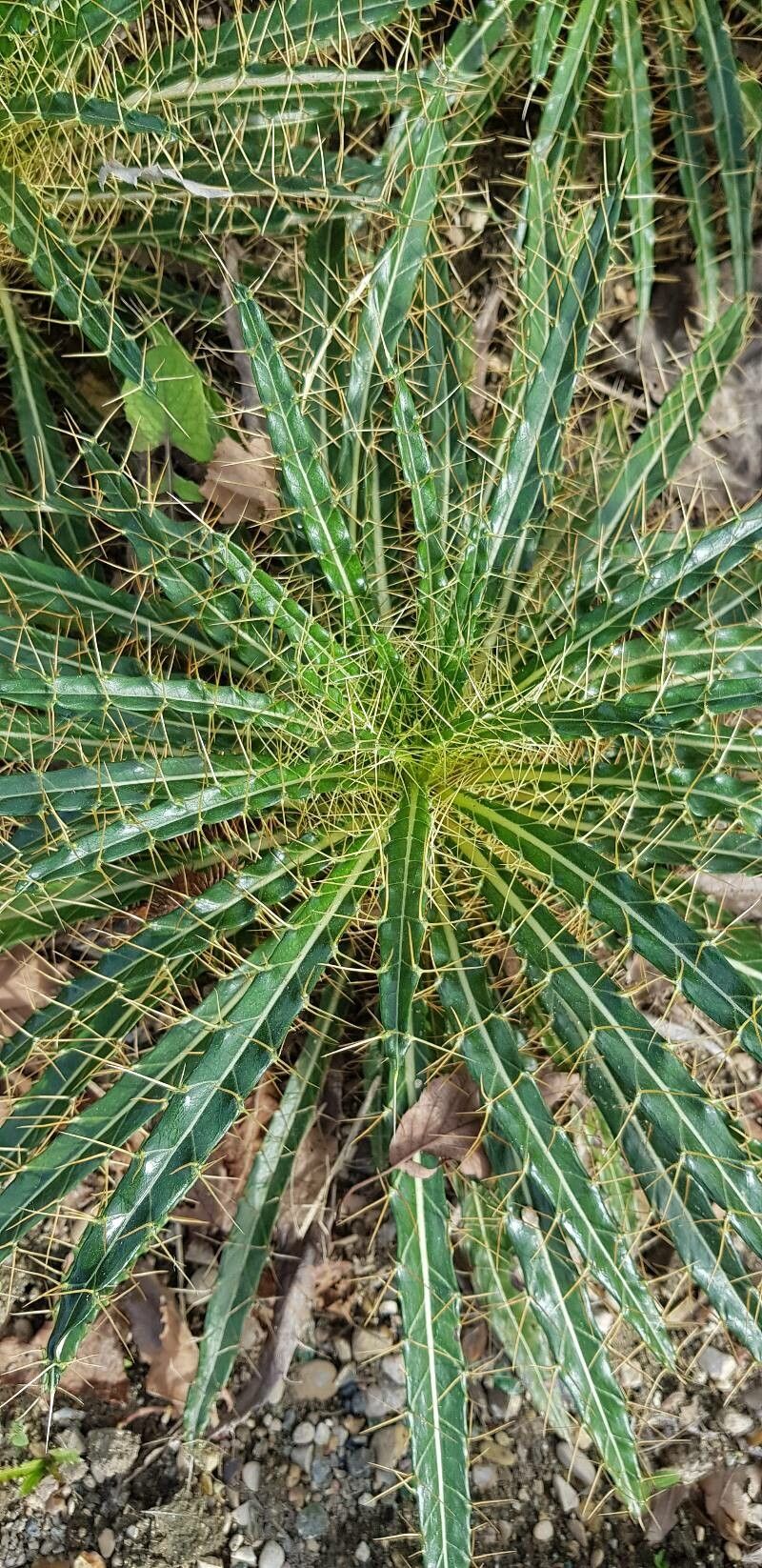
Unlocking the Secrets of Ptilostemon casabonae: A Propagation Guide for Enthusiasts
Ptilostemon casabonae, with its captivating thistle-like blooms and intriguing architectural form, is a plant that whispers sophistication and intrigue. Native to the sun-drenched landscapes of Corsica and Sardinia, this Mediterranean gem, sadly, remains relatively unknown to many plant enthusiasts. If you’re lucky enough to be acquainted with its charm, you’re likely eager to learn the art of propagating this beauty and sharing it with the world.
While not as straightforward as some common garden varieties, propagating Ptilostemon casabonae is an achievable feat with a bit of patience and the right approach. Let’s delve into the two primary methods:
1. Seed Sowing: Embracing the Element of Surprise
Propagating from seed offers an adventure, as you’ll witness the entire lifecycle of your Ptilostemon casabonae. Here’s how:
- Seed Collection: Allow the spent flowers to mature fully on the plant. Once dry, carefully collect the seed heads and extract the seeds.
- Sowing Time: Spring is ideal, offering warmth and ample sunlight for germination.
- Sowing Medium: Opt for a well-draining seed starting mix.
- Sowing Depth: Scatter seeds on the surface and lightly press them in; they need light to germinate.
- Moisture: Maintain consistent moisture without waterlogging.
- Warmth & Light: A warm, brightly lit location, but out of direct sunlight, is ideal.
- Germination: Be patient! Germination can take anywhere from a few weeks to a couple of months.
- Transplanting: Once seedlings have developed several true leaves, transplant them into individual pots.
Note: Ptilostemon casabonae grown from seed can exhibit variations in flower color and form, adding an element of delightful surprise to your gardening endeavor.
2. Basal Cuttings: Cloning Your Beloved Plant
Basal cuttings involve taking a cutting from the base of the plant, encouraging it to develop roots and become a clone of its parent. Here’s the process:
- Timing is Key: Early spring, just before new growth emerges, is optimal.
- Selecting the Cutting: Choose a healthy, non-flowering stem at the base of the plant.
- Preparing the Cutting: Make a clean cut just below a leaf node. Remove lower leaves, leaving 2-3 pairs at the top.
- Rooting Hormone (Optional): While not essential, dipping the cut end in rooting hormone can improve success rates.
- Potting Mix: Use a well-draining mix, similar to the seed starting blend.
- Planting: Insert the cutting into the moistened mix, burying at least one leaf node.
- Humidity Dome: Cover the pot with a plastic bag or humidity dome to create a warm, humid environment.
- Indirect Light & Warmth: Place the cutting in a well-lit location out of direct sunlight.
- Rooting Time: Be patient; rooting may take several weeks.
- Transplanting: Once roots have developed and new growth emerges, transplant into individual pots.
Challenges and Troubleshooting
- Rotting: Overwatering is the nemesis! Ensure excellent drainage and avoid overwatering.
- Lack of Rooting: Cuttings taken at the wrong time or kept in unfavorable conditions may fail to root.
- Pests: Keep an eye out for common pests and address them promptly.
Propagating Ptilostemon casabonae can be an immensely rewarding experience. With a little knowledge, a dash of patience, and a whole lot of love, you can successfully multiply your collection of this stunning Mediterranean gem, ensuring its beauty graces gardens for generations to come.