
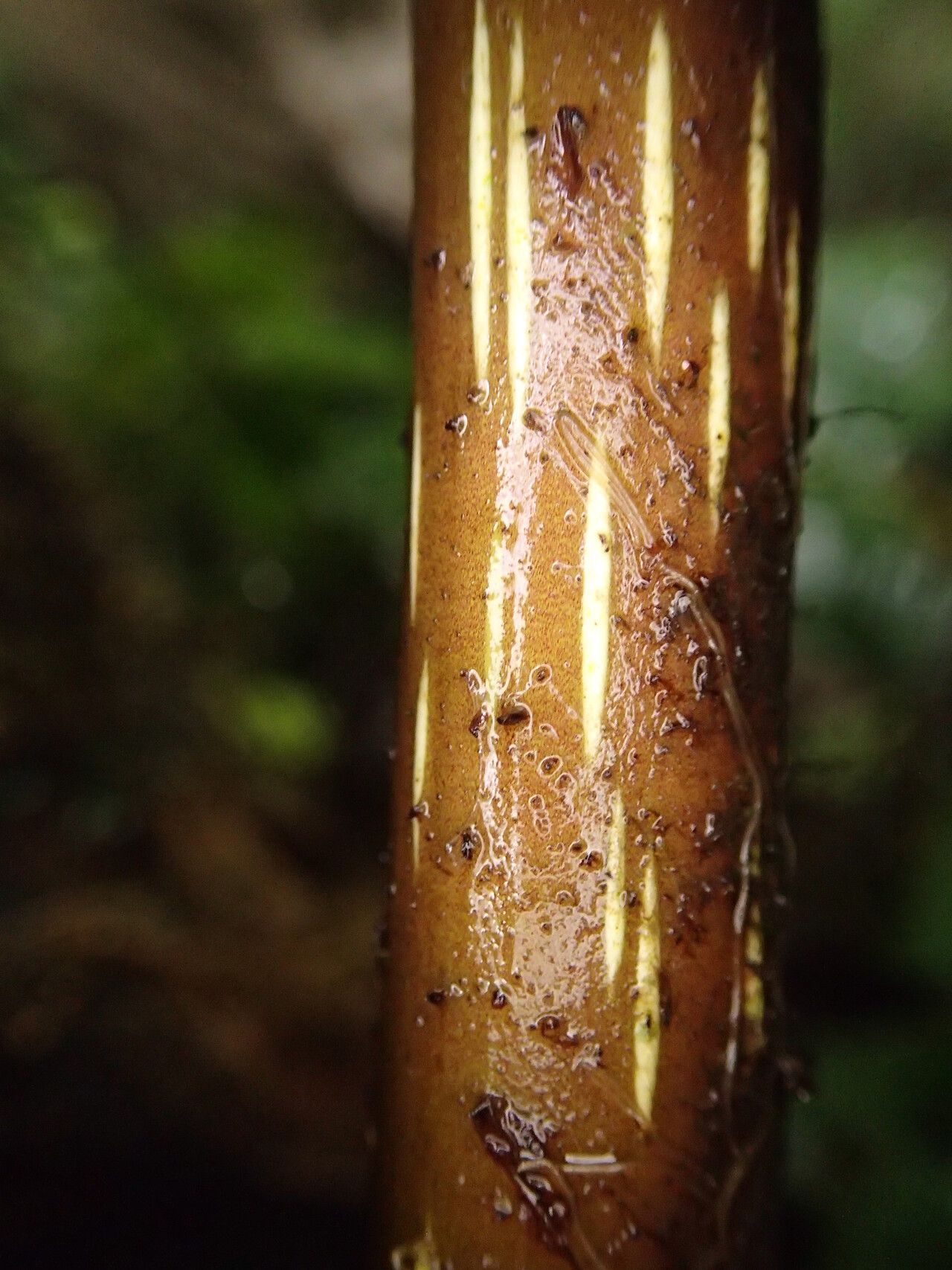
Unlocking the Secrets of the King Fern: A Guide to Propagating Ptisana salicina
The King Fern, also known as Ptisana salicina (previously Ptisana senterreana), is a majestic giant in the fern world, boasting fronds that can reach up to six meters long! Its prehistoric charm and lush tropical aesthetic make it a coveted addition to gardens in suitable climates. But acquiring this botanical monarch can be tricky. Propagating King Ferns isn’t as straightforward as with some plants, but fear not! With a bit of knowledge and patience, you too can welcome this magnificent fern into your home.
Understanding the Life Cycle:
Before embarking on your propagation journey, it’s essential to understand the King Fern’s life cycle. Unlike flowering plants that reproduce through seeds, ferns utilize spores. These tiny, dust-like structures are housed in structures called sporangia, grouped into sori, usually found on the underside of mature fronds.
Methods of Propagation:
1. Spore Propagation:
This method, though more time-consuming, offers a rewarding experience for patient gardeners:
- Collecting Spores: Identify mature, darkened sori on the underside of fronds. Carefully cut a frond section and place it in a paper bag, spore side down, and allow it to dry for a few days. The dry spores will be released into the bag.
- Preparing the Spore Medium: Moisten a sterile seed starting mix or a peat-based medium and fill small pots or trays.
- Sowing Spores: Gently sprinkle the collected spores over the damp medium but avoid burying them. Mist with water and cover the container with clear plastic wrap or a humidity dome to create a warm, humid environment.
- Germination: Place the container in a brightly lit area, but avoid direct sunlight. Germination can take several weeks to months. Maintaining consistent moisture and warmth is crucial during this phase.
- Transplanting: Once the fern gametophytes (tiny, heart-shaped structures) develop and produce small fronds, they can be carefully transplanted into individual pots filled with well-draining, fertile soil.
2. Division:
While not as common as spore propagation, established King Ferns can sometimes be divided:
- Timing: Early spring, before the onset of new growth, is the best time for division.
- Dividing the Plant: Carefully dig up the fern, ensuring minimal damage to the root system. Using a sharp, clean knife, divide the rhizome (the fern’s underground stem) into sections, ensuring that each section has healthy roots and at least one frond.
- Repotting: Plant the divided sections in well-draining soil, keeping the crown (where the fronds emerge) at or slightly above soil level. Water thoroughly.
Caring for Your Propagated King Fern:
King Ferns thrive in humid environments with dappled light, mimicking their natural rainforest habitat. Keep the soil consistently moist but avoid waterlogging, which can lead to root rot. Regular misting can help maintain the humidity levels. Fertilize your fern occasionally during the growing season with a balanced, diluted fertilizer.
Patience is Key:
Propagating King Ferns, especially from spores, requires patience and dedication. But the reward of witnessing these ancient giants unfurl their magnificent fronds in your own garden makes the effort worthwhile. So, embrace the challenge, channel your inner fern enthusiast, and experience the magic of propagation!