
Propagating Pulsatilla dahurica: A Gardener’s Challenge and Reward
Introduction:
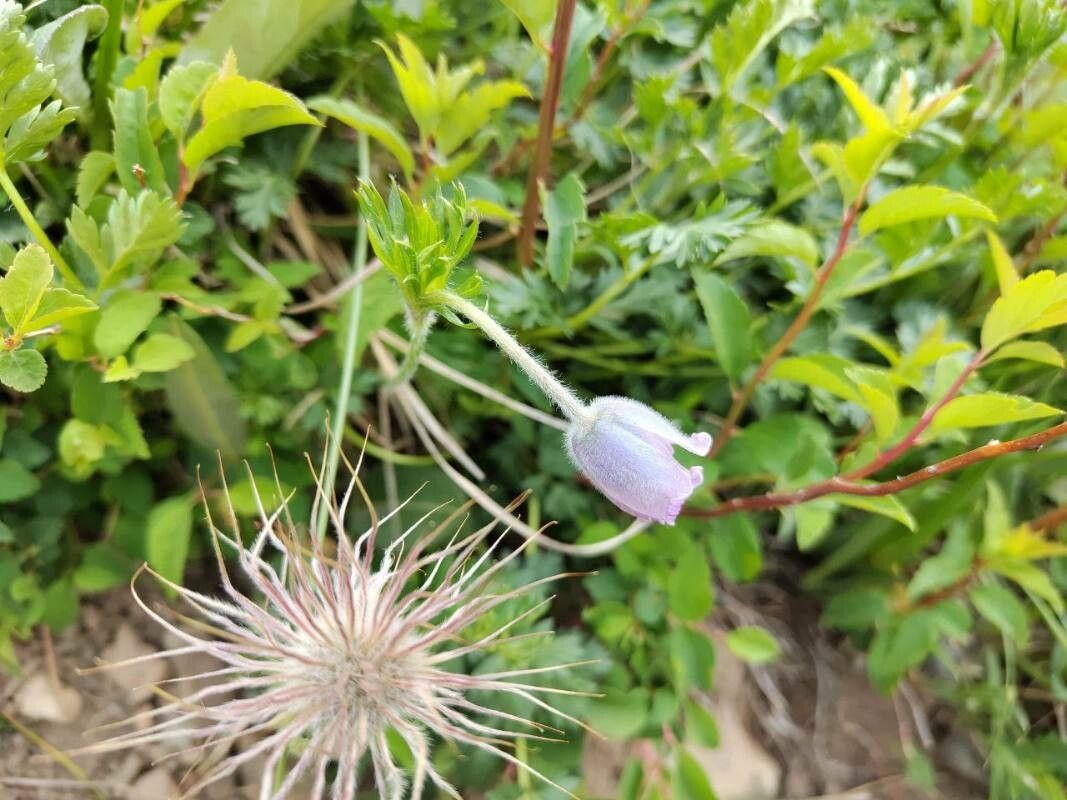
Pulsatilla dahurica, also known as the Dahurian pasqueflower, is a captivating perennial prized for its delicate, bell-shaped flowers that appear in early spring, often before the foliage emerges. These flowers boast a range of stunning colours, from deep violet-blue to soft lavender, adding a touch of ethereal beauty to any garden. Its fuzzy foliage and seed heads further enhance its ornamental value, making it a sought-after plant among gardeners. However, propagating this species can be challenging, making successful cultivation that much more rewarding. The plant’s relatively slow growth adds to the unique satisfaction of propagating it.
Seed Germination:
Seed germination is a viable method for propagating Pulsatilla dahurica, but it presents significant challenges. The seeds require a period of stratification, mimicking the winter conditions they would experience in their natural environment. This process typically involves exposing the seeds to cold, moist conditions for several months, ideally 8-12 weeks, before sowing. Successful stratification can be achieved by mixing the seeds with moist perlite or vermiculite and storing them in a refrigerator at temperatures just above freezing.
Sowing should be done in a well-drained seed-starting mix in shallow containers. Keep the mix consistently moist but never waterlogged. Germination can be slow and uneven, sometimes taking several months. Patience is key.
Rewards: Seed-grown Pulsatilla dahurica offer the advantage of genetic diversity, leading to a wider range of plant characteristics in the resulting offspring. This method also allows for potentially large-scale propagation, ideal for nurseries or individuals seeking many plants.
Cuttings:
Currently, there are no known reliable methods for propagation of Pulsatilla dahurica from cuttings.
Division:
Division is a generally more successful method compared to seed propagation. This involves carefully separating established clumps into smaller sections, each containing healthy roots and shoots. The best time for division is in autumn or early spring, after flowering has finished. Handle the roots with care to avoid damage. Plant the divisions immediately in well-drained, composted soil, ensuring good soil contact around the roots. Successful division relies on having mature plants with well-established root systems.
Rewards: Division offers a quicker way to increase the number of plants compared to seed germination, inheriting the parent plant’s characteristics. This method minimizes the uncertainty associated with seed germination. However, it only allows for propagation of the existing plant’s genetic material, therefore lacking genetic diversity.
Tissue Culture:
While tissue culture techniques have been successful with other closely related species, research on the specific application of tissue culture to Pulsatilla dahurica is limited. More research is needed to determine its viability as a propagation method. At present it is not a widely used technique.
Conclusion:
Propagating Pulsatilla dahurica presents unique challenges, with seed germination being a slow and potentially unpredictable process while cuttings have proven unreliable. Division, while more effective than seed, is limited by the availability of mature plants. The potential of tissue culture remains largely unexplored.
However, the rewards of successfully cultivating this beautiful plant far outweigh the difficulties. The unique satisfaction of nurturing a tiny seed into a blooming pasqueflower, or dividing a mature plant to propagate its beauty, is a testament to the gardener’s perseverance and patience. For aspiring propagators, I recommend starting with division if mature plants are available and attempting seed germination with prepared stratification. Focus on creating the ideal growing conditions and be prepared for a wait; the eventual bloom will be well worth the effort. The delicate beauty of Pulsatilla dahurica, coupled with the fulfillment of successful propagation, makes it a truly rewarding pursuit.