
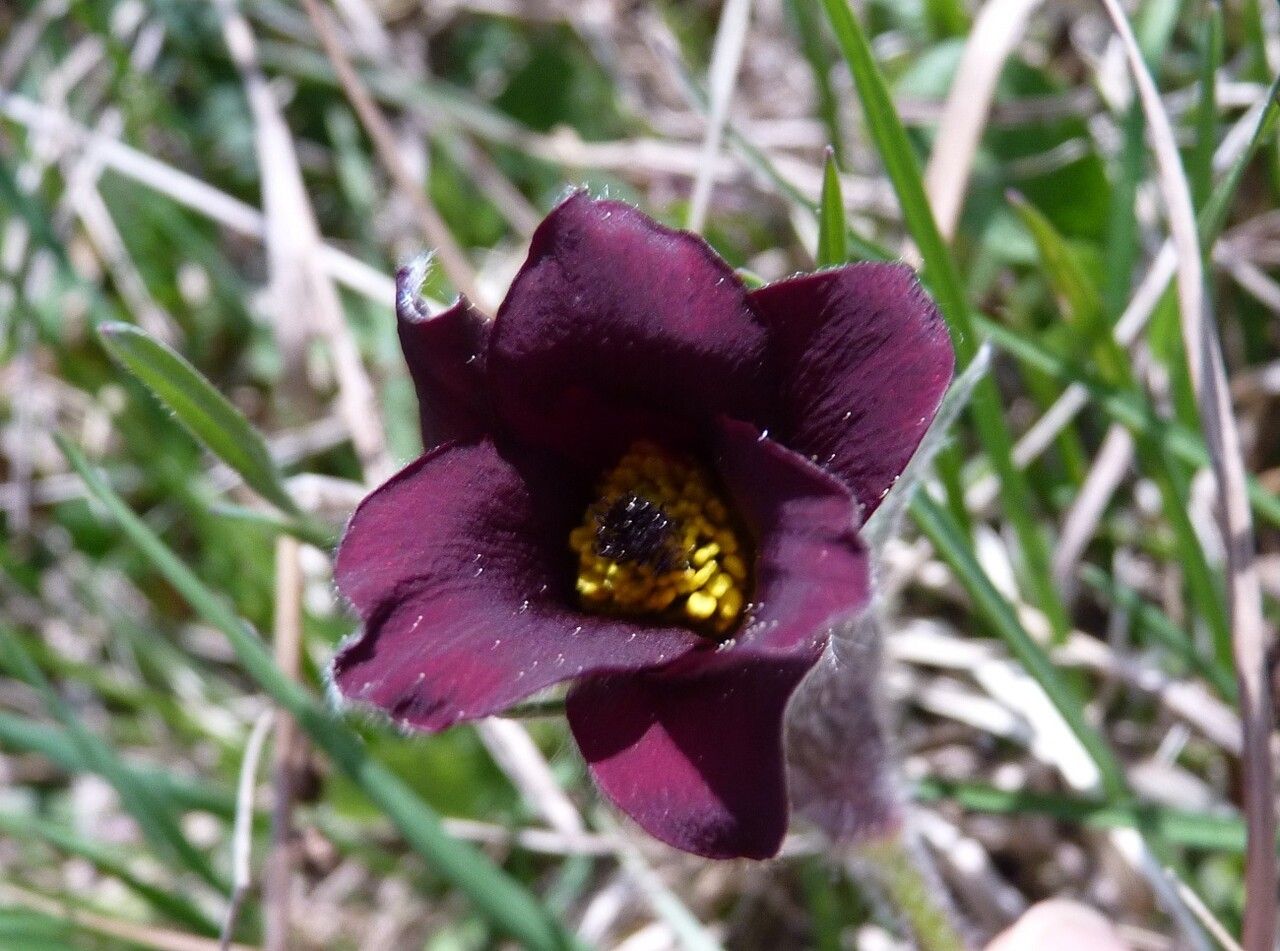
Unveiling the Secrets of Pulsatilla rubra Propagation: From Seed to Bloom
Pulsatilla rubra, with its enchanting, ruby-red, bell-shaped flowers that herald the arrival of spring, is a sight to behold. Also known as the Red Pasque Flower, this alpine plant brings a touch of wild beauty and delicate charm to any garden. But did you know that cultivating new Pulsatilla rubra plants, while a bit tricky, is a deeply rewarding experience? Let’s delve into the secrets of propagating this mesmerizing flower, from seed to bloom.
The Art of Seed Propagation
Pulsatilla rubra thrives on a bit of patience, especially when it comes to growing from seed. Fresh seeds, collected from dried seed heads in early summer, offer the best chance of success.
Here’s the step-by-step:
Sowing the Seeds: Sow your treasure in a seed tray filled with a well-draining seed compost, lightly pressing them into the surface.
Temperature is Key: Pulsatilla rubra needs a period of cold stratification to mimic natural winter conditions. Place your seed tray in a refrigerator (around 3-5°C) for 4-6 weeks.
Spring Awakening: Once the cold treatment is complete, bring the tray out and into a bright, cool location, away from direct sunlight. Keep the soil consistently moist but not waterlogged.
Patience is a Virtue: Germination can be erratic, taking anywhere from a few weeks to a couple of months. Be patient, and don’t lose hope!
- Transplanting Triumph: When seedlings are large enough to handle, carefully transplant them into individual pots filled with a well-draining potting mix. Continue to grow them on in a sheltered location until they are strong enough to plant out in their final spot.
Dividing for Multiplication:
If you already have an established Pulsatilla rubra plant, division offers another propagation avenue. However, this method is best left to experienced gardeners, as the plant dislikes root disturbance.
Timing is Everything: Divide plants in early spring or autumn when the plant is dormant.
Careful Extraction: Carefully lift the entire plant from the ground, ensuring you minimize root damage.
Divide and Conquer: Using a sharp, sterilized knife, carefully divide the plant into sections, ensuring each section has a good amount of roots and shoots.
- Replanting: Replant the divisions immediately in their new locations, ensuring they are at the same depth they were originally growing. Water them in well and keep the soil consistently moist.
Caring for Your Progeny:
Pulsatilla rubra thrives in well-drained soil in a sunny or partially shaded location. Once established, they are relatively drought-tolerant but benefit from regular watering during dry periods. Avoid overwatering, as this can lead to root rot.
The Joy of Propagation:
Propagating Pulsatilla rubra may require a touch more effort than some plants, but the rewards are well worth it. Holding a delicate seedling in your hand, a testament to your dedication and patience, brings a sense of accomplishment like no other. So why not embark on this fulfilling journey and welcome the beauty of Pulsatilla rubra to your garden for years to come?