
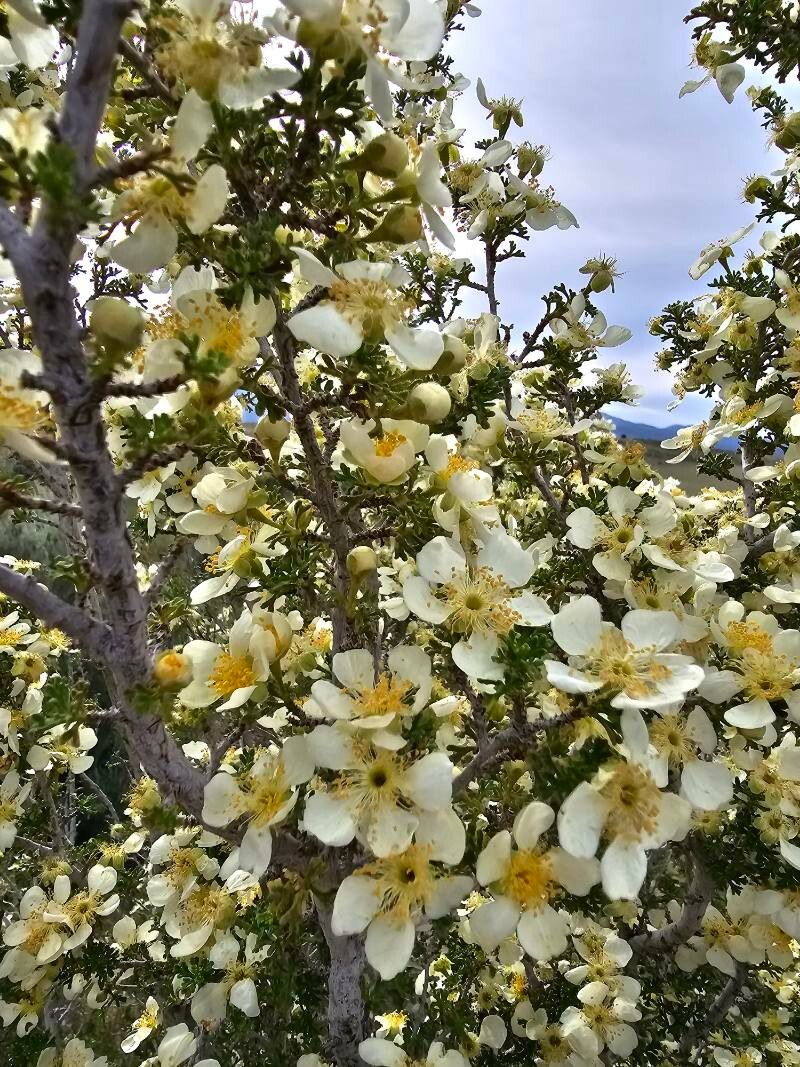
From Desert Jewel to Garden Gem: Propagating Purshia stansburiana
Purshia stansburiana, also known as Antelope Brush or Bitterbrush, is a captivating native shrub hailing from the arid regions of western North America. This drought-tolerant beauty boasts a unique, silvery-green foliage and bursts of vibrant yellow flowers in spring, adding a touch of desert charm to any landscape. But what if you want to share this wonder with others or simply expand your own collection? The answer lies in propagation – the art of creating new plants from existing ones.
The Ways of Purshia: Exploring Propagation Methods
While Purshia stansburiana can be somewhat challenging to propagate, it’s not an impossible feat. Here’s a breakdown of the most common methods:
Seeds: This is the most common and accessible method. Purshia seeds require a period of cold stratification to break dormancy. This mimics the natural winter conditions they experience in their native habitat. Simply mix the seeds with moist peat moss or vermiculite and store them in the refrigerator for 6-8 weeks. After stratification, sow them in a well-draining seed starting mix, keeping the soil consistently moist. Patience is key, as germination can take several weeks or even months.
Cuttings: Purshia can be propagated from semi-hardwood cuttings taken in late summer or early fall. Select healthy, non-flowering stems and make a clean cut just below a node. Dip the cut end in rooting hormone and insert it into a moist rooting medium. Maintain humidity and warmth by covering the cuttings with a plastic dome or bag. Rooting can take several months, so be patient!
- Division: This method works best for older, established plants. Carefully divide the plant into sections, ensuring each division has healthy roots and foliage. Repot or plant these divisions in well-draining soil, keeping them consistently moist until they establish.
Keys to Success: Tips for Purshia Propagation
- Choose the right time: Timing is crucial for successful propagation. Seeds should be stratified in winter, cuttings taken in late summer or early fall, and division performed in spring or fall.
- Use the right soil: Purshia thrives in well-draining soil. Avoid heavy clays and ensure adequate drainage to prevent root rot.
- Provide proper light: Purshia seeds and cuttings need bright, indirect sunlight to germinate and root.
- Maintain consistent moisture: While Purshia is drought-tolerant, the young plants are more sensitive to drought. Keep the soil consistently moist but not soggy.
- Be patient: Propagation takes time and patience. Don’t be discouraged if you don’t see results immediately.
Beyond Propagation: Caring for Your Purshia
Once your Purshia plants are established, they are relatively low-maintenance. They require minimal watering, especially once they are fully rooted. Prune sparingly, mainly to remove dead or crossing branches. Purshia stansburiana is a versatile plant, suitable for rock gardens, slopes, or even as a focal point in a desert-inspired landscape.
Embrace the Desert Delight
Propagating Purshia stansburiana might seem challenging, but with the right techniques and a bit of patience, you can enjoy the beauty of this resilient shrub in your own garden. Witnessing a new plant emerge from a seed or a cutting is a rewarding experience, connecting you with the resilience of nature and adding a touch of the desert’s charm to your personal space. So, go ahead, embrace the challenge and let this desert jewel flourish in your own garden.