
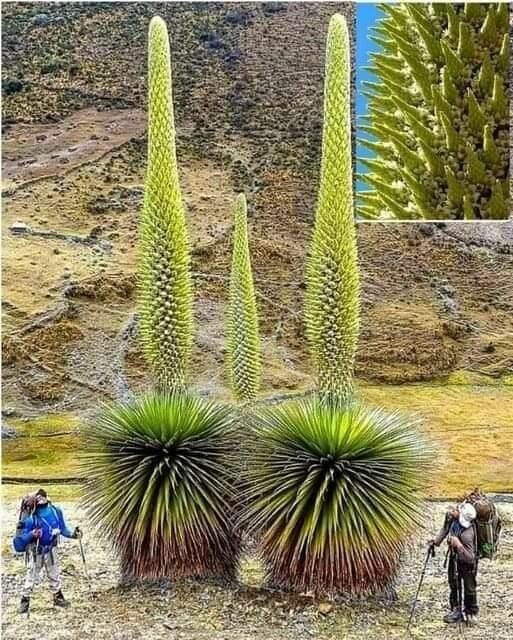
The Queen of the Andes: Unlocking the Secrets of Puya raimondii Propagation
Standing tall in the harsh landscapes of the Andes, the Puya raimondii, also known as the Queen of the Andes, is a majestic plant that captivates the imagination. With its towering, spiky inflorescence reaching up to 12 meters high, this iconic species draws attention, but its reproduction remains a mystery to many. Today, we’ll unravel the secrets of Puya raimondii propagation, exploring how this remarkable plant ensures its survival in the challenging Andean environment.
A Giant’s Life Cycle:
The Puya raimondii boasts a fascinating life cycle. It’s a monocarpic plant, meaning it flowers only once before dying. It takes around 80-100 years for this giant to reach maturity and produce its stunning floral tower. Once in bloom, it can carry up to 8,000 individual flowers, attracting hummingbirds and other pollinators. The plant’s life culminates in a magnificent but final display, showcasing its remarkable resilience before passing on its legacy.
Seeds of Succession:
The most common method of Puya raimondii propagation is through seed. However, successfully germinating these seeds requires specific conditions. Here’s what you need to know:
- Collecting Seeds: The seeds are dispersed by wind and often end up scattered across the unforgiving terrain. Collecting the seeds requires patience and knowledge of the plant’s life cycle. Mature seed pods change color to indicate ripeness, and the seeds should be carefully extracted.
- Sowing Seeds: The seeds must be sown in a well-draining, sandy soil mix with good aeration. A shallow pot with drainage holes is ideal. The soil should be kept moist but not waterlogged, and the ideal temperature sits between 20-25 °C (68-77 °F).
- Germination: The seeds are quite slow to germinate, taking anywhere from a few weeks to a few months. Patience is key.
The Challenge of Vegetative Propagation:
Vegetative propagation, which involves taking cuttings from an existing plant, is rarely successful with Puya raimondii. The plant’s growth pattern and the difficulty in producing viable cuttings make this method impractical. However, with dedicated research and experimentation, this might be a future possibility.
Conservation Efforts and the Future:
The Puya raimondii faces challenges from habitat loss, climate change, and overgrazing. These factors threaten its already slow reproduction rate, making conservation efforts crucial. By understanding the intricacies of its life cycle and embracing sustainable practices, we can ensure the survival of this magnificent plant for future generations.
Conclusion:
The Queen of the Andes continues to inspire awe with its incredible lifespan and remarkable adaptation. While the process of propagation remains a challenge, the challenges are being tackled by scientists and conservationists. Sharing knowledge and raising awareness about this unique species, we can contribute to its conservation and ensure that the majesty of the Puya raimondii continues to adorn the Andean landscape for centuries to come.