
From Seed to Majesty: Propagating the Puya Trianae, Nature’s Giant Bromeliad
The Puya trianae, with its towering spires adorned by thousands of tiny flowers, is a sight to behold. Native to the Andean cloud forests of Colombia, this giant bromeliad stands as a testament to the beauty and resilience of nature. While admiring its grandeur might seem impossible in your own home, propagating this captivating plant is achievable, rewarding you with a unique and fascinating addition to your garden.
The Seeds of a Giant
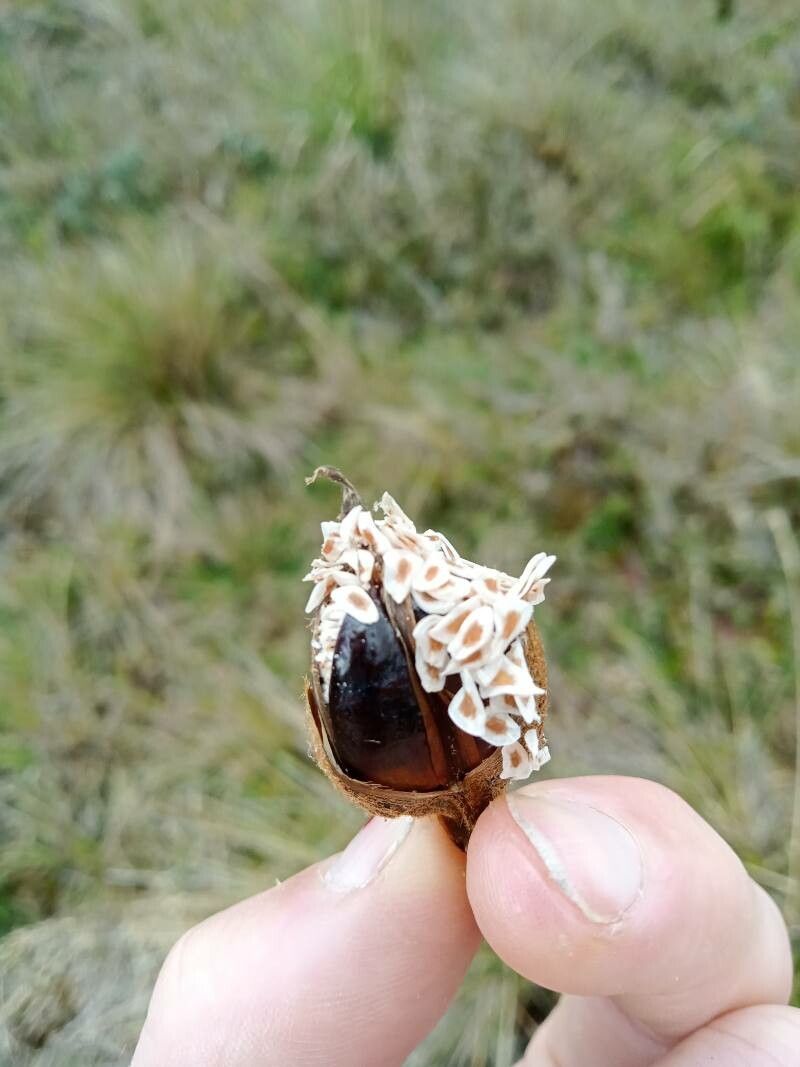
The most common method to propagate the Puya trianae is through seed. These seeds, once collected from the dried flower spikes, require meticulous care for successful germination. The first step is to create a sterile environment, using sterilized soil and pots to prevent fungal infections. A well-drained potting mix, ideally with added perlite for aeration, is recommended.
Sow the seeds thinly on the surface of the soil, and gently mist them with water. Avoid overwatering, as this can lead to rot.
Patience and Precision
Germination can take multiple weeks, even months, and requires consistent temperature and humidity. Maintain a warm environment around 20-25°C (68-77°F) and high humidity levels using a humidity dome or misting regularly. Adequate sunlight, with indirect exposure, is essential for healthy growth.
Once seedlings emerge, thin them out to allow adequate space for each plant to develop. As the young Puyas become more robust, you can gradually acclimatize them to outdoor conditions, ensuring they are shielded from excessive sunlight and harsh weather.
Alternative Propagation Methods
While seed propagation is the most common method, vegetative propagation using suckers, or offsets, is also possible. These suckers sprout from the base of the mother plant and can be carefully separated and replanted. This method provides a faster way to produce new plants, as they inherit the genetic traits of the parent plant.
However, be mindful that dividing these suckers can be challenging as they become attached to the mother plant by a network of fibrous roots. Patience and precision are key, ensuring you don’t damage the mother plant during the process.
Time and Patience
Remember, the process of growing a Puya trianae is a journey demanding patience and dedication. It might take years for your plant to achieve the imposing size of its wild counterparts, but the journey is rewarding. Witnessing its growth from a tiny seed to a majestic plant will be a testament to your horticultural efforts.
Conclusion
Cultivating the Puya trianae offers a unique and satisfying experience. It’s a journey filled with learning, patience, and the joy of nurturing a piece of the Andean cloud forest within your own space. Whether you choose seed propagation or vegetative methods, the process is an adventure in itself, ultimately rewarding you with the awe-inspiring spectacle of the Puya trianae in your garden. So, roll up your sleeves, embrace the challenge, and discover the magic of growing this extraordinary plant.