
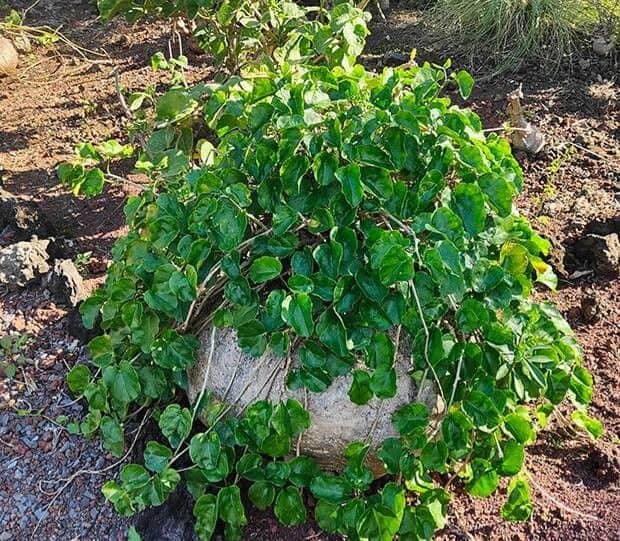
Unlocking the Secrets of Pyrenacantha malvifolia Propagation: A Guide for Plant Enthusiasts
Pyrenacantha malvifolia, with its intriguing name and even more captivating appearance, is a climbing plant that easily captures the heart of any plant enthusiast. Native to South Africa, this botanical beauty boasts lush, velvety leaves and an almost prehistoric charm. If you’re lucky enough to own one or are considering adding it to your collection, you’re probably wondering about the best way to propagate it.
While not as common as propagating succulents or pothos, successfully multiplying your Pyrenacantha malvifolia is achievable with a little patience and the right knowledge. Let’s delve into the two most effective methods:
Method 1: Stem Cuttings
This is the more common and generally successful method for propagating Pyrenacantha malvifolia. Here’s a step-by-step guide:
Timing is Key: The ideal time for taking cuttings is during the plant’s active growing season, typically spring or early summer.
Selecting the Right Cuttings: Choose healthy, non-flowering stems that are around 4-6 inches long. Look for stems with at least two or three nodes (small bumps on the stem where leaves emerge).
Making the Cut: Using a clean, sharp knife or pruning shears, make a cut just below a node. Remove any leaves from the bottom inch or two of the cutting to prevent them from rotting.
Hormone Treatment (Optional): While not strictly necessary, dipping the cut end in rooting hormone powder can help encourage faster and more successful rooting.
Planting the Cuttings: You can choose to root your cuttings in either water or a well-draining potting mix.
Water Propagation: Place the cuttings in a glass or jar filled with water, making sure that the nodes are submerged. Change the water every few days to prevent stagnation.
- Soil Propagation: Fill small pots with a well-draining potting mix. Moisten the mix and gently insert the cuttings, burying at least one node.
Creating a Humid Environment: Pyrenacantha malvifolia thrives in humidity. To increase the humidity around your cuttings, you can cover the pot with a plastic bag or use a propagation dome. This helps retain moisture and create a mini-greenhouse effect.
- Patience is a Virtue: It can take several weeks or even a couple of months for roots to develop. Keep the soil consistently moist but not waterlogged. Once you see new growth, it’s a sign that your cuttings have successfully rooted.
Method 2: Seed Propagation
While less common, propagating Pyrenacantha malvifolia from seed is possible if you have access to viable seeds.
Seed Collection: The plant produces small, berry-like fruits. Collect these fruits when they are ripe and extract the seeds.
Seed Preparation: Soak the seeds in warm water for 24 hours before sowing. This helps soften the outer shell and encourage germination.
Sowing the Seeds: Plant the seeds in a seed-starting mix, lightly covering them with soil. Keep the soil consistently moist and warm.
- Germination: Be patient, as germination can take several weeks or even months.
Conclusion
Propagating Pyrenacantha malvifolia might require a touch of patience, but the rewards are well worth the effort. Whether you choose to propagate through stem cuttings or venture into the world of seed propagation, the joy of watching new life emerge from a simple cutting or a tiny seed is an unmatched experience for any plant lover. With the knowledge and tips shared in this guide, you’re well on your way to expanding your Pyrenacantha malvifolia collection and enjoying the unique beauty of this captivating plant for years to come.