
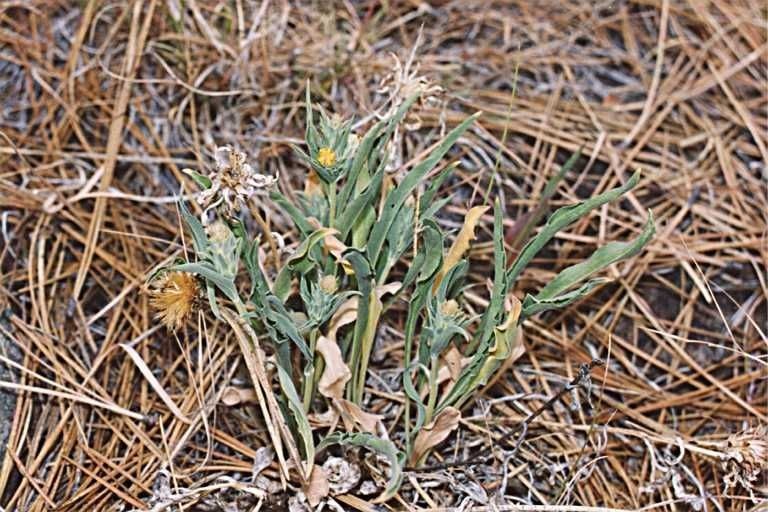
From Seed to Splendor: Cultivating the Vibrant Beauty of Pyrrocoma carthamoides
Pyrrocoma carthamoides, also known as the “goldenweed” or “sticky aster,” is an eye-catching wildflower native to the Western United States and Canada. Its vibrant yellow daisy-like blooms bring a splash of color to meadows and rocky slopes, making it a popular choice for wildflower gardens. But beyond its aesthetic appeal, this hardy plant boasts a fascinating propagation journey that’s both rewarding and accessible to gardeners of all levels.
From Seed to Sprout:
Starting your Pyrrocoma carthamoides from seed is the most common and cost-effective propagation method. Here’s your step-by-step guide:
- Timing is Key: Sow your seeds in the early spring or late summer, as these seasons mimic their natural germination periods.
- Light and Soil: Pyrrocoma carthamoides prefers a well-drained, sandy soil with plenty of sunlight. A sunny windowsill or a seed starting tray under grow lights is ideal for indoor germination.
- Planting Depth: Lightly press the seeds into the soil, but don’t bury them too deeply. Aim for a depth of about ¼ inch.
- Moisture and Temperature: Keep the soil consistently moist but not soggy. A temperature range of 65-75 degrees Fahrenheit (18-24 Celsius) is ideal for optimal germination.
- Patience is a Virtue: Germination can take anywhere from two to four weeks. Be patient and trust the process!
Beyond Seeds: Exploring Other Options:
While seed propagation is a popular method, there are other ways to cultivate Pyrrocoma carthamoides:
- Division: For established plants, dividing the root ball in early spring is a simple and effective technique. Carefully separate the plant into smaller clumps, ensuring each division has healthy roots and foliage.
- Cuttings: While less common, propagating Pyrrocoma carthamoides from stem cuttings is possible. Take cuttings in the early summer and dip them in a rooting hormone before planting in a moist, well-draining medium.
Planting and Care:
Once your Pyrrocoma carthamoides seedlings or divisions are established, they require minimal care:
- Spacing: Space your plants 1-2 feet apart to allow for optimal growth and air circulation.
- Watering: Water regularly, especially during dry periods, but avoid overwatering. Let the soil dry slightly between waterings.
- Sunlight: Goldenweed thrives in full sun, so choose a location that receives at least 6 hours of direct sunlight per day.
- Fertilizer: Fertilizing is generally not necessary, but a light application of balanced fertilizer in the spring can encourage healthy growth.
- Winter Hardiness: Pyrrocoma carthamoides is a hardy plant that can tolerate cold temperatures. In areas with harsh winters, mulch around the base of the plant to protect its roots.
Beyond the Garden:
Pyrrocoma carthamoides is more than just a pretty flower. It’s an important part of the ecosystem, attracting pollinators like bees and butterflies. Its dried leaves and flowers have also been used for medicinal purposes by indigenous communities. By propagating and nurturing this vibrant species, you play a part in supporting a thriving nature and contribute to preserving its cultural significance.
Start your Pyrrocoma carthamoides journey today! With a little patience and care, you’ll be rewarded with stunning yellow blooms that brighten your garden and attract a symphony of buzzing and fluttering life.