
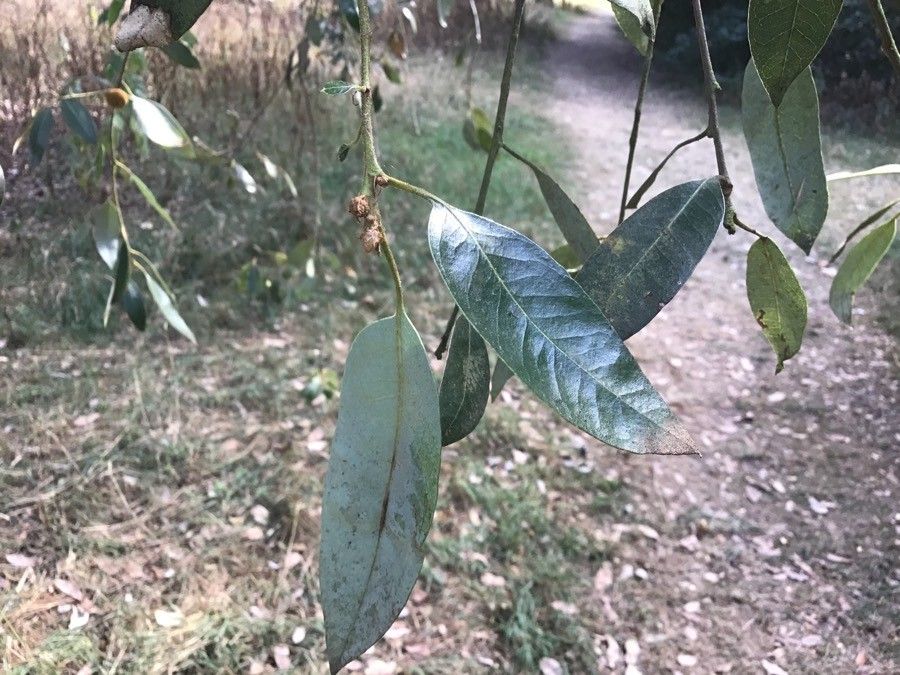


Unlocking the Secrets of Canyon Live Oak Propagation: A Guide to Growing Your Own Majestic Oak
The Canyon Live Oak (Quercus chrysolepis), a majestic giant found throughout California and the Pacific Northwest, is a true testament to nature’s enduring beauty. With its gnarled branches, evergreen canopy, and impressive lifespan, this oak species can grace your landscape for generations to come. But how does one go about welcoming this iconic tree to their garden? This guide will unlock the secrets of Canyon Live Oak propagation, empowering you to cultivate your very own piece of living history.
The Power of the Acorn: Propagating from Seed
The most rewarding and common method of propagating Canyon Live Oak is from seed, or acorns. Here’s a step-by-step guide:
Acorn Collection: Timing is everything. Gather mature, healthy acorns in the fall, ideally directly from the tree. Look for acorns that are plump, brown, and easily detach from the cap. Avoid any with holes, cracks, or signs of insect damage.
Float Test: Not all acorns are created equal. Test their viability by placing them in a bowl of water. Discard any that float as they are likely not viable.
Cold Stratification (Nature’s Secret Weapon): Canyon Live Oak acorns, like many trees in temperate climates, benefit from a period of cold dormancy called stratification. You can mimic this by placing the acorns in a moist medium like sand or peat moss within a sealed plastic bag. Refrigerate for 6-8 weeks.
Planting Time: Once stratified, plant the acorns in individual pots filled with well-draining potting mix. Plant them about an inch deep, with the pointed end facing down.
- Patience is Key: Water the pots regularly, keeping the soil consistently moist but not waterlogged. Germination can take anywhere from a few weeks to a couple of months.
Beyond the Acorn: Alternative Propagation Methods
While less common, Canyon Live Oak can also be propagated through cuttings:
Cutting Collection: Take 4-6 inch cuttings from young, healthy branches in late spring or early summer. Look for branches that are still somewhat flexible.
Cut Preparation: Remove the leaves from the bottom half of the cutting and wound the cut end slightly to encourage root development. Dip the cut end in rooting hormone for an added boost.
- Planting and Care: Plant the cuttings in a well-draining medium and keep them consistently moist. Rooting can be a slow process, so patience and optimal growing conditions are crucial.
Transplanting: Giving Your Oak a Strong Start
Once your seedlings or cuttings have developed a strong root system, typically after a year or two, they are ready for transplanting. Choose a permanent location that offers ample space for your oak to grow and thrive. They prefer well-drained soil and full sun to partial shade. Water deeply and regularly, especially during the first few years after transplanting.
Propagating Canyon Live Oak is a fulfilling journey that connects you to nature’s timeless cycle of growth and renewal. With patience and care, you can play an active role in preserving the legacy of this iconic tree, watching it flourish for generations to come.