
Bringing Life to Bromeliads: A Guide to Propagating Quesnelia tubifolia
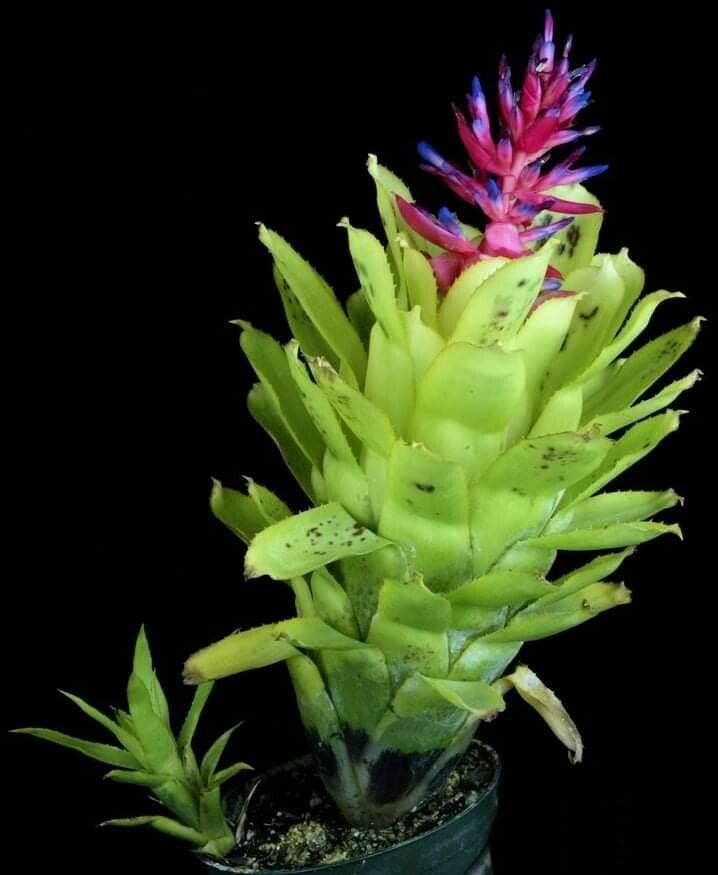
Quesnelia tubifolia, with its stunning, vibrant red bracts and delicate foliage, is a true showstopper in the plant world. But did you know that replicating this beauty is surprisingly easy? Propagating Quesnelia tubifolia is a rewarding experience that allows you to expand your collection and share this exquisite plant with others.
Understanding the Process:
Quesnelia tubifolia, like many other bromeliads, can be propagated through two main methods:
Offsetting: This is the most common and straightforward method. As the mother plant matures, it produces “pups” or offsets around its base. These miniature versions of the parent plant are essentially clones, carrying the same genetic information and beautiful characteristics.
- Seed propagation: While possible, seed propagation is less common. It takes significantly longer and requires more patience compared to offsetting. Seeds can take several months to germinate, and it might be a few years before the new plant reaches maturity and blooms.
The Easy Way: Propagation Through Offsetting
For most home gardeners, offsetting is the preferred method:
Wait for the pups: Let the offsets grow to about a third of the size of the mother plant. This ensures they have developed a strong root system.
Gentle detachment: Carefully remove the offset from the mother plant, being sure to sever the connection at the base. Use a sharp, sterilized knife or pruning shears to prevent damage.
Root development: Plant the offset in a well-draining potting mix. Ensure the base is slightly above the soil level, allowing for proper aeration and root development.
Moisture and humidity: Keep the soil consistently moist but not soggy. A humid environment will encourage healthy growth. You can achieve this by misting the plant regularly or placing it on a humidity tray.
- Patience and care: Provide your new Quesnelia tubifolia with bright, indirect light and regular watering. It may take a few months for the offset to establish itself and start producing new growth.
Troubleshooting:
- Rotting: Avoid overwatering, as this can lead to root rot. Check the soil moisture before watering and allow it to dry slightly between waterings.
- Pest infestations: Keep an eye out for common pests like mealybugs or spider mites. Treat promptly with appropriate insecticidal soap or other natural methods.
The Joy of Propagation:
Propagating Quesnelia tubifolia is a satisfying experience for beginners and experienced gardeners alike. Not only does it give you more of these beautiful plants, but it also allows you to witness the amazing resilience and adaptability of these tropical gems.
Sharing the Joy:
Once your propagated Quesnelia tubifolia plants are established, you can share them with loved ones. Sharing plants is a wonderful way to spread joy and connect with others. Gift a small offset to a friend or family member, and let them share the magic of Quesnelia tubifolia in their homes.
So, embark on your propagation journey today and bring life to more of these stunning bromeliads. Watch as your collection flourishes and fills your home with a vibrant, tropical touch. You might be surprised by how easy and fulfilling it is to create your own personal collection of these stunning, captivating plants.