
Taming the Wild Beauty: A Guide to Propagating the Rare Raillardella scaposa
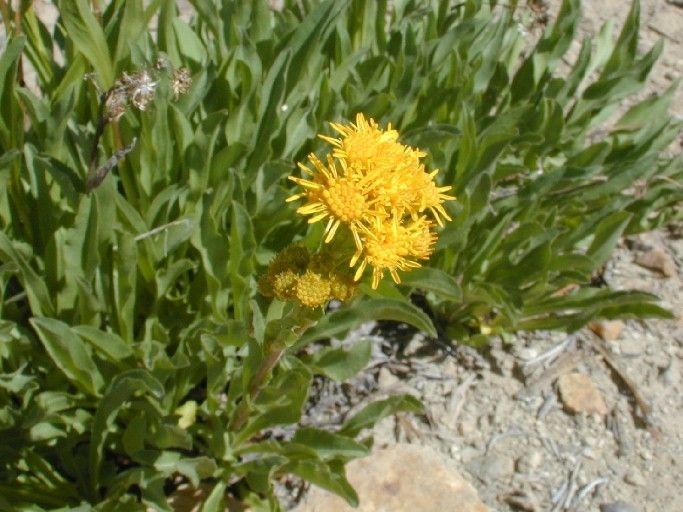
The Raillardella scaposa, with its cheerful yellow blooms peeking out from a bed of silvery-green foliage, is a captivating sight. This rare alpine plant, native to the high-elevation scree slopes of California’s Sierra Nevada, might seem like a challenge to cultivate, but with a little patience and the right techniques, even beginner gardeners can introduce this unique beauty to their rock gardens or alpine troughs.
Understanding the Raillardella scaposa
Before diving into propagation, it’s crucial to appreciate this plant’s unique characteristics. As an alpine species, R. scaposa thrives in well-drained, gravelly soil and enjoys full sun to light shade. It’s adapted to harsh conditions, tolerating cold temperatures and even thriving in areas with short growing seasons.
Propagation Methods: Seed vs. Cuttings
1. Seed Propagation: This is the most common and rewarding method for propagating R. scaposa.
- Seed Collection: Collect seeds in late summer or early fall when the fluffy seed heads mature and turn brown.
- Stratification: Mimicking nature’s cycle, cold stratification is essential for breaking seed dormancy. Place seeds in a moist paper towel, seal them in a plastic bag, and store them in the refrigerator for about 2-3 months.
- Sowing: Sow seeds in late winter or early spring using a well-draining seed starting mix. Surface sow, as light can stimulate germination.
- Germination: Be patient! Germination can take anywhere from a few weeks to a couple of months.
- Care: Once seedlings have a few sets of true leaves, thin them out and gradually acclimate them to outdoor conditions.
2. Propagation from Cuttings: While possible, propagating Raillardella scaposa from cuttings is less common and can be slightly trickier.
- Timing: Take cuttings in late spring or early summer from healthy, non-flowering stems.
- Preparation: Use a sharp, clean knife or pruners to take 3-4 inch cuttings, making the cut just below a leaf node. Remove lower leaves to prevent rotting.
- Rooting Hormone: While not strictly necessary, dipping the cut end in rooting hormone can increase the chances of success.
- Planting: Plant the cuttings in a well-draining rooting mix, keeping it consistently moist but not waterlogged.
- Growth: In a few weeks, you should see signs of new growth, indicating successful rooting.
Tips for Success
- Well-Draining Soil: Ensure excellent drainage by using a mix specifically formulated for alpine plants or by amending your soil with grit, perlite, or pumice.
- Mimic Natural Conditions: Replicate the plant’s natural habitat as much as possible by providing full sun to light shade, consistent moisture (without waterlogging!), and good air circulation.
- Patience is Key: Remember that R. scaposa, like many alpine plants, can be slow-growing. Don’t be discouraged if you don’t see results immediately.
With dedication and a little bit of effort, you can propagate this rare beauty and enjoy its cheerful blooms in your own garden. Sharing the joy of nurturing rare plants like the Raillardella scaposa is a rewarding experience that connects us with nature’s beauty and emphasizes the importance of conservation.