
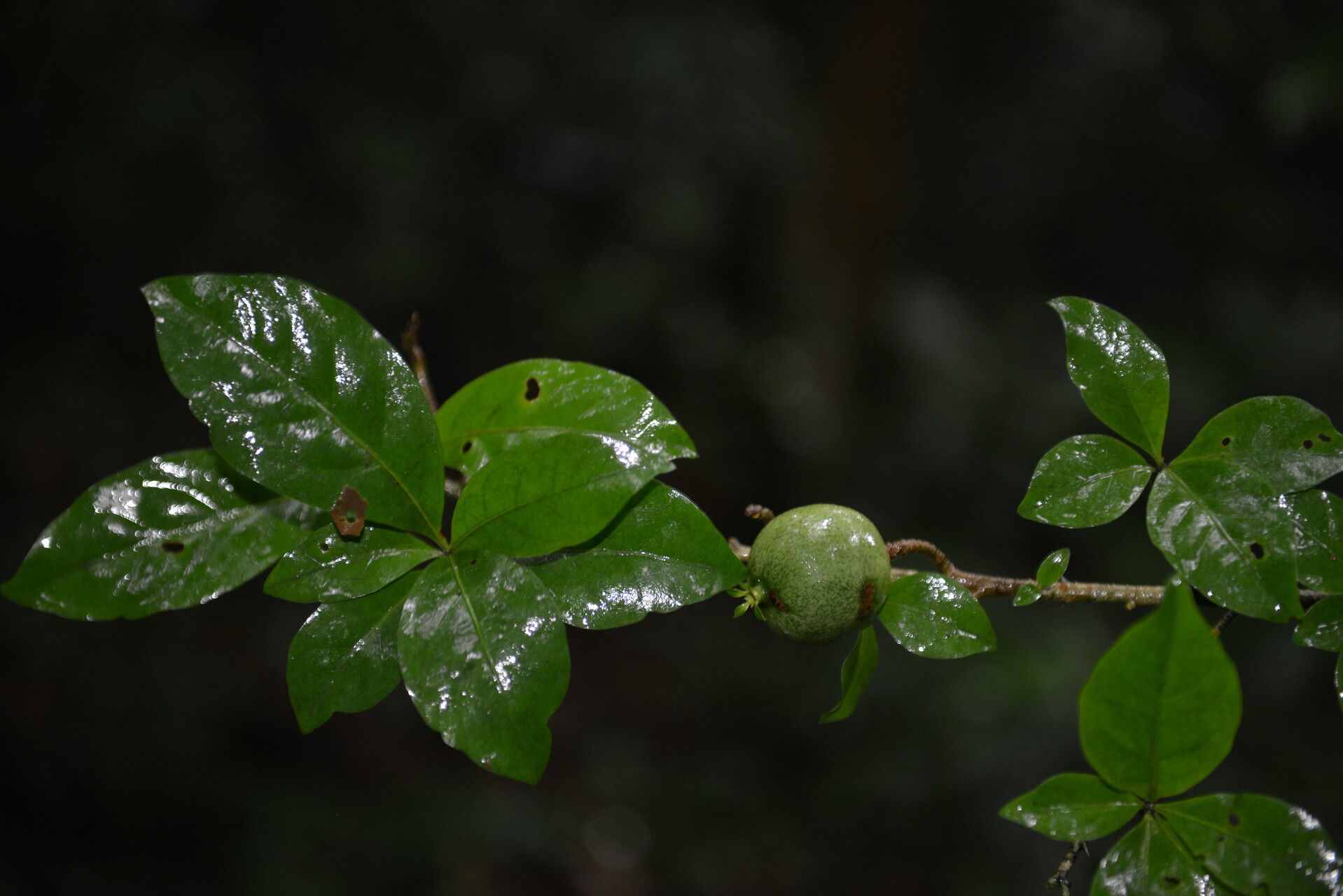
Taming the Wild Beauty: A Guide to Propagating Randia calycosa
Randia calycosa, also known as the Crucillo or Indigo Berry, is a fascinating shrub native to the Americas, boasting fragrant white flowers and vibrant, blue-black berries. While not commonly found in nurseries, this resilient plant captivates with its unique beauty and ability to attract pollinators. If you’re seeking an intriguing addition to your garden with a touch of wild charm, propagating Randia calycosa might just be your next green adventure.
Demystifying the Propagation Process
While Randia calycosa can be grown from seeds, it’s not the easiest or fastest method. The seeds, encased within the fleshy berries, have a hard outer shell and can be slow to germinate. However, don’t be disheartened! Success is achievable with a little patience and the right techniques:
1. Seed Collection and Preparation:
- Harvest ripe, dark-colored berries directly from the plant.
- Gently crush the berries and soak them in water for a day or two.
- The pulp will separate, revealing the seeds. Rinse and allow them to dry completely.
2. Scarification for Success:
The hard seed coat is a barrier to germination. Gently nicking or sanding the seed coat – a process called scarification – can significantly improve your success rate.
3. Sowing the Seeds:
- Plant the scarified seeds in a well-draining seed starting mix, burying them about ¼ inch deep.
- Mist the soil, ensuring it remains consistently moist but not waterlogged.
- Provide warmth – ideally around 70-75°F (21-24°C) – using a heating mat if necessary.
- Germination can be erratic, taking anywhere from a few weeks to a couple of months.
The Power of Cuttings: A Faster Route
For a more predictable and faster approach, propagation through stem cuttings is recommended:
1. Timing is Key:
Take cuttings during the active growing season, ideally in spring or early summer.
2. Selecting Healthy Stems:
Choose healthy, non-flowering stems that are around 4-6 inches long. Make a clean cut just below a leaf node.
3. Preparing the Cuttings:
- Remove the lower leaves, leaving only a couple at the top.
- Applying a rooting hormone to the cut end can significantly enhance root development.
4. Planting and Care:
- Plant the prepared cutting in a well-draining potting mix.
- Maintain moisture and warmth, similar to seed propagation.
- You can create a mini greenhouse effect by covering the pot with a clear plastic bag to retain humidity.
5. Rooted and Ready:
Within a few weeks, you should see new growth, a good indicator that roots have developed. Once the roots are established, you can transplant the cuttings into individual pots.
Welcoming Randia calycosa to Your Garden
Whether you choose seeds or cuttings, successfully propagating Randia calycosa is a rewarding experience. Once your plants are well-established, provide them with a sunny or partially shaded location in your garden with well-drained soil. These resilient beauties are relatively low-maintenance and will reward your efforts with fragrant blooms and an abundance of vibrant berries, attracting pollinators and adding a touch of the wild to your landscape.