
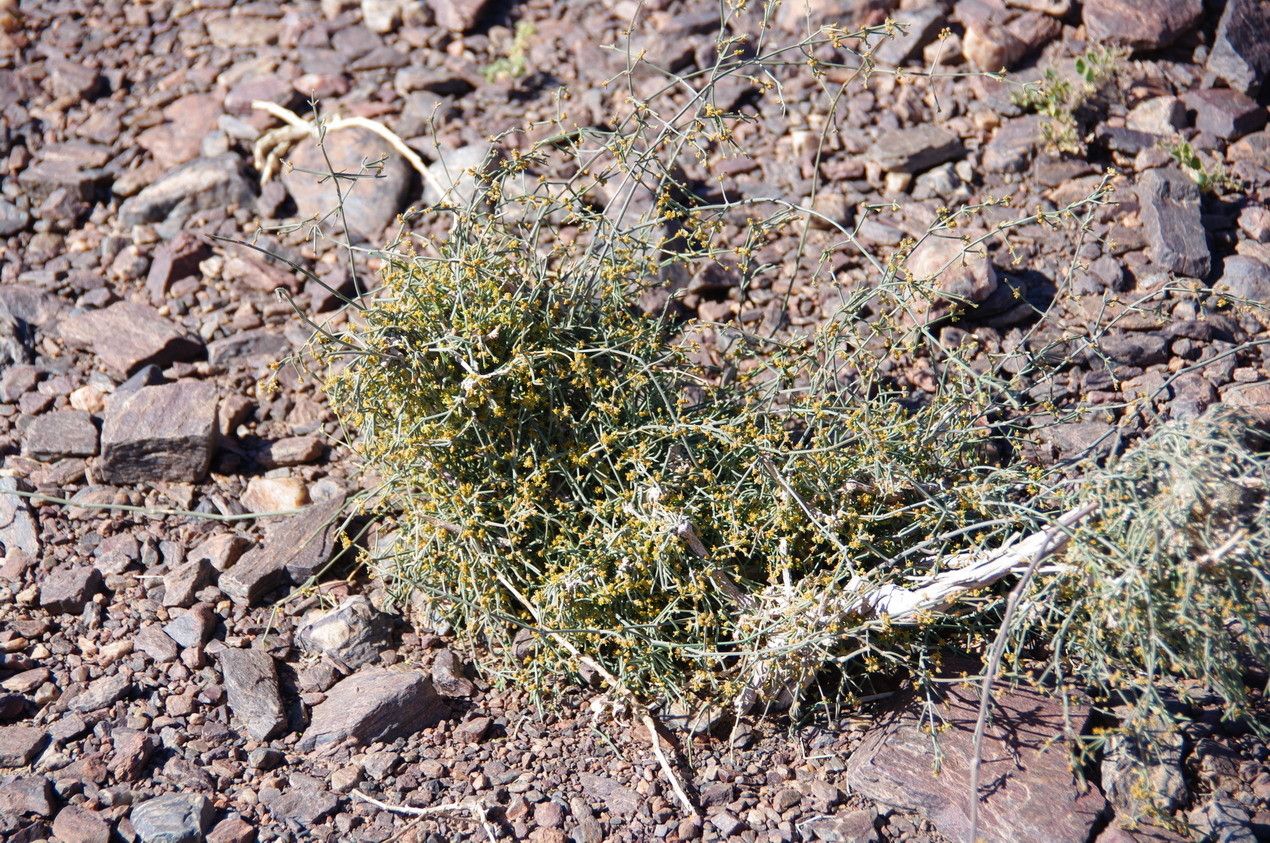
Unlocking the Desert’s Secret: Propagating the Elusive Randonia africana
The Sahara Desert, with its harsh sun and unforgiving aridity, seems an unlikely place for life to flourish. Yet, it is here that we find the remarkable Randonia africana, a plant as resilient as it is enigmatic. This intriguing desert dweller, with its ability to withstand the extremes of its environment, has captivated botanists and plant enthusiasts alike. While much remains unknown about this desert survivor, understanding its propagation offers a glimpse into its remarkable life cycle and a chance to cultivate this unique species.
Randonia africana is not your average garden variety. Its unique features, from its sprawling, almost leafless structure to its striking, vibrant flowers, are testament to its adaptation to the desert ecosystem. Propagating this desert gem isn’t as straightforward as with more common plants, but the rewards are well worth the effort.
Seed Propagation: A Story of Patience and Perseverance
The most common method of propagating Randonia africana is through its seeds. These seeds, however, possess a hard outer coating, a clever adaptation to survive the harsh desert conditions that also presents a challenge for germination.
To increase your chances of success, consider the following steps:
Scarification: Gently rub the seed coat with sandpaper or a file to mimic natural wear and tear. This process, known as scarification, helps water penetrate the tough exterior and encourages germination.
Soaking: Soak the scarified seeds in warm water for 24 hours. This softens the seed coat further and kickstarts the germination process.
Sowing: Plant the seeds about 1-2 cm deep in a well-draining potting mix, ideally one that mimics the sandy, arid soils of their natural habitat.
- Patience: Germination can be erratic, taking anywhere from a few weeks to several months. Maintain consistent moisture but avoid overwatering, as this can lead to rot.
Cultivating Resilience: Mimicking the Desert Environment
Successfully germinating the seeds is just the first step. To thrive, Randonia africana seedlings need conditions that mirror their natural habitat. Here are some essential tips:
- Sunlight: These desert dwellers thrive under full sun. Ensure your seedlings receive at least 6-8 hours of direct sunlight daily.
- Watering: While drought-tolerant, Randonia africana seedlings require regular watering until established. However, allow the soil to dry out completely between waterings to prevent root rot.
- Temperature: Aim for warm temperatures, ideally between 20-30°C (68-86°F). These plants are sensitive to frost and cold drafts.
- Fertilizer: In the wild, Randonia africana grows in nutrient-poor soils. While occasional fertilization can be beneficial, avoid over-fertilizing, as this can lead to weak growth.
Preserving a Desert Treasure
Propagating Randonia africana is not simply about cultivating a beautiful and unique plant; it’s about playing a role in the conservation of a species facing increasing environmental pressures in its natural habitat. By understanding and replicating the conditions that allow this desert survivor to thrive, we can contribute to its preservation and learn valuable lessons about resilience and adaptation in the face of a changing climate.