
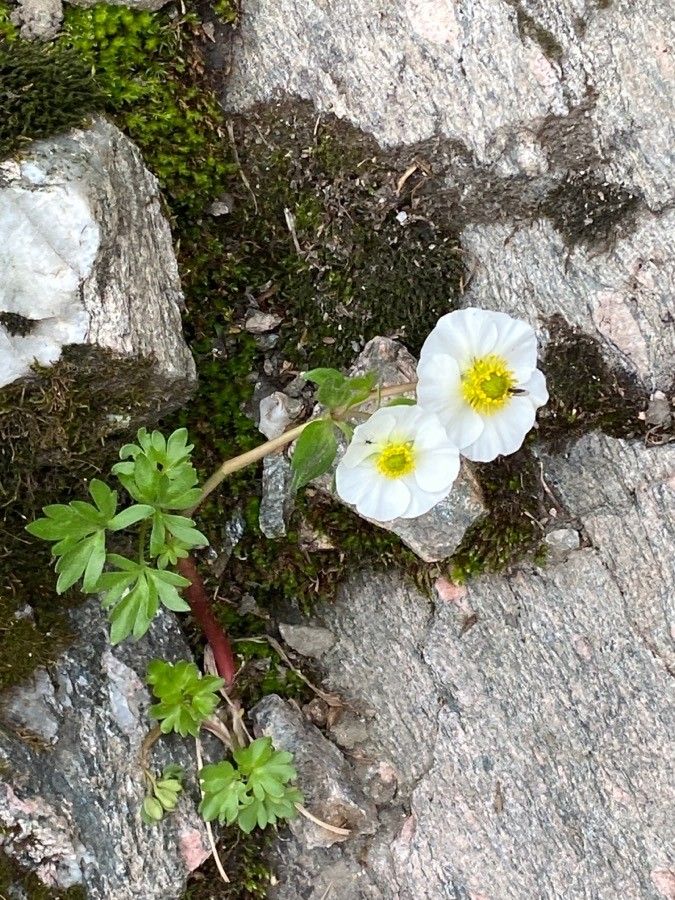
Bringing the Alpine Beauty Home: A Guide to Propagating Ranunculus Alpestris
The Ranunculus alpestris, also known as the Alpine Buttercup, is a captivating wildflower that graces high-altitude meadows with its delicate, white blossoms. Its beauty makes it a sought-after addition to gardens, but obtaining these alpine jewels isn’t always easy, as they thrive in specific conditions. Thankfully, propagation offers a way to enjoy this species without risking its wild populations.
Understanding the Basics of Ranunculus Alpestris Propagation
Ranunculus alpestris can be propagated through two primary methods: seed propagation and division. Both methods require a little patience and a deep understanding of the plant’s requirements.
1. Seed Propagation: A Journey from Seed to Bloom
Starting from seed offers the most rewarding (and challenging) way to introduce these wildflowers to your garden.
Step 1: Gather Seeds
Seeds are usually available during late summer to early fall. You can collect them yourself from established plants if you have access to a suitable location, or purchase them from reputable seed suppliers.
Step 2: Prepare for Planting
Ranunculus alpestris seeds require a cold stratification period mimicking the natural winter conditions of their habitat. Sow the seeds in a seed tray filled with a well-draining seed compost. Keep the soil moist but not waterlogged. Cover the tray with a plastic wrap or lid to maintain humidity.
Step 3: Cold Stratification
Place the tray in a refrigerator for at least 8 weeks, ideally at a temperature between 33-37°F (1-3°C). This cold period breaks seed dormancy, ensuring successful germination.
Step 4: Planting and Care
Once the stratification period is complete, remove the tray from the refrigerator and place it in a bright, cool environment. Keep the soil consistently moist, and gently thin out overcrowded seedlings as they emerge.
Step 5: Transplanting
After a few weeks, when the seedlings have developed a few true leaves, transplant them into individual pots. As the weather warms up, gradually acclimate them to outdoor conditions before planting them in their permanent location in a well-drained, slightly acidic soil.
2. Division: A Quicker Path to Blooming
Division offers a faster way to increase your Ranunculus alpestris collection. This method involves separating established clumps into smaller divisions, each containing a root system and growing points.
Step 1: Selecting the Right Time
The best time for division is during the plant’s dormant season, usually in early spring before new growth appears.
Step 2: Divide and Conquer
Carefully dig up the clump and gently divide it with a sharp knife or spade, ensuring each division has a healthy root system and multiple growing points.
Step 3: Planting
Plant the divisions in a well-prepared bed with a slightly acidic soil composition. Water them regularly to help them establish roots.
Tips for Success: The Alpine Secret
- Choose a location that mimics their natural habitat. Ranunculus alpestris prefers well-drained, acidic soil in a sunny to partially shaded location.
- Incorporate a thin layer of mulch around the plants to maintain soil moisture and suppress weeds.
- Water regularly during dry periods but avoid overwatering. Ensure the soil dries slightly between waterings.
- After blooming, allow the foliage to die back naturally. This allows the plant to store energy for next year’s growth.
Bringing the Mountains Home
Propagating Ranunculus alpestris allows you to bring the delicate beauty of the Alps into your own garden. Whether you start from seed or choose division, patience and attentive care are essential for success. It’s a wonderful way to enjoy these delightful wildflowers and contribute to their preservation.