
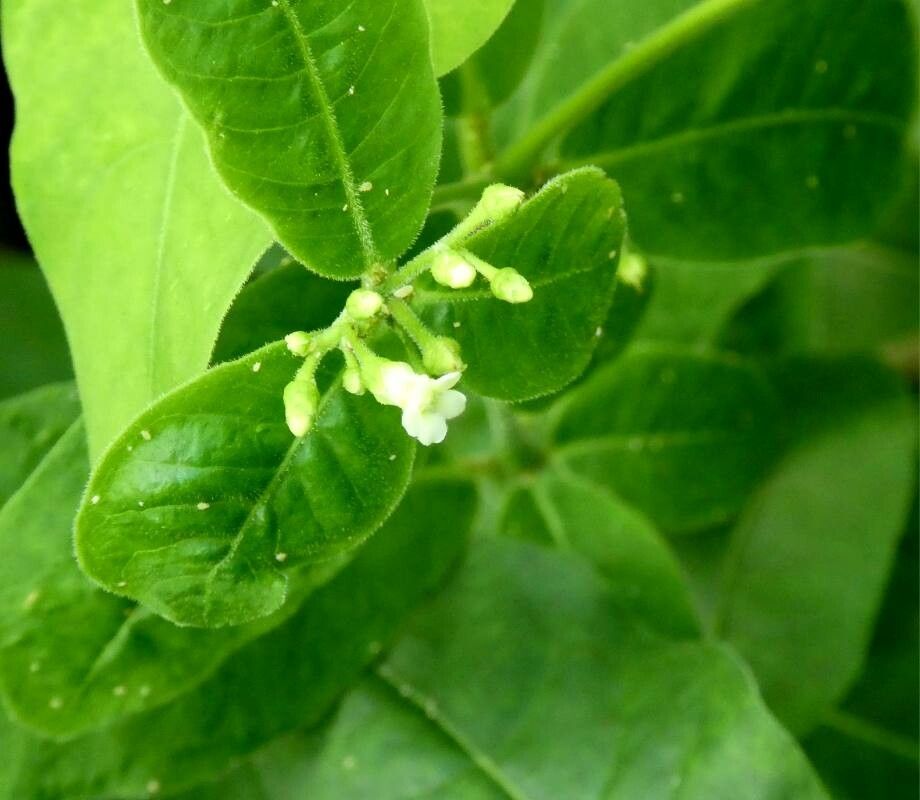
Unlocking the Secrets of Rauvolfia tetraphylla: A Guide to Propagation
Rauvolfia tetraphylla, also known as “Devil’s Pepper” or “Indian Snake Root”, is a fascinating plant with a rich history and potential medicinal properties. But beyond its medicinal uses, Rauvolfia tetraphylla also boasts beautiful, glossy leaves and clusters of pretty, star-shaped white flowers. If you’re looking to add this unique plant to your garden, you might be wondering about its propagation. Fear not! While it’s not the easiest plant to propagate, the process can be incredibly rewarding. Dive in and learn how to successfully grow new Rauvolfia plants from seed, cuttings, or even air layering.
From Seed to Sapling: Rauvolfia tetraphylla Propagation
1. Starting from Seed:
- Gather Seeds: Collect ripe, red fruits from mature Rauvolfia plants. Remove the seeds and clean them gently.
- Scarification: Rauvolfia seeds have a hard seed coat that needs to be scarified to allow water to penetrate and encourage germination. You can do this by gently nicking the seed coat with a sharp knife or using sandpaper.
- Sowing: Sow the seeds in a well-draining seed-starting mix. Keep the soil consistently moist, but not soggy, and place the container in a warm, bright location.
- Germination: Germination can take anywhere from a few weeks to several months. Be patient and keep the soil moist.
2. Trials and Triumphs: Stem Cuttings
- Timing is Key: Take stem cuttings in the spring or summer when new growth is actively developing. Choose healthy, semi-hardwood stems from the current season’s growth.
- Cuttings: Cut stems 4-6 inches long, making a clean cut just below a node (the point where a leaf or branch emerges). Remove the lower leaves and dip the cut end in rooting hormone for best results.
- Rooting Medium: Plant the cuttings in a well-draining rooting mix (such as a mix of perlite and vermiculite) and keep the environment humid by covering the pot with a plastic dome or bag.
- Patience is Virtue: Rooted cuttings can take 4-6 weeks to develop roots. Ensure your cuttings are in a bright, warm location, but avoid direct sunlight.
3. Air Layering: A Unique Approach
- Select a Branch: Choose a healthy, mature branch on your Rauvolfia plant.
- Make an Incision: Carefully remove a 1-inch strip of bark from the chosen branch. Apply rooting hormone to the exposed area.
- Wrap It Up: Cover the exposed area with damp sphagnum moss and seal it with plastic wrap or aluminum foil.
- Wait and See: Keep the moss moist and over time, roots will develop on the branch. Once the roots are established (usually after several months), you can carefully separate the rooted portion from the parent plant.
Keeping the Rauvolfia Happy: A Guide to Care
- Sunlight: Rauvolfia tetraphylla thrives in bright, indirect light.
- Watering: Keep the soil consistently moist, but allow the top inch to dry out between waterings.
- Soil: A well-draining potting mix is best, such as a mix of potting soil, perlite, and vermiculite.
- Fertilizer: Feed with a balanced fertilizer during the growing season.
Cautions and Considerations
While Rauvolfia tetraphylla is a captivating plant, it’s important to remember its potent nature. All parts of the plant contain alkaloids, which can be toxic if ingested. Always handle the plant with care and keep it out of reach of children and pets.
Embark on Your Rauvolfia Journey
From seed to stem cuttings, and the unique method of air layering, propagating Rauvolfia tetraphylla can be a rewarding experience. With a little patience and careful attention, you’ll be able to grow your own beautiful, potentially therapeutic Rauvolfia tetraphylla plant and enjoy its captivating beauty for years to come.