
Unleash the Power of the Palm: Propagation Secrets of the Ravenea Cycadifolia
The Ravenea cycadifolia, also known as the “Madagascar Palm,” is a stunning tropical beauty coveted for its graceful fronds and elegant, cycad-like appearance. But did you know that this stunning palm can also be propagated, allowing you to share its majesty with others or simply expand your own tropical oasis? Let’s explore the secrets to propagating the Ravenea cycadifolia, empowering you to grow your own mini-jungle paradise.
The Seeds of Success:
Propagation of the Ravenea cycadifolia is most commonly achieved through seeds. Here’s how to embark on this exciting journey:
1. Sourcing the Seeds:
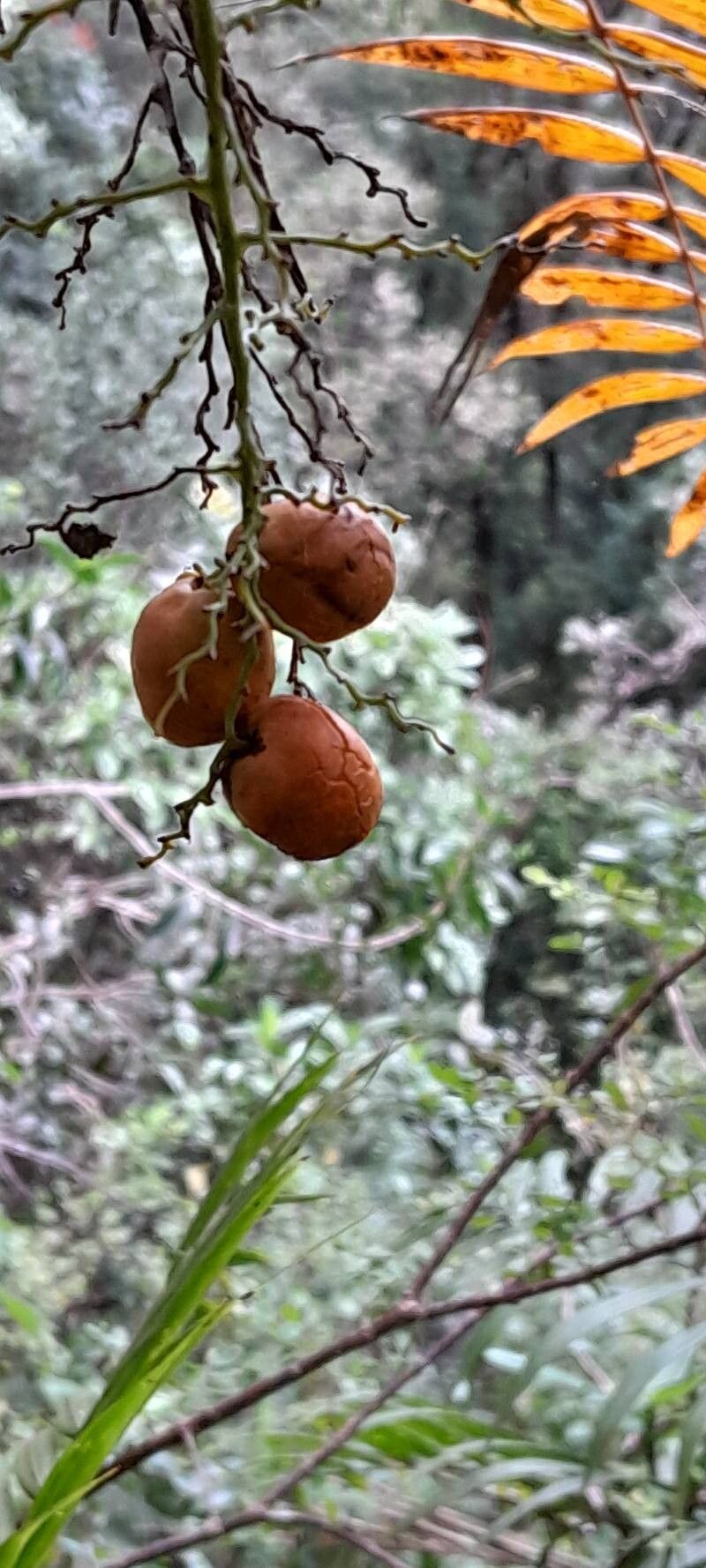
Start by obtaining fresh, viable seeds. You can purchase these online or, if you’re lucky enough to own a mature Ravenea cycadifolia, harvest them yourself once the fruits turn a rich reddish-brown and begin to soften.
2. Preparing the Seeds:
- Scarification: These seeds have a tough outer coat that inhibits germination. Scarification helps to crack this coat, allowing water and oxygen to penetrate. Use a sandpaper or a sharp blade to gently abrade the seed coat.
- Soaking: Soak the scarified seeds in warm water for 24 hours. This further softens the coat and encourages germination.
3. Sowing:
- Potting Mix: Use a well-draining potting mix, and select pots that are at least 6 inches deep.
- Depth and Spacing: Sow the seeds about 1/2 inch deep and space them 2-3 inches apart.
- Moisture: Water thoroughly after planting and maintain consistent moisture by misting or watering as needed. Avoid overwatering, as this can lead to root rot.
4. Patience and Patience:
- Sunlight and Temperature: Provide a warm spot with bright, indirect sunlight. Ideal temperatures for germination range from 75-85 degrees Fahrenheit.
- Time: The germination process can take weeks, sometimes even months, so be patient.
- Thinning: Once seedlings emerge, thin them out to give the strongest plants ample space to grow.
5. Transplanting:
- Time: Once the seedlings have developed a few true leaves and are about 4-6 inches tall, you can transplant them into larger pots.
- Potting Mix: Again, use a well-draining potting mix.
- Sunlight: Provide bright, indirect sunlight or partial shade.
Alternative Propagation Methods:
While seed propagation is the most common method, the Ravenea cycadifolia can also be propagated through cuttings, albeit with a significantly lower success rate.
A Few Tips for Success:
- Health Matters: Ensure the source plant is healthy and free from pests and diseases.
- *Sterilization: Always sterilize your tools and pots to prevent infections.
- Moisture and Humidity: Maintain consistent moisture and high humidity levels to support optimal root development, especially during the early stages of growth.
Beyond Propagation:
Once your Ravenea cycadifolia seedlings have established themselves, you can enjoy their unique beauty for years to come. Remember to provide consistent water, well-draining soil, and bright, indirect sunlight for optimal growth.
Propagating the Ravenea cycadifolia is a rewarding experience, allowing you to share the beauty of this exotic palm with others or simply expand your own collection. With a little patience and the right techniques, you can nurture these magnificent plants and cultivate a touch of the tropics right in your own home.