
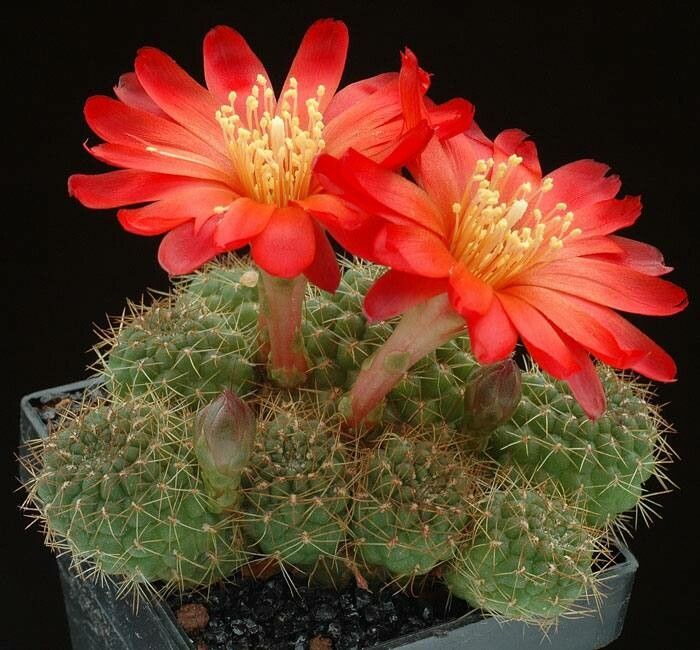
Tiny Cactus, Big Rewards: Propagating Your Rebutia padcayensis
The Rebutia padcayensis, with its vibrant bloom of magenta flowers and adorable, spiky body, is a true gem for any cactus enthusiast. But what happens when you want to share this beauty with others, or simply expand your own collection? That’s where propagation comes in! This little cactus offers two main ways to multiply your collection:
1. Seeds: A Journey from Tiny to Thriving
The Process: Sowing Rebutia padcayensis seeds is a rewarding journey from miniature to mature cactus. First, ensure you have a seed-starting mix that’s well-draining, like a combination of potting soil, perlite, and sand. Next, sow the seeds in a shallow tray or pot, ensuring they’re lightly covered but not buried. Lightly water and place in a warm, bright location, but out of direct sunlight. Keep the medium slightly moist, and you’ll start to see tiny seedlings emerge within a couple of weeks.
Benefits: The beauty of seed propagation is that you get to see the entire life cycle unfold. You’ll witness the delicate seedlings develop into robust cacti, showcasing the fascinating growth process. Plus, it allows for a larger number of plants to be produced from a single batch of seeds.
- Drawbacks: This method requires patience. Seedlings are delicate during their early stages and need careful care. Plus, they may not bloom for a few years.
2. Offsets: A Speedy Path to More Cacti
The Process: Rebutia padcayensis readily produce offsets – little cactus pups that grow at the base of the main plant. These offsets are essentially clones of the parent, ensuring you get the exact same beauty. Once the offsets are big enough to handle, gently detach them from the mother plant using a sharp, clean knife. Allow the cut surfaces to dry for a few days, then plant the offsets in a well-draining cactus mix.
Benefits: Offsets grow faster than seedlings, meaning you’ll have a new cactus ready to show off in less time. They also retain the parent plant’s characteristics, giving you a guaranteed, identical copy of your beloved Rebutia.
- Drawbacks: This method doesn’t offer the same novelty as growing from seed. Plus, you may not get as many plants compared to seed propagation.
Tips for Success:
- Light: Rebutia padcayensis thrive in bright, indirect light. Direct sunlight can scorch the skin.
- Water: Water sparingly, only when the soil is completely dry. Overwatering is the most common cause of cactus death.
- Soil: Use a well-draining cactus mix. You can buy pre-made mixes or create your own by combining potting soil, perlite, and sand.
- Temperature: Rebutia padcayensis prefer warm temperatures, but they can tolerate some cool weather. Avoid freezing temperatures.
- Fertilizer: Use a balanced cactus fertilizer diluted to half strength during the growing season (spring and summer).
Beyond the Basics:
- Potting: Choose a pot that’s just a bit larger than the root ball. Terracotta pots are a good choice for cactus, as they allow the soil to dry out quickly.
- Repotting: Repot your Rebutia padcayensis every few years or when the pot becomes too small. The best time to repot is in the spring or summer.
Propagation isn’t just about creating new plants; it’s about the joy of witnessing life’s cycle and making new additions to your collection. So, whether you choose the method of seeds or offsets, the journey of propagating your Rebutia padcayensis is sure to be both rewarding and fun!