
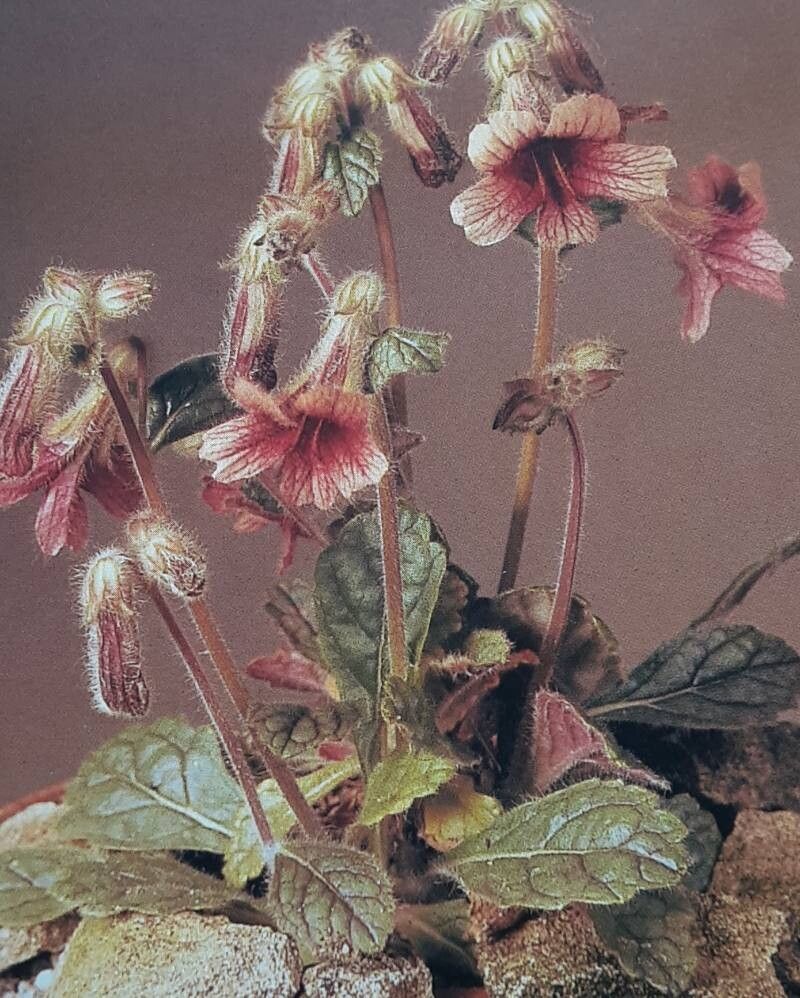
Unlocking the Secrets of Rehmannia Glutinosa Propagation: From Root to Remedy
Rehmannia glutinosa, also known as Chinese foxglove or simply rehmannia, is a fascinating plant with a long history of use in Traditional Chinese Medicine. While its medicinal properties are well-known, fewer people are aware of the satisfaction that comes from cultivating this intriguing plant yourself. Don’t let its exotic name intimidate you – propagating rehmannia is an achievable goal for gardeners of all levels. Let’s delve into the different methods you can employ to successfully grow more of this valuable herb.
1. Seed Starting: A Rewarding Challenge
Propagating rehmannia from seed offers a rewarding journey from tiny speck to flourishing plant. Here’s how:
- Timing is Key: Begin seed starting indoors approximately 6-8 weeks before your last expected frost.
- Creating the Ideal Environment: Choose a well-draining seed starting mix and sprinkle the seeds on the surface. Rehmannia seeds need light to germinate, so avoid burying them.
- Patience is a Virtue: Keep the soil consistently moist and maintain a temperature around 70-75°F (21-24°C). Germination can be slow, often taking 2-4 weeks or longer.
- Transplanting with Care: Once the seedlings develop a few sets of true leaves and all danger of frost has passed, gradually harden them off before transplanting outdoors.
2. Root Cuttings: The Gift that Keeps on Giving
Rehmannia’s most fascinating characteristic is its fleshy, tuberous roots. Did you know you can propagate new plants from these roots? Follow these steps:
- Division Done Right: In early spring or late fall, carefully dig up an established rehmannia plant.
- Make the Cut: Using a sharp, clean knife, divide the root into sections, making sure each section has at least one growth bud.
- Planting for Success: Plant the root sections horizontally in a well-drained potting mix, burying them about 2 inches deep.
- Witness the Growth: Water regularly and watch as new shoots emerge from the buried root sections.
3. Basal Cuttings: Encouraging New Beginnings
Basal cuttings involve taking cuttings from the base of the plant, where new shoots emerge. This method works best in late spring or early summer.
- Precise Cutting: Choose healthy, vigorous shoots growing from the base of the plant. Make a clean cut just below a leaf node.
- Hormone Boost: While not strictly necessary, dipping the cut end in rooting hormone can increase the success rate.
- Creating a Humid Haven: Plant the cuttings in a well-draining mix and enclose the pot in a plastic bag to create a humid environment.
- Transplanting Success: Once roots develop, usually within a few weeks, you can carefully transplant the rooted cuttings into individual pots or directly into the garden.
Key Considerations for Rehmannia Success:
- Well-Drained Soil is Crucial: Rehmannia thrives in loose, well-drained soil. Amend clay soil with compost or other organic matter to improve drainage.
- Sun or Shade? It’s Flexible: Rehmannia prefers partial shade but can tolerate full sun in cooler climates.
- Watering Wisely: Water regularly, especially during dry periods, but avoid overwatering which can lead to root rot.
By following these propagation techniques, you can enjoy the beauty and benefits of Rehmannia glutinosa in your own garden. Whether you choose to start from seed, root cuttings, or basal cuttings, the satisfaction of nurturing new life is a rewarding endeavor for any plant enthusiast.