
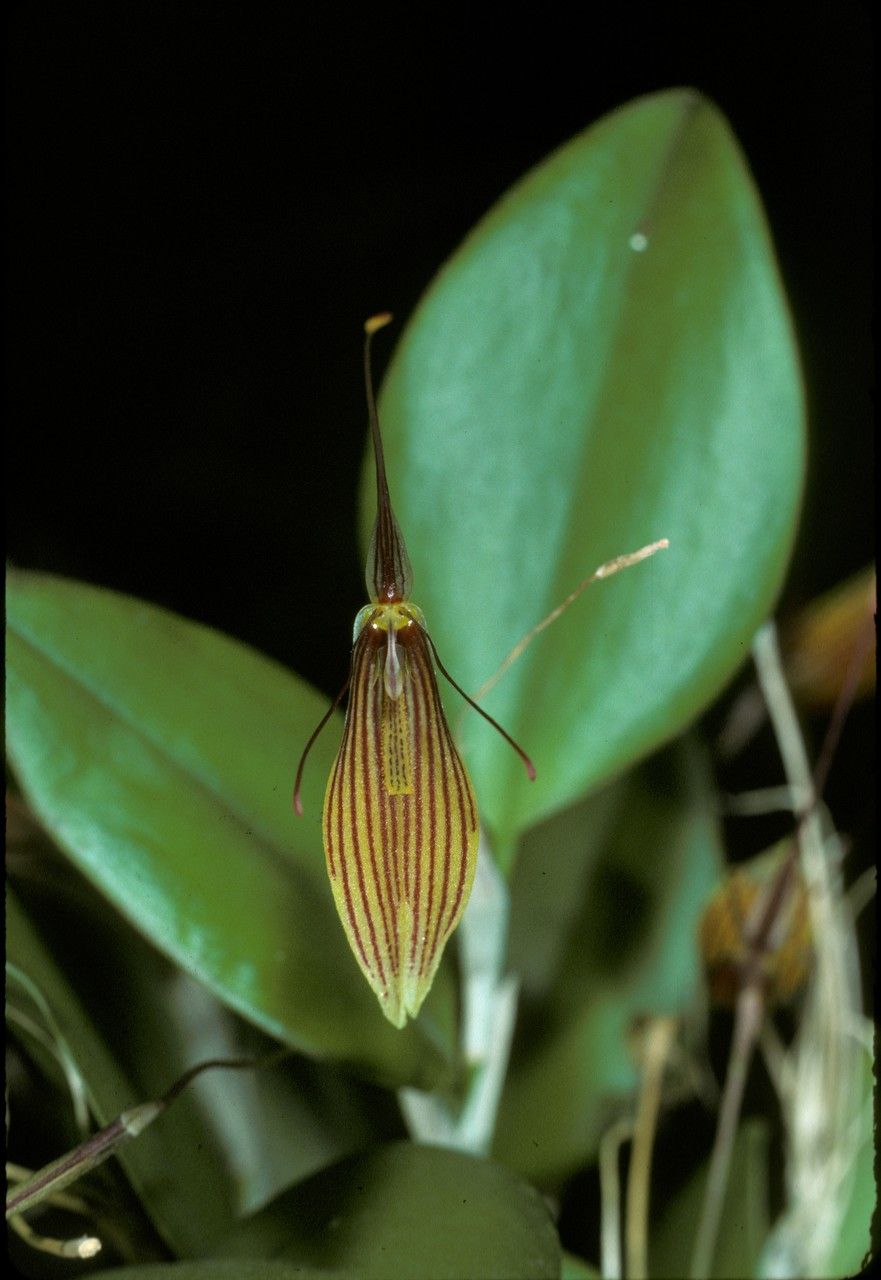
Unlocking the Secrets of Restrepia trichoglossa Propagation: A Guide to Multiplying Your Miniature Marvel
The Restrepia trichoglossa, a charming miniature orchid hailing from the cloud forests of the Andes, captivates with its intricate, striped blooms and compact growth habit. While readily available commercially, learning to propagate your own Restrepia trichoglossa is a rewarding endeavor for any orchid enthusiast. This guide delves into the techniques that unlock the secrets of multiplying this delightful species, allowing you to expand your collection and share its beauty.
Understanding Restrepia trichoglossa
Before we delve into propagation, it’s essential to be familiar with the plant’s natural growth habit. Restrepia trichoglossa is a sympodial orchid, meaning it grows laterally and produces multiple growths or “tufts” along a rhizome. Each tuft develops leaves and eventually produces flowers. Understanding this growth pattern is key to successfully propagating your plant.
Propagation Methods for Restrepia trichoglossa
There are two primary ways to propagate Restrepia trichoglossa:
1. Division: This is the most common and straightforward method.
- Timing: The ideal time for division is during spring or early summer when the plant is actively growing.
- Process:
- Carefully remove the plant from its pot.
- Using a sterilized cutting tool, divide the rhizome, ensuring each section has at least 2-3 healthy tufts with well-established roots.
- Plant the divisions into individual pots, using a well-draining orchid mix.
- Water sparingly until new growth appears.
2. Back Bulbs: While less common, back bulbs offer an alternative propagation method.
- What are Back Bulbs? Back bulbs are older, leafless growths found on the rhizome. Though seemingly dormant, they can produce new plantlets.
- Process:
- Remove any dead tissue from the back bulb using sterilized tools.
- Place the back bulb on top of damp sphagnum moss in a shallow container.
- Cover the container with plastic wrap to increase humidity.
- Place in a warm, well-lit location, avoiding direct sunlight.
- New growths should appear within a few weeks. Once they develop roots, you can pot them up individually.
Essential Tips for Successful Propagation
- Hygiene is Crucial: Sterilize all cutting tools with isopropyl alcohol before and after use to prevent the spread of diseases.
- Choose the Right Medium: Opt for a well-draining orchid mix specific to epiphytic orchids. A mix containing bark chips, perlite, and sphagnum moss is ideal.
- Provide Optimal Conditions: Restrepia trichoglossa enjoys cool to warm temperatures, high humidity (60-80%), and bright, indirect light.
- Patience is Key: Remember, propagation takes time. Don’t be discouraged if you don’t see results immediately.
By understanding the basic principles of Restrepia trichoglossa propagation and following these tips, you’ll be well on your way to multiplying your collection and enjoying the exquisite beauty of these miniature orchids for years to come.