
Unlocking the Secrets of Rhamnus fallax Propagation: A Guide for Budding Enthusiasts
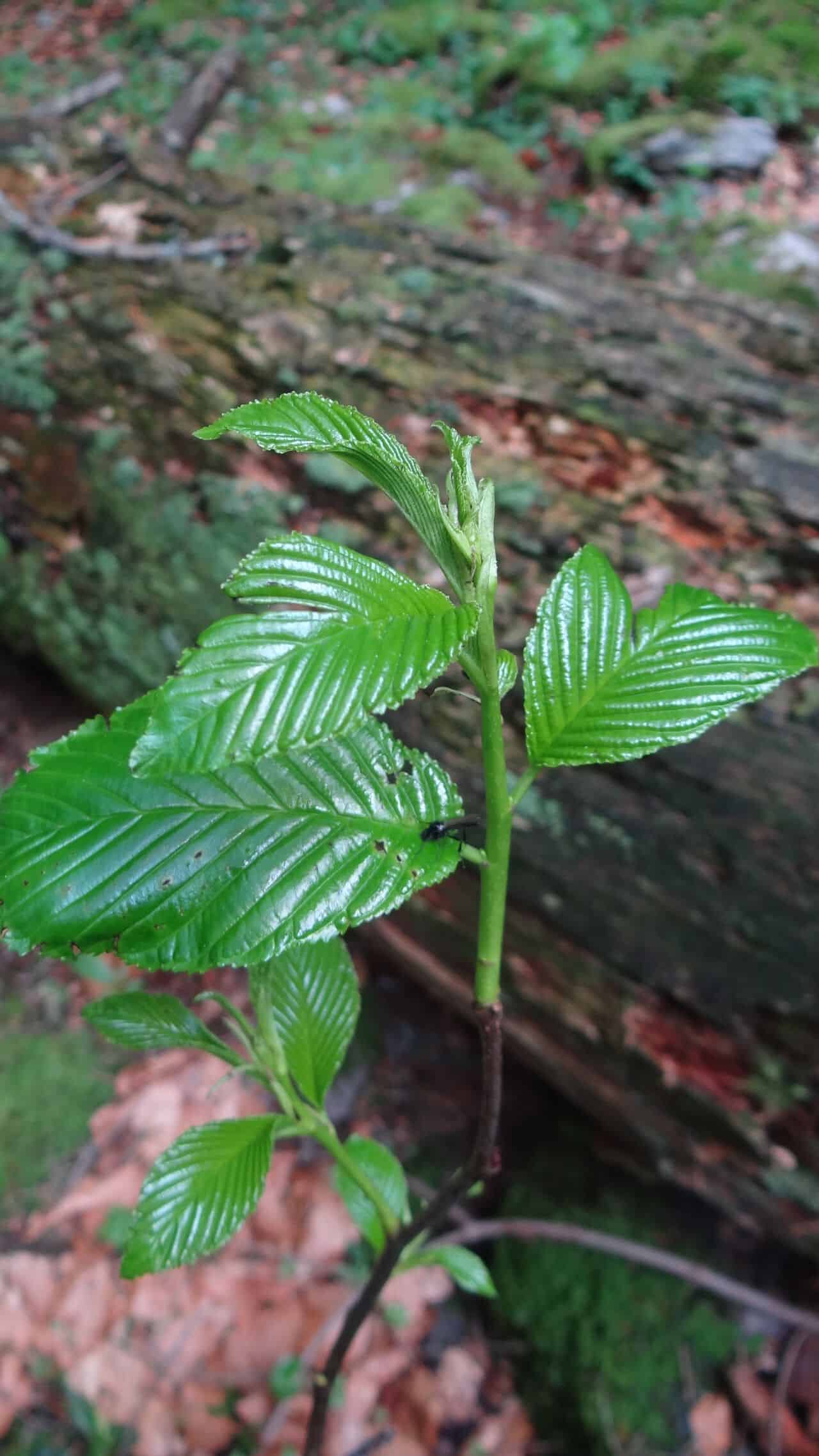
The Rhamnus fallax, also known as the buckthorn alder, might not be as flashy as a rose or as popular as a peace lily, but this hardy shrub brings a unique charm to any garden. Native to Europe and Western Asia, Rhamnus fallax boasts glossy green foliage, delicate spring flowers, and vibrant black berries, making it a valuable addition for those seeking year-round interest.
If you’re captivated by the allure of Rhamnus fallax and want to expand your collection, propagation is the way to go. This guide will delve into two effective methods to multiply your shrubs and fill your garden with their understated elegance.
Method 1: Seed Propagation – A Test of Patience
While slightly more time-consuming, growing Rhamnus fallax from seed can be incredibly rewarding. Here’s a step-by-step guide:
- Seed Collection and Preparation: Harvest ripe berries in late summer or early fall. Extract the seeds by crushing the berries and rinsing away the pulp. Pro Tip: Soaking the seeds in warm water for 24 hours before sowing can help soften the outer shell and improve germination rates.
- Cold Stratification: Rhamnus fallax seeds require a period of cold stratification to simulate natural winter conditions and break their dormancy. Mix the seeds with damp sand or vermiculite and store them in a sealed container in the refrigerator (around 4°C) for 2-3 months.
- Sowing: In spring, sow the stratified seeds in seed trays filled with a well-draining seed starting mix. Sow the seeds about 1 cm deep and keep the soil consistently moist but not waterlogged.
- Patience is Key: Germination can be slow and sporadic, ranging from a few weeks to a couple of months.
- Transplanting: Once the seedlings have developed a couple of sets of true leaves, transplant them into individual pots filled with a well-draining potting mix.
Method 2: Semi-Hardwood Cuttings – A Quicker Approach
For a faster and often more reliable method, consider propagating Rhamnus fallax from semi-hardwood cuttings:
- Timing is Everything: The ideal time to take cuttings is in late summer or early fall when the new growth has started to harden.
- Taking the Cutting: Select a healthy, non-flowering stem. Using clean, sharp pruning shears, cut a section of stem that is about 10-15cm long, making the cut just below a node. Remove the leaves from the lower half of the cutting.
- Hormone Boost (Optional): Dipping the cut end of the stem in rooting hormone can promote faster and more successful root development, although it’s not strictly necessary.
- Planting the Cutting: Plant the cuttings in pots filled with a well-draining, moist potting mix. Make sure at least two nodes are buried in the soil.
- Creating a Humid Environment: Cover the pot with a plastic bag or use a propagation dome to create a humid environment that prevents the cutting from drying out. Place the pot in a bright location out of direct sunlight.
- Root Development and Hardening Off: Keep the soil consistently moist. After about 4-6 weeks, gently tug on the cutting – resistance indicates successful rooting. Once rooted, gradually acclimate the cuttings to outdoor conditions before transplanting them to their permanent location.
Whether you choose the patience-testing route of seeds or the quicker reward of semi-hardwood cuttings, propagating Rhamnus fallax is a rewarding endeavor. With a little effort, you can enjoy an abundance of these understated beauties and their year-round charm in your own garden.