
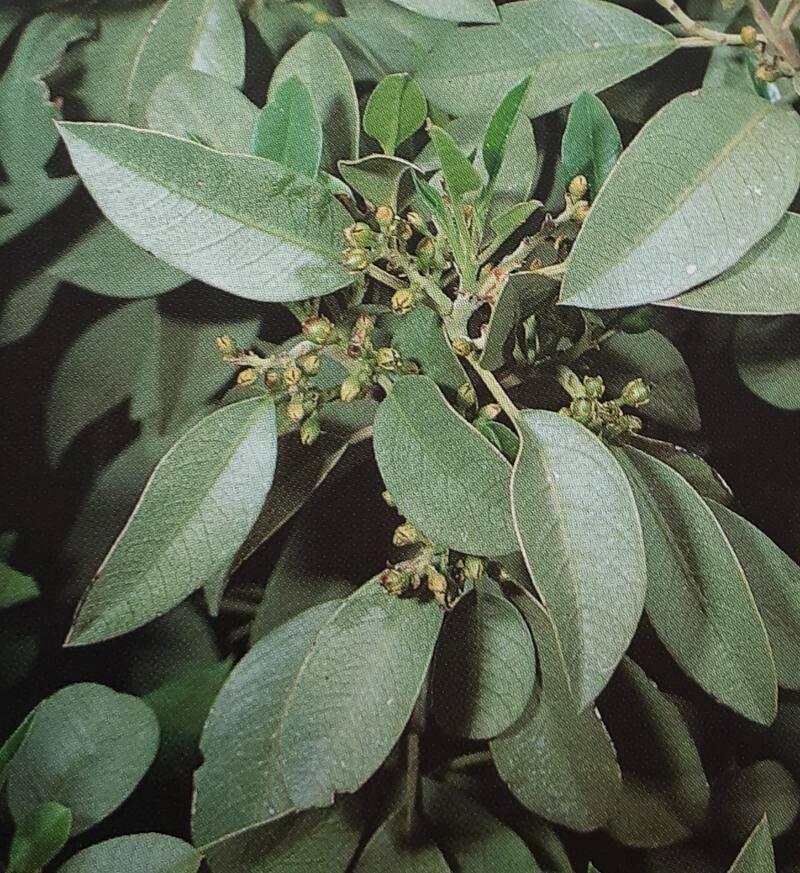
Unlocking the Secrets of Rhamnus integrifolia Propagation: A How-To Guide
The world of plants offers endless fascination, especially when you delve into the art of propagation. Rhamnus integrifolia, also known by the captivating name “entire-leaved buckthorn,” might not be as commonly known as roses or tomatoes, but this California native shrub boasts an understated beauty and plays a vital role in its ecosystem.
If you’re eager to introduce Rhamnus integrifolia to your garden or simply want to marvel at the magic of plant propagation, this guide is for you. We’ll explore two effective methods to multiply your Rhamnus integrifolia:
1. Seed Propagation: Embracing the Journey of Growth
While slightly more time-consuming, growing Rhamnus integrifolia from seed offers a fulfilling experience and a deeper connection with the plant’s life cycle.
Here’s what you’ll need:
- Rhamnus integrifolia seeds: These can be collected from mature plants in the fall. Look for small, black berries containing the seeds.
- Seed starting mix: Choose a well-draining mix suitable for shrubs.
- Small pots or seed trays: Ensure good drainage.
- Water: Use room temperature water for best results.
- Patience: Seed germination can take several weeks to months.
Steps:
- Clean and Scarify: After collecting the berries, extract the seeds and clean off any remaining pulp. To enhance germination, consider lightly scarifying the seeds. Rubbing them gently with sandpaper or a nail file can help break down the hard outer layer.
- Cold Stratification (optional): While not strictly necessary, cold stratification can improve germination rates. Place the cleaned seeds in a moist paper towel, seal them in a plastic bag, and store them in the refrigerator for 4-6 weeks.
- Sowing: Plant the seeds about ¼-inch deep in your seed starting mix. Water gently and maintain consistent moisture.
- Location: Place the pots or trays in a warm, bright location out of direct sunlight.
- Transplanting: Once the seedlings have developed a couple of sets of true leaves and are large enough to handle, transplant them into individual pots or your garden.
2. Cuttings: A Faster Route to Established Plants
Propagating Rhamnus integrifolia from cuttings offers a faster method than seeds, allowing you to replicate the characteristics of the parent plant.
What you’ll need:
- Sharp pruning shears: Clean and sterilize them before use to prevent the spread of diseases.
- Rooting hormone (optional): This can encourage faster and more successful rooting.
- Potting mix: Use a well-draining mix specifically designed for cuttings.
- Small pots: Choose pots with good drainage.
- Water: Use room temperature water.
Steps:
- Taking Cuttings: During the growing season (spring or early summer), take 4 to 6-inch cuttings from healthy, non-flowering branches. Make the cut just below a leaf node.
- Prepare the Cuttings: Remove the leaves from the bottom third of the cutting. If using rooting hormone, dip the cut end into the powder.
- Planting: Insert the cuttings into the prepared potting mix, ensuring at least one leaf node is buried.
- Watering: Water thoroughly and maintain consistent moisture.
- Location: Place the pots in a warm, bright location, out of direct sunlight.
- Transplanting: After about 6-8 weeks, gently tug on the cuttings to check for root development. Once rooted, transplant them into larger pots or your garden.
Rhamnus integrifolia: A Rewarding Addition to Your Green Space
Propagating Rhamnus integrifolia, whether from seed or cuttings, is a rewarding experience. This resilient shrub, with its glossy green leaves and subtle elegance, will bring a touch of the California landscape to your garden while providing valuable habitat for local wildlife. Embrace the joy of propagation and witness the incredible cycle of plant life unfold before your very eyes!