
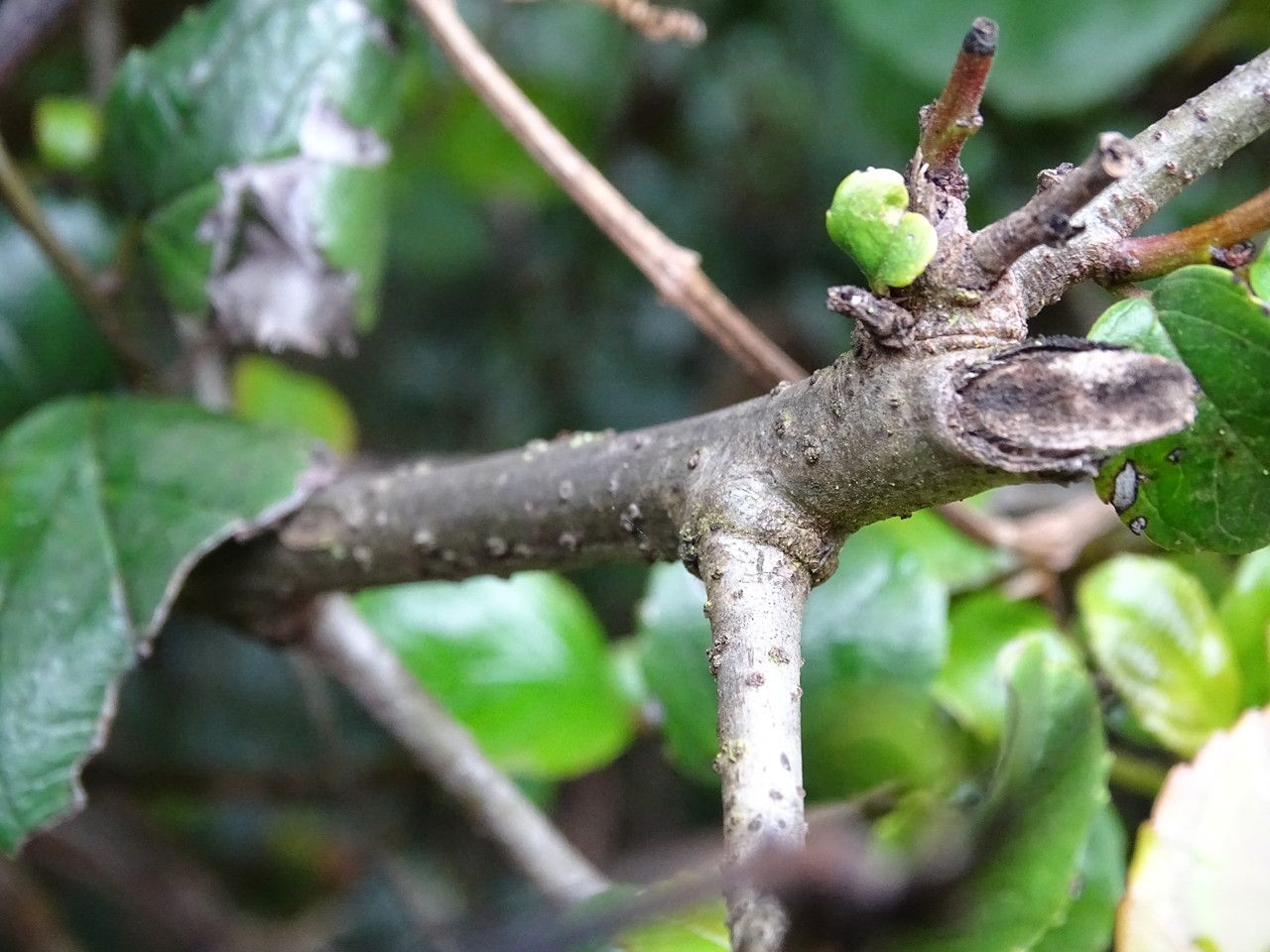
From Seeds to Success: Propagating the Lovely Rhamnus Prinoides
The Rhamnus prinoides, also known as the “Mountain Buckthorn,” is a charming, small-leaved shrub that can add a touch of elegance and resilience to your garden. But what if you want to share this beauty with friends, or simply expand your own collection? Enter the world of plant propagation!
While Rhamnus prinoides can be purchased, many gardeners find joy in taking their green thumb a step further by propagating their own plants. This method lets you create beautiful, healthy shrubs at a fraction of the cost, and offers a sense of personal accomplishment.
Two Paths to Propagation:
There are two main methods for propagating Rhamnus prinoides: using seeds and taking cuttings. Both approaches have their merits, and choosing the right method depends on your goals and resources.
1. The Seedling Journey: Patience and Power
This method requires patience, as seeds do not germinate quickly. Here’s a step-by-step guide:
- Collecting Seeds: In late summer or early fall, look for ripe, dark berries on your Rhamnus prinoides. Harvest these berries, remove the pulp, and rinse the seeds thoroughly.
- Stratification: This is the key! Rhamnus prinoides seeds need a period of cold stratification to break dormancy. Store the seeds in moist vermiculite or peat moss in a sealed container in the refrigerator for 3-4 months.
- Sowing: In spring, fill a seed tray with a well-draining seed starting mix and sow the seeds 1/4 inch deep. Keep the soil consistently moist and warm (around 70-75°F).
- Patience is Key: Germination may take several weeks or even months. Keep the seedlings in a bright, indirect location and thin them out if necessary.
2. The Cutting Method: Quicker and Easier (Usually)
For faster results, consider taking cuttings from mature Rhamnus prinoides plants. Here’s how:
- Timing is Crucial: The ideal time to take cuttings is in late spring or early summer when the plant is actively growing.
- The Cut: Select healthy, new growth from the current season. Using a sharp knife or pruners, take 4-6 inch cuttings, ensuring each cutting has at least 3 nodes (the raised bumps on the stem where leaves grow).
- Root Hormone: Apply a rooting hormone to the cut end of the cuttings to stimulate root development.
- Planting: Use a well-draining potting mix and insert the cuttings 1-2 inches deep. Place the cuttings in a propagator or cover them with a plastic dome or bag to maintain humidity.
- Patience Again: Keep the cuttings consistently moist and warm. They may take 6-8 weeks to develop roots.
Tips for Success:
Regardless of your chosen method, these tips can contribute to a higher success rate:
- Well-Drained Soil: Rhamnus prinoides prefers soil that drains well, so avoid using heavy clay or soil that retains too much moisture.
- Sunlight: Provide bright, indirect light for your seedlings or cuttings to encourage healthy growth.
- Humidity: Maintaining humidity is key for both methods. Use a propagator or create a humid environment by covering the container with a plastic dome or bag.
- Watering: Keep the soil consistently moist, but avoid overwatering, which can lead to root rot.
From Tiny Seed to Beautiful Shrub:
Whether you choose the patience-testing seed method or the faster-paced cutting method, propagating your own Rhamnus prinoides is a rewarding journey. By following these steps and providing the right care, you’ll be able to enjoy the beauty of this wonderful shrub for years to come, knowing you brought it into your garden with your own skilled hands.