
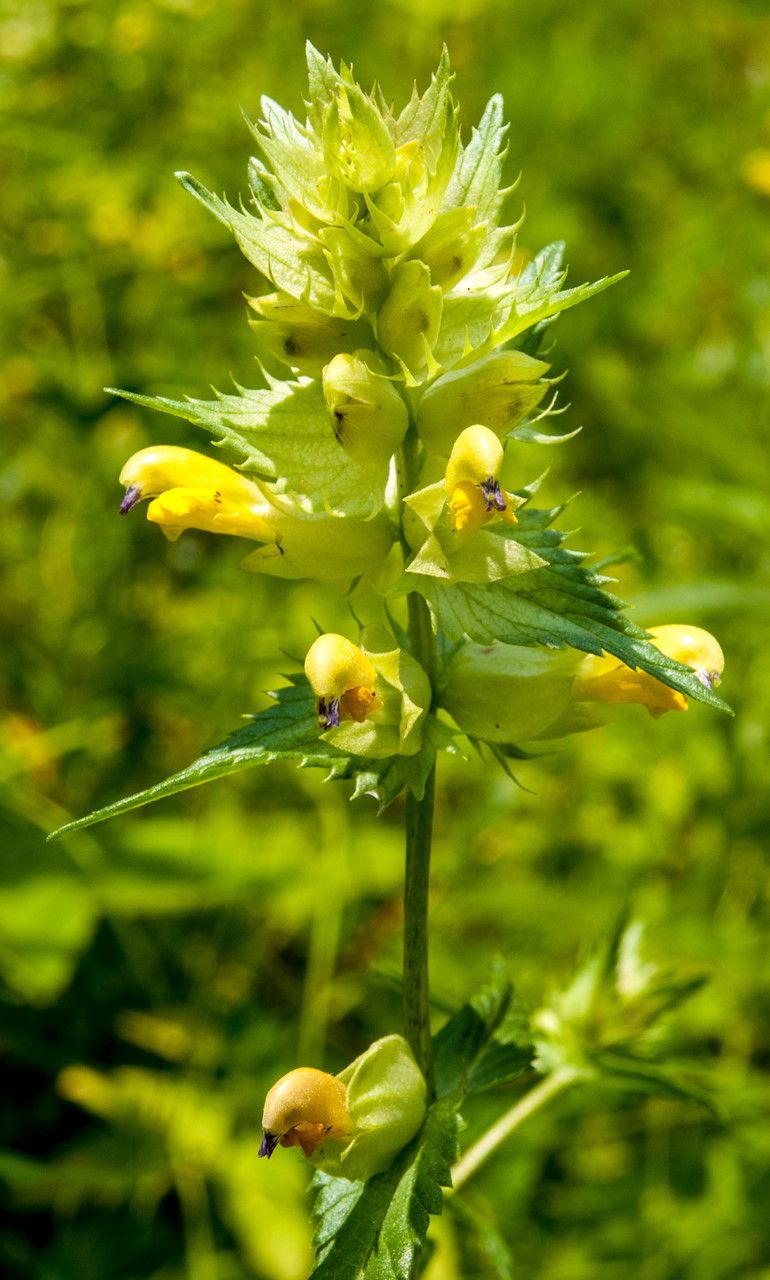
Unlocking the Secrets of the Yellow Rattle: A Guide to Propagating Rhinanthus Wagneri
The vibrant yellow blooms of Rhinanthus wagneri, commonly known as Yellow Rattle, are more than meets the eye. This fascinating wildflower, often found gracing meadows and grasslands, holds the key to boosting biodiversity and creating healthier ecosystems. But propagating this ecological hero can be tricky. This guide delves into the unique lifecycle of Rhinanthus wagneri and provides simple yet effective techniques for successful propagation.
Understanding the Yellow Rattle’s Lifestyle
Rhinanthus wagneri is a hemiparasitic annual plant. This means it photosynthesizes to produce its own food but also obtains nutrients by tapping into the roots of neighboring plants, particularly grasses. This parasitic relationship, while seemingly counterintuitive, helps control dominant grass species, allowing a wider variety of wildflowers to flourish. This, in turn, attracts a greater diversity of insects and pollinators, creating a thriving ecosystem.
Seeds of Success: The Key to Propagation
Propagating Rhinanthus wagneri primarily relies on its seeds. Here’s how to do it:
1. Seed Collection: Collect seeds once the seed pods turn brown and brittle, typically in late summer or early fall. Gently crush the pods to release the brown, flat seeds.
2. Cold Stratification: Mimicking Nature’s Touch
Yellow Rattle seeds require a period of cold stratification to break dormancy and germinate successfully. You can mimic this natural process through:
Direct Sowing: Sow seeds directly into the prepared soil in late fall. Winter’s chill will naturally stratify the seeds.
- Artificial Stratification: For indoor starting, place seeds between moist paper towels in a sealed bag and refrigerate for 4-6 weeks.
3. Site Preparation: Creating the Ideal Home
Rhinanthus wagneri thrives in well-drained soil with access to full sun or partial shade. Before sowing, consider the following:
Soil Type: While adaptable, Yellow Rattle prefers slightly acidic to neutral soil.
- Grass Competition: The presence of grasses is crucial for the hemiparasitic nature of Rhinanthus wagneri. Choose an area with existing grasses or sow grass seeds alongside.
4. Sowing the Seeds:
Direct Sowing: Sprinkle seeds on the soil surface and lightly rake them in.
- Post-Stratification (Indoor): Sow stratified seeds in seed trays filled with a well-draining seed starting mix, barely covering them with soil.
5. Care and Maintenance:
Watering: Water regularly, keeping the soil moist but not waterlogged.
- Thinning: If seedlings appear crowded, thin them out to provide adequate space for growth.
Patience: The Propagator’s Virtue
Germination can take several weeks, even after stratification. Be patient and continue providing optimal conditions. Once established, Yellow Rattle typically doesn’t require much maintenance, and the plants will self-seed, ensuring a continuous display of their cheerful blooms in the years to come.
Reaping the Rewards: A Flourishing Ecosystem
By successfully propagating Rhinanthus wagneri, you’re not simply growing a beautiful wildflower; you’re contributing to the biodiversity and health of your local ecosystem. The increased floral diversity attracts pollinators, supports beneficial insects, and promotes a more balanced and vibrant environment. So, embrace the challenge of propagating this ecological champion, and watch as your efforts transform your garden into a haven for nature’s wonders.