
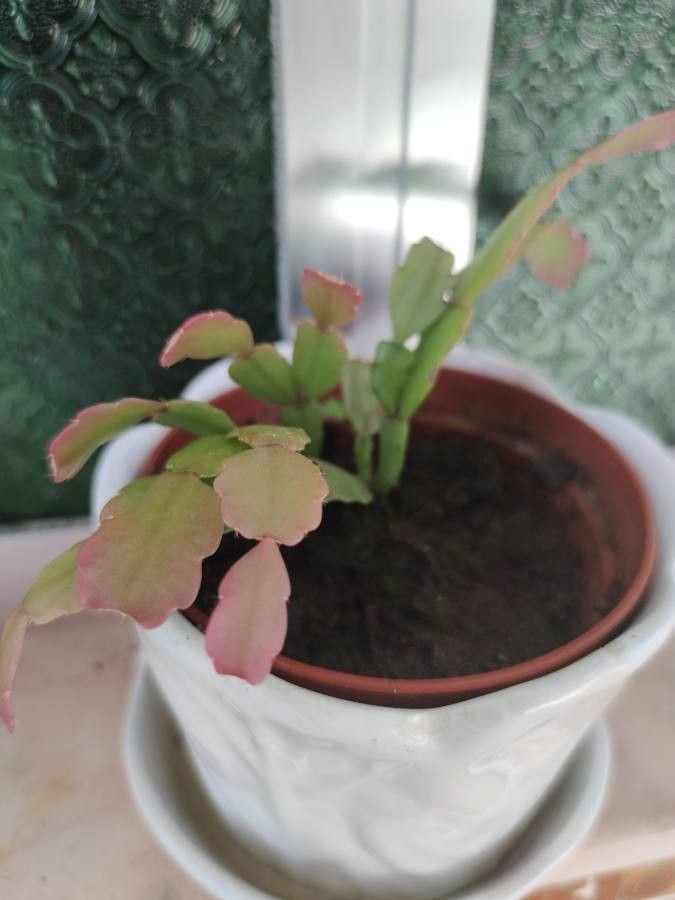
Propagating the Easter Cactus (Rhipsalidopsis gaertneri): A Gardener’s Guide
Introduction:
Rhipsalidopsis gaertneri, commonly known as the Easter Cactus, is a captivating epiphytic succulent prized for its vibrant, showy blooms that typically grace our homes around Easter. Its pendulous, segmented stems and delicate flowers, ranging from white to various shades of pink, red, and orange, make it a popular choice among indoor gardeners. While relatively easy to care for, propagating this beauty presents unique challenges and rewards. Its relatively slow growth compared to other succulents makes propagation a potentially lengthy process, but the satisfaction of nurturing a new plant from a cutting or, if successful, seed, is unparalleled. Unlike some succulents that readily grow from leaf cuttings, Rhipsalidopsis requires a different approach.
Seed Germination:
Currently, there are no known reliable methods for seed germination propagation of Rhipsalidopsis gaertneri. While seeds may theoretically be produced after pollination, successful germination rates remain extremely low, making this method impractical for the average home gardener. The tiny seeds require exceptionally specific conditions to germinate, and even then, success is far from guaranteed.
Cuttings:
This is the most commonly used and reliable method for propagating Rhipsalidopsis gaertneri.
Challenges: Cuttings can be slow to root, and if not properly cared for, are susceptible to rot. Selecting appropriate stem segments is crucial.
Practical Tips: Take 4-6 inch stem cuttings just below a segment joint in spring or early summer. Allow the cut end to callous over for a day or two before planting. Use a well-draining propagation mix, such as a blend of perlite and peat moss. Plant the cutting shallowly, ensuring only the bottom segment touches the mix. Keep the mix moist but not soggy. High humidity is beneficial during rooting, so covering the cutting with a clear plastic bag or dome can improve chances of success. Adequate, but not direct, light is important.
- Rewards: Cuttings are a relatively straightforward method providing a genetically identical plant to the parent. Success rates are significantly higher than seed germination.
Division:
This method is suitable only when the mother plant is mature and quite large, possessing several distinct stems and a reasonably developed root system.
Challenges: Disturbing the established root system can stress the plant, potentially leading to loss of the parent or the offshoots. Care must be taken to ensure each division has sufficient roots and stems for survival.
Practical Tips: Divide the plant carefully during the dormant period (late autumn or winter). Gently separate the stems, ensuring each division has a good portion of its own roots. Plant each division in its own pot using a well-draining potting mix suitable for cacti and succulents.
- Rewards: Division allows for rapid increase in plant numbers, especially beneficial for larger established plants.
Tissue Culture:
This is a highly specialized method requiring sterile laboratory conditions and expertise in plant tissue culture techniques.
Challenges: This method requires expensive equipment, specialized knowledge, and a controlled aseptic environment. It’s not a practical option for home gardeners.
Practical Tips: This method is handled in laboratories, not home settings. It involves culturing small pieces of plant tissue in a nutrient-rich medium under sterile conditions.
- Rewards: Tissue culture offers the potential for rapid large-scale propagation and disease-free plants; however, it’s not accessible to the average hobbyist.
Conclusion:
Propagating Rhipsalidopsis gaertneri presents unique challenges due to its relatively slow growth and specific requirements. While seed germination is not a feasible method for most enthusiasts, cuttings offer the most realistic and successful path to propagation for the home grower. Division provides a quicker way to propagate larger plants, but comes with the risk of damaging the parent plant. Tissue culture offers the best chances for large-scale production but is beyond the reach of the average gardener. The satisfaction of successfully coaxing a new Easter Cactus into life, whether from a cutting or through division, is a testament to patience and careful cultivation. Embrace the learning process, adapt your techniques as needed, and enjoy the beauty of your propagated plants!