
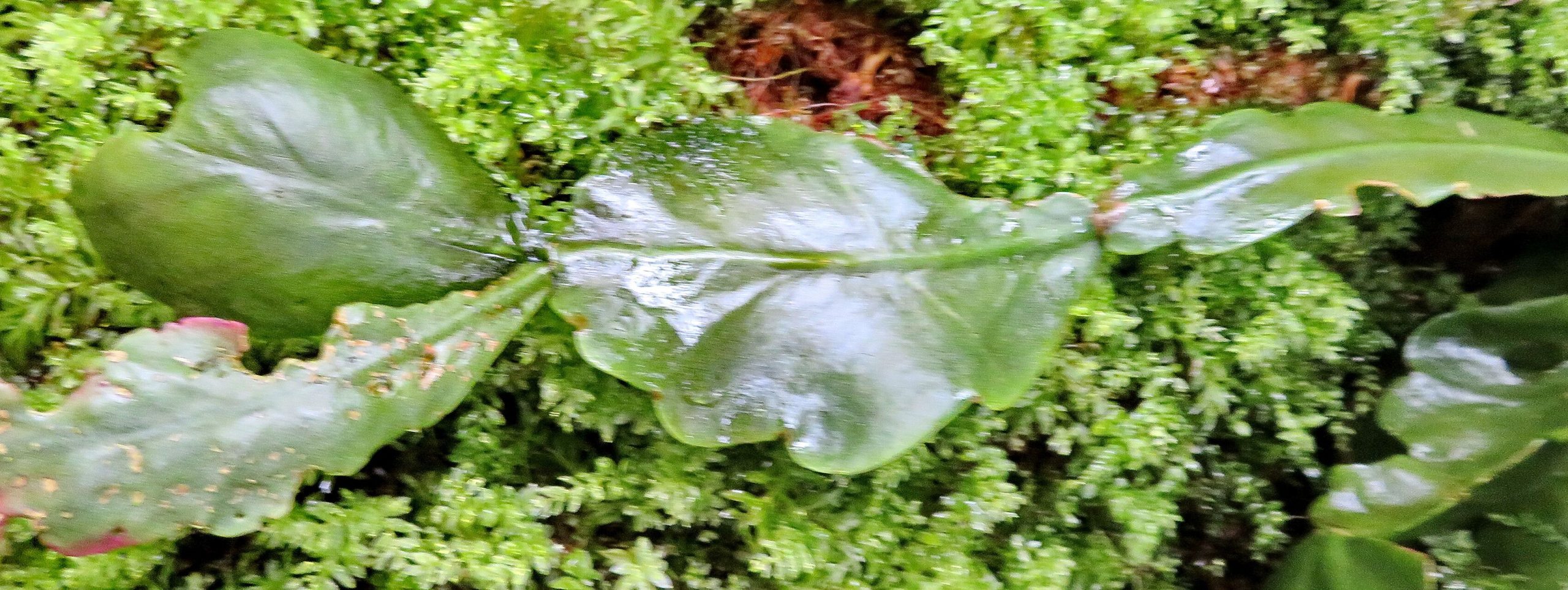
Propagating the Flat-Padded Rhipsalis: A Guide to Cultivating Rhipsalis pachyptera
Introduction:
Rhipsalis pachyptera, commonly known as the flat-padded Rhipsalis or simply the paddle cactus, is a captivating epiphytic cactus species native to Central and South America. Its most striking feature is its flat, paddle-shaped stems, which grow in cascading curtains, creating a visually stunning display. This unique appearance, coupled with its relatively easy care, has contributed to its rising popularity amongst indoor gardeners. While its delicate beauty might suggest fragility, Rhipsalis pachyptera is surprisingly resilient and amenable to propagation, though success may depend on the chosen method.
Seed Germination:
Currently, there are no known reliable methods for seed germination propagation of Rhipsalis pachyptera. While seeds may be produced, germination rates are exceptionally low and often unsuccessful even under ideal conditions. The challenges include the small seed size, the need for very specific environmental conditions including high humidity and temperature, and potential susceptibility to fungal diseases.
Cuttings:
Cuttings represent the most straightforward and reliable method for propagating Rhipsalis pachyptera.
1. Challenges: The main challenge is preventing rot before rooting occurs. Overwatering is the most common culprit.
2. Practical Tips: Use sharp, clean tools to take 4-6 inch stem cuttings. Allow the cut ends to callous over for a few days before planting. Plant cuttings in a well-draining cactus potting mix or a sphagnum moss/perlite mixture. Water sparingly, only when the potting mix is almost completely dry. High humidity (e.g., using a humidity dome or misting regularly) promotes rooting. Place cuttings in bright, indirect light.
3. Rewards: High success rate, relatively quick propagation (rooting can occur within a few weeks to a couple of months), allows for the easy creation of multiple plants from a single parent.
Division:
Division is another relatively simple propagation technique suitable for mature Rhipsalis pachyptera plants.
1. Challenges: Care must be taken to avoid damaging the root system during separation. Each separated section needs to have sufficient roots to support itself.
2. Practical Tips: Divide the plant carefully, separating it into sections with their own root systems. Plant each section into a well-draining potting mix, ensuring that the roots are gently spread out. Water sparingly immediately after repotting, allowing the plant to recover and establish itself.
3. Rewards: A quick method to increase the number of plants and potentially increase the plant’s overall size and fullness.
Tissue Culture:
Tissue culture is a technically demanding method requiring specialized equipment and sterile conditions.
1. Challenges: Requires significant expertise and specialized laboratory equipment. Contamination is a major risk.
2. Practical Tips: This method generally involves sterilizing plant tissue (e.g., stem segments) and growing them in a sterile nutrient medium under controlled conditions. Specialized knowledge on the appropriate culture medium composition and aseptic techniques is essential.
3. Rewards: Potential for large-scale and rapid propagation, disease-free plants. However, the setup and maintenance costs can be high, making it a practical method only for commercial or large-scale propagation.
Conclusion:
While seed germination is currently unproductive for Rhipsalis pachyptera, both cuttings and division offer readily accessible ways to successfully propagate this beautiful plant. Tissue culture, though potentially very effective, presents a high barrier to entry due to its specialized requirements. The challenges involved in propagation, particularly preventing rot, are a testaments to the need for careful observation and patient nurturing. However, the reward – witnessing a flourishing flat-padded Rhipsalis that you’ve successfully propagated – is immensely gratifying. For the aspiring propagator, patience, the right growing medium, and a gentle touch are key factors that contribute to success. Don’t be discouraged by initial setbacks; the unique satisfaction of cultivating Rhipsalis pachyptera is well worth the effort.