
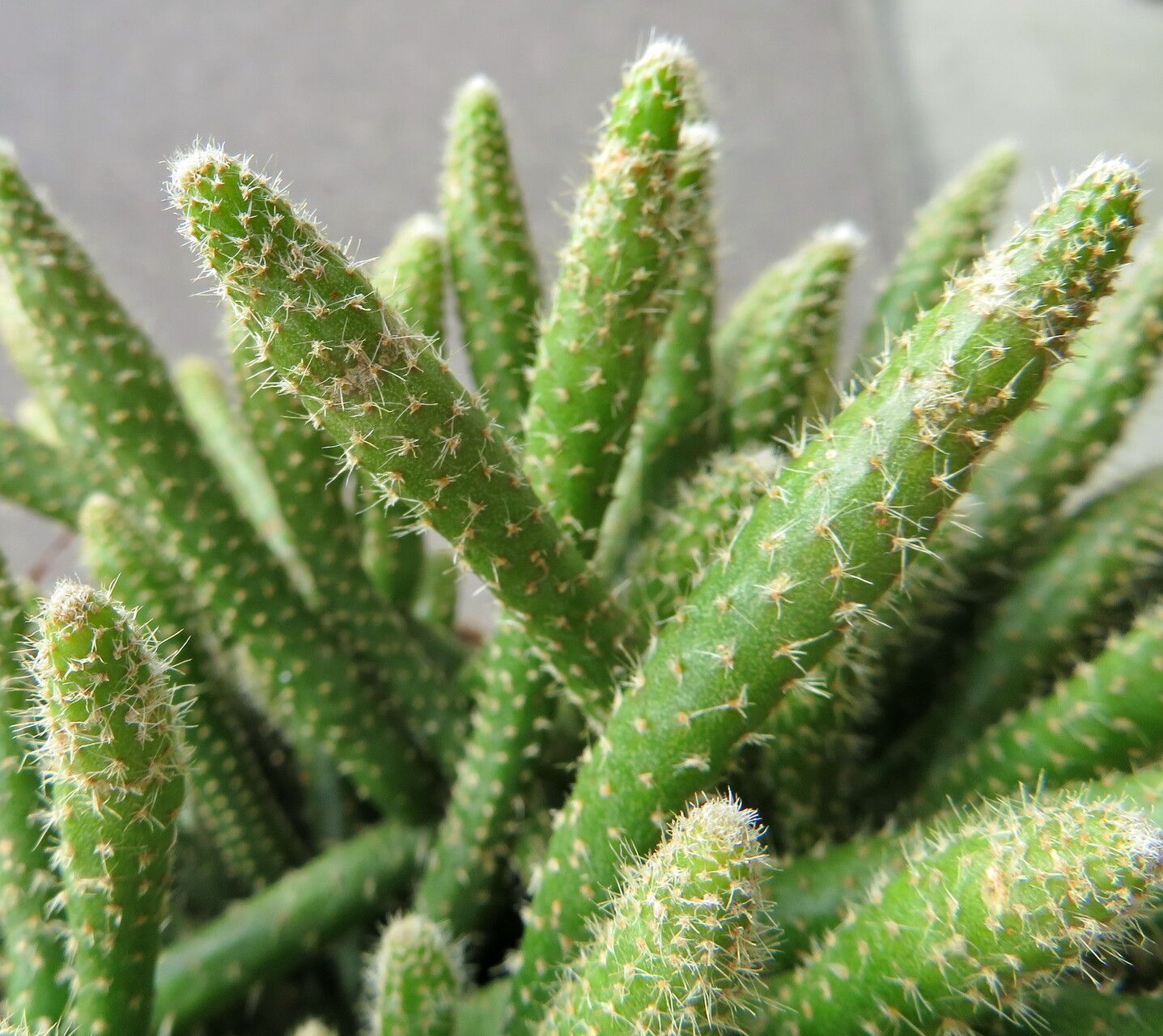
Whispering Wonders: Unlocking the Secrets of Rhipsalis pilocarpa Propagation
Rhipsalis pilocarpa, also charmingly known as the “Hairy-fruited Mistletoe Cactus,” is a captivating succulent with trailing stems and ethereal white blooms. Unlike its desert-dwelling cacti cousins, this epiphytic beauty hails from the rainforests of Brazil, where it thrives in humid, shady environments. If you’re lucky enough to have one of these beauties gracing your home, you might be wondering how to bring more of its cascading elegance to your space. Fear not, fellow plant enthusiasts! Propagating Rhipsalis pilocarpa is surprisingly simple, and today, we’ll unveil the secrets to success.
Two Paths to Propagation: Choosing Your Adventure
Propagating Rhipsalis pilocarpa offers two equally rewarding methods: stem cuttings and seeds. Let’s explore each approach in detail:
1. The Art of Stem Cuttings:
- Timing is Key: Spring and early summer are ideal, coinciding with the plant’s active growth phase.
- Selecting the Perfect Cuttings: Choose healthy, mature stems that are at least 3-4 inches long. Using clean, sharp scissors or pruning shears, take cuttings just below a node (the point where leaves or branches emerge).
- Callusing Time: Allow the cuttings to air dry for a few days, letting the cut ends form a callus. This helps prevent rotting when planted.
- Planting Your Cuttings: Fill a small pot with a well-draining potting mix specifically for cacti and succulents. Create a small indentation in the soil and gently nestle the callused end of the cutting into it. Water lightly.
Patience is a Virtue: Place your pot in a warm, bright location, but out of direct sunlight. Keep the soil lightly moist, but avoid overwatering. In a few weeks, you should start to see new growth, signaling successful rooting!
2. The Magic of Seeds
- From Flower to Fruit: Rhipsalis pilocarpa produces small, white berries following its bloom cycle. These berries hold the plant’s tiny seeds.
- Extracting the Treasure: Carefully extract the seeds from the ripe berries and allow them to dry completely.
- Sowing the Seeds: Fill a seed tray with a well-draining seed starting mix and sprinkle the seeds over the surface. Gently press them into the mix, but avoid burying them deeply.
- Creating a Humid Haven: Mist the soil with water and cover the tray with a clear plastic lid or wrap to create a humid environment.
- Warmth and Light: Place the tray in a bright location, out of direct sunlight, maintaining a temperature of around 70-75°F (21-24°C).
- Germination Delight: Be patient! Seed germination can take anywhere from a few weeks to a couple of months. Once the seedlings are large enough to handle, transplant them into individual pots.
Nurturing Your New Rhipsalis Family:
- Light: Rhipsalis pilocarpa thrives in bright, indirect light. Avoid direct sunlight, as it can scorch their sensitive leaves.
- Water: Allow the soil to dry out slightly between waterings. Overwatering can lead to root rot. During the winter months, reduce watering frequency.
- Humidity: As a rainforest dweller, this plant appreciates some humidity. Consider misting it regularly or placing its pot on a tray filled with pebbles and water.
- Fertilizing: During the growing season (spring and summer), feed your Rhipsalis pilocarpa with a balanced, diluted liquid fertilizer once a month.
Propagating Rhipsalis pilocarpa is a rewarding journey that allows you to witness the miracle of plant life unfolding before your eyes. With a bit of patience and care, you’ll soon have a flourishing family of these enchanting succulents to adorn your home. So, are you ready to embrace the magic of propagation and share the joy of these whispering wonders with fellow plant lovers?